How Do You Choose an Electric Meat Slicer? Worth Knowing
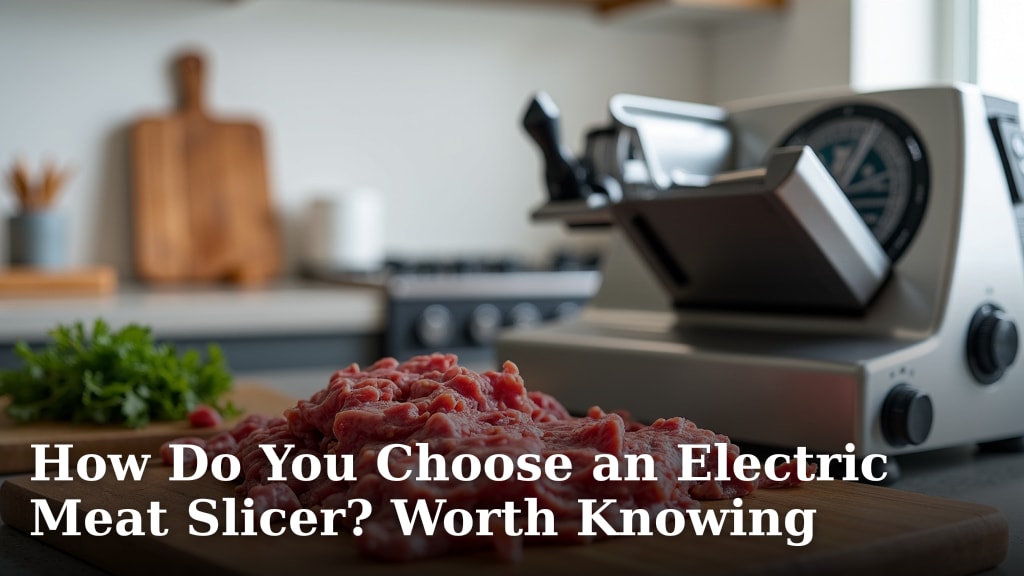
Choosing an electric meat slicer depends on your needs and budget. Consider blade size, motor power, and how easily it cleans. A good slicer should make deli-style slicing at home simple and safe. We found that balancing these features leads to the best kitchen companion.
Many home cooks wonder if a meat slicer is worth the counter space. Our research shows they can be. They let you buy larger cuts of meat and slice them thin for sandwiches, charcuterie, or jerky. Plus, you get to control the thickness precisely. You’ll find it’s a convenient addition to your kitchen.
- Blade size matters for different meats.
- Motor power affects slicing ease.
- Cleaning ease is a major factor.
- Consider your budget for the best fit.
Below, we’ll walk you through the key things to look for when selecting your perfect electric meat slicer.
Picking Your Perfect Electric Meat Slicer
Choosing the right electric meat slicer feels like a big decision. You want one that works well for your needs. We found that thinking about a few key features makes it much easier. Let’s break down what matters most. You might also want to understand what a manual meat slicer is.
Blade Size: The Heart of the Slicer
The blade is arguably the most important part of your slicer. It determines what you can slice and how easily. Blade size directly affects performance. You’ll see a range of diameters when shopping.
What Blade Diameter Means for You
Blade diameter is measured in inches. Common sizes for home use range from about 6 to 10 inches. Larger blades can handle bigger cuts of meat. They also slice through tough items more smoothly. Think about the size of roasts or blocks of cheese you plan to slice. A larger blade will handle these better.
For everyday sandwich meats or smaller items, a 6- to 7-inch blade might be enough. If you plan to slice larger items, like a whole brisket for jerky or a large ham, aim for an 8-inch or larger blade. We found that blade material also plays a role. Stainless steel is the standard for good reason. It’s durable and resists rust.
Serrated vs. Smooth Blades
Most electric meat slicers come with a serrated blade. These blades have tiny teeth along the edge. Serrated blades are excellent for slicing through meats that are firm but not frozen. They grip the food and pull it through the blade. This helps prevent tearing and gives you cleaner cuts on items like cooked roasts or deli ham.
Some slicers offer a smooth blade as an option or replacement. Smooth blades are better for softer items. Think about slicing tomatoes, soft cheeses, or even cake. For general meat slicing, a good serrated blade is usually your best bet. We found many users are happy with a single, high-quality serrated blade.
Motor Power: How Much Muscle Do You Need?
Motor power tells you how strong the slicer’s engine is. It’s often measured in watts. More watts generally mean more power to slice through denser foods. This is where you want to avoid being undersold. You might also want to understand what a gravity feed meat slicer is.
Watts and What They Can Do
For typical home use, a motor between 100 and 200 watts is often sufficient. This power range can handle most meats, cheeses, and vegetables you’d want to slice. If you plan on slicing very tough or frozen meats regularly, you might consider a slicer with a motor above 200 watts.
However, we found that just looking at wattage isn’t the whole story. The gear system and blade quality also contribute to how well the slicer performs. A slicer with a less powerful motor but a well-designed gear drive might outperform a higher-wattage slicer with a weaker build. Look for slicers that feel robust and don’t strain when cutting.
Ease of Cleaning: A Big Deal for Your Kitchen
Let’s be honest, cleaning is not the fun part. But with a meat slicer, it’s super important. Food particles can get stuck. You need a slicer that’s easy to take apart and clean properly. This is vital for hygiene and keeping your slicer in good shape.
Design Features for Easy Cleanup
Look for slicers with removable blades. This is non-negotiable for thorough cleaning. Many models also have removable food trays or carriages. These make it easier to wipe down the surfaces where food touches. Some slicers have a smooth, integrated design with fewer nooks and crannies for food to hide in.
We found that slicers with a tilting base or a design that allows easy access to the blade area are much simpler to clean. Some even come with a brush. Think about how much time you’re willing to spend cleaning after each use. A slicer that disassembles easily will save you a lot of hassle.
Safety First: Protecting Your Fingers
Electric meat slicers have very sharp blades. Safety features are essential to prevent accidents. You need to feel confident using the machine.
Key Safety Considerations
Look for a stable base. A slicer that wobbles is more likely to slip. Suction cup feet are a great feature that helps keep the slicer in place. Many slicers have a food pusher or guard. This is a handle that holds your food in place and protects your hand from the blade. Always use this when slicing.
Some models also include a blade guard that covers the blade when not in use. An on/off switch that’s easy to access, and a sturdy power cord are also good safety indicators. We found that users appreciate slicers with clear operating instructions and safety warnings.
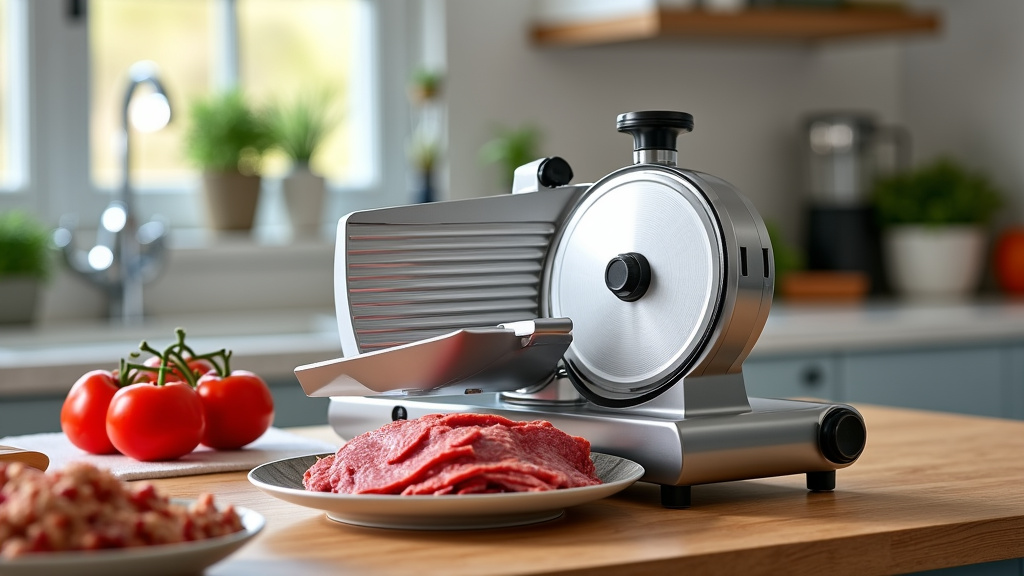
Build Quality and Materials
The materials used to build your slicer affect its durability and how well it performs over time. You want a slicer that feels solid and well-made.
What to Look For
Many good home slicers feature a combination of stainless steel and durable plastic. The cutting surface and blade should ideally be stainless steel. The housing can be a sturdy plastic or metal. Metal housing often indicates a more robust build. We found that reviewing user feedback on longevity can be very helpful here.
Budget: Finding the Right Price Point
Electric meat slicers can range from under $100 to several hundred dollars. Your budget will guide your choices, but remember that you often get what you pay for.
Balancing Cost and Features
For casual home use, you can find capable slicers in the $100-$200 range. These will likely have smaller blades and less powerful motors but will perform well for slicing sandwiches or appetizers. If you plan to slice large quantities or tougher items frequently, investing in a model closer to $200-$300 might be wise. These often have larger blades, stronger motors, and better build quality.
We found that it’s worth saving up a little extra for a slicer that will last longer and perform better. A cheap slicer that breaks quickly or doesn’t slice well will just be a frustration. Think of it as an investment in your kitchen.
Your Meat Slicer Checklist: Key Features to Remember
Here’s a quick rundown of what to keep in mind when you’re ready to buy:
- Blade size appropriate for your typical slicing needs (at least 7-8 inches for versatility).
- Motor power sufficient for the foods you plan to slice (150 watts is a good starting point).
- Easy-to-clean design with removable blades and parts.
- Solid construction with a stable base and safety features like a food pusher.
- Good user reviews regarding durability and performance.
- A price that fits your budget but doesn’t compromise on essential features.
Conclusion
You’ve learned the essential factors for picking the right electric meat slicer. Focus on blade size for versatility, motor power for ease of slicing, and ease of cleaning for hygiene. Don’t forget safety features for your protection. By balancing these elements with your budget, you’ll find a slicer that becomes a trusted kitchen helper. Ready to slice like a pro? Start by measuring your counter space and listing the foods you slice most often.
Frequently Asked Questions
What is the best blade size for a home meat slicer?
For general home use, we found that a blade size between 7 and 8 inches offers the best balance. This size is versatile enough for most tasks, from sandwich meats to smaller roasts. If you frequently slice very large cuts, consider a 10-inch blade.
How much motor power do I really need for a meat slicer?
For typical home use, a motor between 100 and 200 watts is generally sufficient. This range can handle most meats and cheeses without strain. If you plan on slicing very dense or partially frozen items often, look for a model with more power, around 200 watts or higher.
Is a serrated or smooth blade better for a meat slicer?
We found that a high-quality serrated blade is best for most meat slicing tasks. Its teeth grip the food, providing cleaner cuts on cooked meats and firm items. A smooth blade is better suited for softer foods like tomatoes or soft cheeses, which most home slicers don’t focus on.
What are the most important safety features on a meat slicer?
Your safety is key. Look for a stable base with suction cup feet to prevent slipping. A reliable food pusher or guard is essential to keep your hand away from the sharp blade. Also, ensure the on/off switch is easy to reach and use.
How often should I deep clean my meat slicer?
After each use, you should wipe down the food contact surfaces and the blade. For a thorough cleaning, we recommend disassembling the removable parts (like the blade and food carriage) at least once a week if you use it regularly. This prevents food buildup and ensures hygiene.