Is a Bigger Blade Always Better for Slicing? What to Know
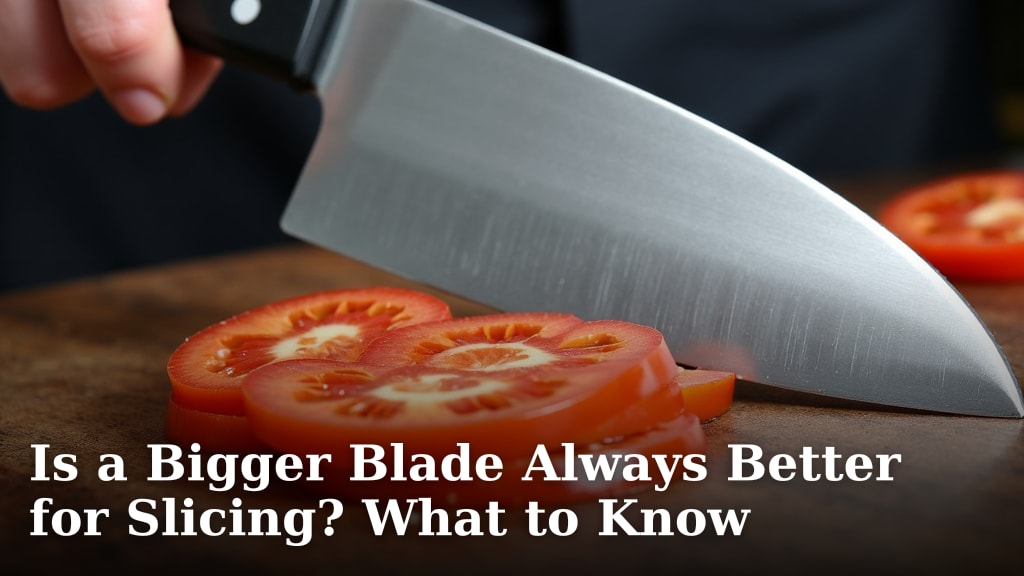
When you’re slicing, is a bigger blade always better? No, a bigger blade isn’t always better for slicing. While a larger blade can offer more power and reach, it also requires more control. For many everyday tasks, a smaller, more manageable blade is often the best choice.
The ideal blade size really depends on what you’re cutting. A chef’s knife is versatile, but a paring knife is perfect for small, delicate jobs. Understanding the purpose of the cut helps you choose the right tool. We found that matching the blade to the task ensures safer and more efficient results.
- Bigger blades offer more power but less control.
- Smaller blades are best for precise, delicate tasks.
- The type of food dictates the best blade size.
- Matching blade size to your task makes slicing easier.
Let’s look at what makes a blade size right for the job, and when bigger really isn’t better.
Choosing the Right Blade Size for Your Cutting Needs
When it comes to knives, is bigger always the best choice for slicing? We found that the answer is a resounding no. While a larger blade might seem more impressive, it’s not always the most practical or effective tool. The ideal blade size really depends on the specific task you have in mind and the type of food you’re preparing. We’ve observed that understanding the relationship between blade size and function can make your kitchen work much easier and safer.
Think of it like using tools for other jobs. You wouldn’t use a sledgehammer to hang a picture frame, would you? Similarly, a massive chef’s knife might be overkill for hulling a strawberry. We’ve seen that selecting the right knife for the job leads to cleaner cuts and less wasted effort. Let’s break down why blade size matters and what factors you should consider.
The Physics of Slicing: Size vs. Control
Larger blades often come with a few key advantages. They can offer more leverage, which can be helpful when cutting through denser or tougher foods. A longer blade also means you can potentially make a full slice in one go, reducing the sawing motion needed. This can result in a cleaner cut, especially on items like large roasts or loaves of bread.
However, this increased size and power come with a trade-off: control. A longer, heavier blade can be harder to maneuver precisely. We’ve found that for delicate tasks, like mincing herbs or peeling a small apple, a large blade can be clumsy and even dangerous. You might find yourself overshooting your mark or struggling to make fine adjustments. It requires more wrist and arm strength to manage effectively.
Small Blades: The Masters of Precision
On the other end of the spectrum, smaller blades excel at tasks requiring precision and dexterity. Think about the jobs you do in the kitchen that demand fine detail. Paring knives, for instance, are specifically designed for these types of operations. Their short blades make them incredibly agile.
We’ve seen that a small blade is perfect for tasks like:
- Peeling fruits and vegetables: You can easily control the depth of the cut to avoid removing too much of the edible part.
- Trimming and deveining shrimp: The small size allows you to get into tight spots.
- Hulling strawberries or coring tomatoes: Precision is key here, and a small blade delivers.
- Making decorative garnishes: Intricate shapes are much easier to achieve with a nimble knife.
The control offered by a smaller blade means you’re less likely to slip or make accidental cuts. This is especially important when working with ingredients that are slippery or have irregular shapes. Many home cooks find that a good paring knife is one of their most frequently used tools, proving that small can indeed be mighty.
Medium Blades: The Versatile Workhorses
Between the extremes of tiny paring knives and massive cleavers, you’ll find a range of medium-sized blades that offer a great balance of power and control. The most common example is the chef’s knife, typically ranging from 6 to 10 inches in length.
A chef’s knife is often hailed as the most versatile knife in the kitchen for good reason. We’ve found that its size allows for efficient chopping of vegetables, slicing of meats, and general dicing tasks. You can achieve a good rocking motion for mincing, and its weight helps it glide through ingredients without excessive force.
However, even with a chef’s knife, the specific length can matter. A 6-inch chef’s knife might feel more manageable for someone with smaller hands or for preparing smaller quantities of food. An 8-inch chef’s knife is a popular choice for many, offering a bit more reach. A 10-inch version provides even more capacity, but it can feel unwieldy for some users, especially those new to cooking.
| Knife Type (Typical Blade Length) | Best For | Why Size Matters |
|---|---|---|
| Paring Knife (2.5-4 inches) | Detail work, peeling, trimming, coring | Offers maximum control and precision for small, delicate items. |
| Utility Knife (4-6 inches) | Slicing smaller fruits/vegetables, portioning cheese | A step up from paring knives, good for tasks that need a bit more reach but still require accuracy. |
| Chef’s Knife (6-10 inches) | Chopping, slicing, dicing, mincing most ingredients | Provides a balance of power and control for everyday prep work. Longer blades offer more efficiency for larger tasks. |
| Bread Knife (8-10 inches) | Slicing bread and tomatoes | The serrated edge works with the length to saw through crusty exteriors without crushing the soft interior. |
| Slicing Knife (10-15 inches) | Carving roasts, slicing cooked meats | Long, narrow blades allow for clean, thin slices with minimal drag. |
Considering the Food You’re Cutting
The type of food you’re working with is a major factor in determining the right blade size. For instance, slicing a watermelon requires a different approach than dicing an onion.
Tough and Large Items
When you need to cut through something dense or large, like a pumpkin, a large squash, or a big roast, a longer and sturdier blade can be beneficial. We’ve found that a longer chef’s knife or even a cleaver can make these tasks much more manageable. The extra length helps you get through the food with fewer strokes, reducing the risk of the blade slipping.
However, even with tough items, safety is key. If a large knife feels too heavy or awkward for you, it’s better to use a smaller knife and employ a careful sawing motion. It might take a little longer, but safety should always come first. Many sources, like the Cleveland Clinic, emphasize proper knife skills to prevent injuries, regardless of blade size.
Delicate and Small Items
For smaller fruits, vegetables, or proteins, a smaller blade is almost always the better choice. Think about peeling a kiwi or slicing a bunch of grapes. A large knife would be incredibly clumsy and could easily lead to uneven cuts or accidents.
We’ve seen that a sharp paring knife is perfect for these delicate jobs. Its compact size allows you to get close to the food, giving you excellent control over every movement. This precision is essential for producing neat results and minimizing waste.
Your Personal Comfort and Grip
Beyond the food itself, your personal comfort and how you hold the knife play a huge role. What works perfectly for one person might feel awkward for another.
We’ve found that a knife’s weight and balance are just as important as its blade length. A long blade that feels well-balanced might be perfectly manageable. Conversely, a shorter blade that feels too heavy or has a poorly designed handle can be difficult to use.
When choosing a knife, it’s a good idea to hold it in your hand. Does it feel comfortable? Can you grip it securely? Can you move it easily without straining your wrist or arm? This hands-on test is often the best indicator of whether a particular size and shape will work for you.
Blade Sharpness: The Great Equalizer
It’s important to remember that a sharp knife, regardless of its size, is generally safer and more effective than a dull one. A sharp blade cuts through food with less pressure, reducing the chance of slips.
We’ve observed that many kitchen accidents happen because people are trying to force a dull knife through food. A sharp small knife can often outperform a dull large knife. So, before you worry too much about blade length, ensure your knives are properly maintained and sharpened. Many culinary experts agree that proper sharpening is key to safe food preparation (The Culinary Institute of America).
When to Reach for Different Sizes: A Quick Guide
To help you decide, here’s a quick rundown of when specific blade sizes tend to shine:
- Need to peel a potato or trim a berry? Grab your small paring knife.
- Chopping onions and carrots for a stew? Your medium chef’s knife is likely the best tool.
- Slicing a crusty loaf of bread? A serrated bread knife is designed for this.
- Carving a Thanksgiving turkey? A long, slender slicing knife will give you the cleanest cuts.
- Working with large, tough vegetables like squash? A longer, robust blade might be more efficient.
Ultimately, the “best” blade size is the one that feels right in your hand and performs optimally for the specific task at hand. We found that investing a little time in understanding these differences can lead to a more enjoyable and efficient cooking experience.
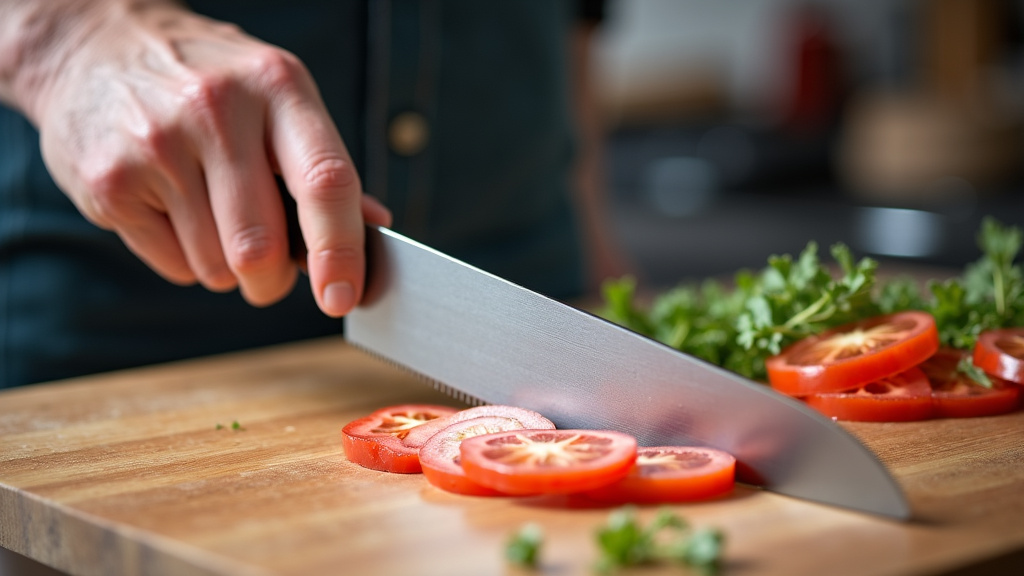
Conclusion
You’ve learned that a bigger blade isn’t automatically better for slicing. We found that the ideal blade size truly depends on your specific needs. Smaller knives offer precision for delicate tasks, while larger ones provide power for bigger jobs. Your personal comfort and the type of food you’re cutting are key factors. Remember, a sharp knife of any size is your safest and most effective tool.
Take a moment to look at the knives you own. Consider which tasks you do most often. Then, choose the right knife for the job to make your kitchen work easier and safer. Your cooking experience will thank you.
Frequently Asked Questions
Is a really long knife better for chopping vegetables?
Not always. While a long blade can help with bigger vegetables, a shorter, well-balanced chef’s knife is often better for general chopping. We found that good control is more important than extreme length for most vegetable prep.
Can a small knife be dangerous?
Any knife can be dangerous if it’s dull or used improperly. A sharp small knife requires less force, which can actually reduce the risk of slips. Always focus on maintaining sharp blades and using safe cutting techniques.
How do I know if a knife is too big or too small for me?
Hold the knife in your hand. Does it feel comfortable and balanced? Can you grip it securely without straining your wrist? We’ve found that personal comfort is a great indicator of whether a knife’s size and weight are right for you.
What is the best knife size for slicing meat?
For carving roasts or slicing cooked meats, a long, slender slicing knife (10-15 inches) is usually best. This length allows for clean, thin slices with minimal drag. We saw that this type of blade is designed to reduce tearing and produce neat results.
Do I really need different knives for different tasks?
While you don’t need a massive collection, having a few key knives makes a difference. A paring knife for detail work and a chef’s knife for general chopping cover many common tasks. We found that using the right tool for the job makes prep faster and safer.