What Is a Manual Meat Slicer? What You Should Know
Understanding Manual Meat Slicers: A Practical Guide
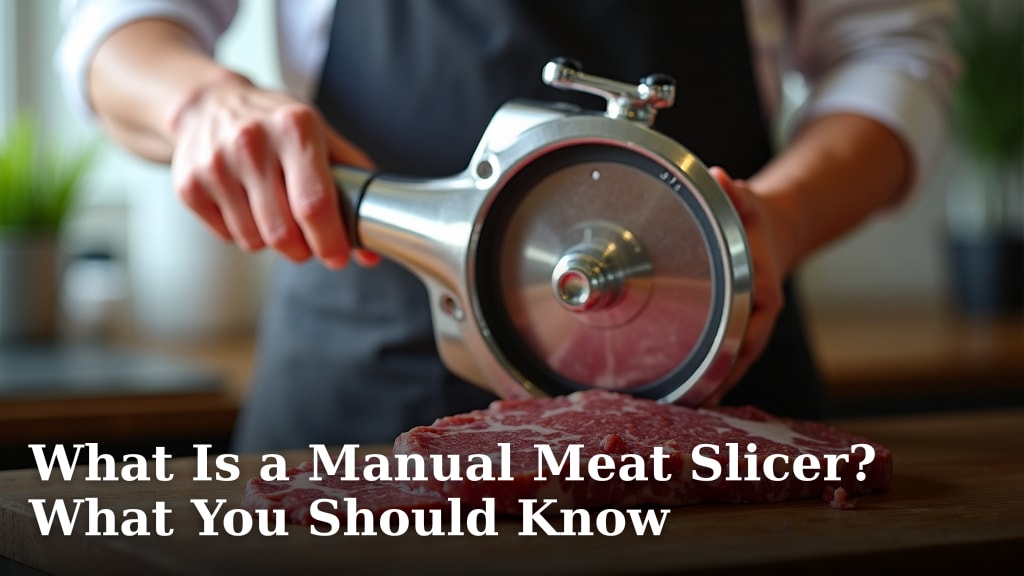
A manual meat slicer is a hand-operated kitchen tool designed to cut deli meats, cheeses, and other foods into thin, even slices. It’s a classic gadget found in many homes and small businesses. Think of it as the non-electric cousin of a professional deli slicer. You control the slice thickness and speed by turning a handle or pushing a carriage by hand.
How a Manual Meat Slicer Actually Works
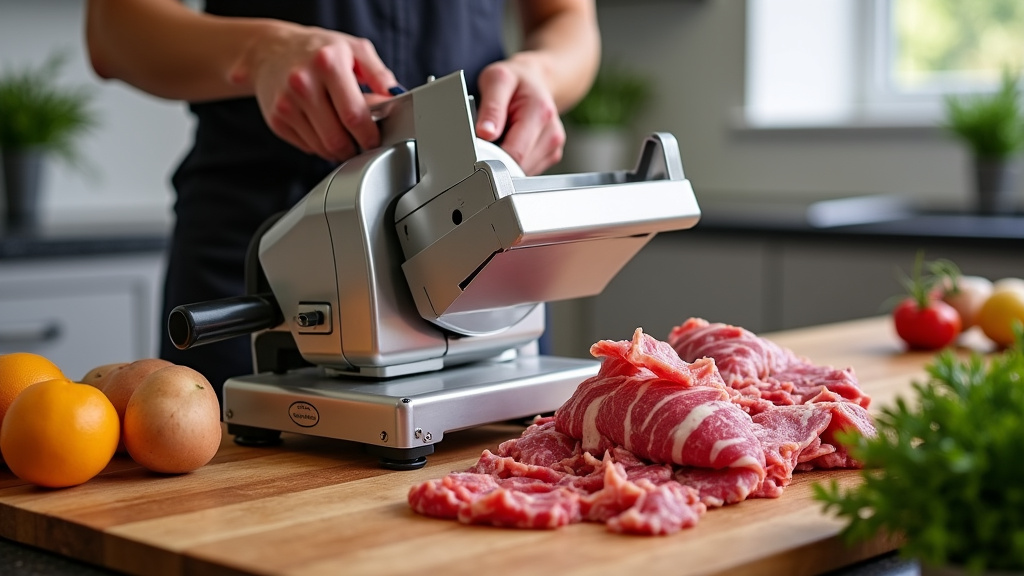
At its core, a manual slicer is straightforward. You place food on a carriage. A blade, often circular and sharp, rotates or moves. You move the food past the blade using a hand crank or lever. It’s a simple, mechanical process. No motors, no plugs, just you and the machine working together.
The Basic Parts of the Machine
Knowing the parts helps you use it safely and well. Here’s what you’ll typically find:
- Blade: The sharp cutting component, usually a round, rotating disc.
- Carriage/Tray: Holds your food and slides it toward the blade.
- Handle/Crank: You turn or push this to move the carriage and blade.
- Thickness Gauge: A dial or lever that adjusts the space between the blade and food.
- Food Pusher: A guard to hold food steady and protect your fingers.
The Cutting Action: Push, Turn, Slice
The process is rhythmic. You secure food on the carriage. You set the thickness. Then you crank the handle. The carriage moves forward. The blade slices a piece. You repeat until done. It’s slower than an electric slicer. But this slow pace gives you more control over every single slice.
Why You Might Choose a Manual Slicer Over an Electric One
Manual slicers aren’t old-fashioned—they’re practical for many people. They’re often cheaper to buy. They’re quieter in your kitchen. And they’re generally simpler to clean because there are fewer parts. For a family that slices ham once a week, they make a lot of sense. According to food safety guidelines from the CDC, proper cleaning is key, and simpler machines are often easier to maintain (CDC).
Key Advantages for Home Cooks
The biggest benefit is control. You dictate the pace. You can stop and adjust easily. This means you can get very thin slices for sandwiches or thicker cuts for a stew. It’s also a space-saver. Many models are compact and can be stored in a cabinet. There’s no risk of electrical shock near water, which adds a layer of safety.
Perfect For These Foods
Manual slicers excel with specific items. They’re great for cooked meats like turkey breast or roast beef. They handle firm cheeses like cheddar or gouda. You can also slice bread, vegetables, or even cold cuts. Just remember, they work best with foods that are firm and cold. Soft, ripe tomatoes might not slice as cleanly.
Potential Drawbacks to Keep in Mind
They aren’t perfect for every situation. The biggest drawback is effort. Slicing a large roast can feel like a workout. It takes longer than an electric model. Also, the blade may dull faster if it’s low-quality. Some people find it hard to get perfectly uniform slices every time. It requires a bit of skill and practice.
Key Features to Look for When Shopping
Not all manual slicers are equal. A well-made one lasts for years. A cheap one might break after a few uses. Focus on these features to make a good choice. Your goal is a machine that’s safe, easy to use, and fits your needs.
| Feature | What to Look For | Why It Matters |
|---|---|---|
| Blade Material | Hardened stainless steel or carbon steel | Stays sharp longer and resists rust |
| Thickness Control | Easy-to-adjust dial or lever, 0-15mm range | Gives you versatility for different foods |
| Stability | Non-slip feet, sturdy base, or suction cups | Prevents the slicer from sliding during use |
| Ease of Cleaning | Parts that are removable and dishwasher-safe | Makes cleanup less of a chore |
| Carriage Size | Large enough for your common foods | Fits roasts, large cheese blocks, etc. |
How to Use a Manual Meat Slicer Safely
Safety is your number one concern. These machines have sharp blades. Always take your time. Follow the manufacturer’s instructions. Keep your fingers away from the blade at all times. Use the food pusher. Never force food through. If it resists, stop and check the setting.
Before You Start: Preparation Steps
Get ready before you slice. Make sure the slicer is on a stable, flat surface. Check that the blade is clean and sharp. Set your desired thickness. Have your food ready and cold (cold food slices better). This quick prep makes the process safer and smoother.
The Right Way to Hold and Operate
Stand comfortably. Use one hand to hold the handle and the other to guide the food pusher. Turn the handle smoothly. Don’t rush. Watch the carriage as it moves. If you feel resistance, stop. It’s better to be slow and safe than to have an accident.
Keeping Your Manual Slicer in Top Shape
Maintenance makes your slicer last. Clean it after every use. Food particles can get stuck and cause bacteria to grow. The USDA recommends cleaning and sanitizing food contact surfaces regularly (USDA). So, take the time to clean properly.
Simple Cleaning Routine
First, unplug or make sure it’s not powered (if it has no plug, just be sure it’s stable). Then, disassemble the parts if possible. Wash the carriage, food pusher, and blade with warm, soapy water. Use a brush to clean around the blade. Rinse thoroughly. Dry all parts completely before reassembling. This prevents rust and keeps it ready for next time.
Manual Slicers vs. Electric Slicers: A Quick Comparison
Which one is right for you? It depends on how often and how much you slice. The comparison below can help you decide.
When a Manual Slicer Is the Better Choice
A manual slicer is ideal if you slice occasionally. If you have a small kitchen, it’s perfect. If you’re on a tighter budget, it’s a great option. It’s also better if you prefer simplicity and don’t want to worry about motors or power cords.
When You Might Need an Electric Slicer
An electric slicer makes sense if you slice large quantities often. Think of a big holiday dinner or a home-based food business. It’s faster and requires less physical effort. But it costs more, takes up space, and needs more careful cleaning of the motor area.
A Practical Checklist for Buying Your First Manual Meat Slicer
Ready to shop? Use this checklist to make sure you get a good one. It covers the most important points for an everyday user. This isn’t about finding the fanciest model. It’s about finding the right tool for your kitchen.
- Blade Quality: Is it made of durable, rust-resistant steel? Does it look sharp?
- Adjustable Thickness: Can you easily change the slice thickness? Is the range suitable for your needs?
- Stable Base: Does it have a non-slip bottom? Will it stay put on your counter?
- Easy to Clean: Are parts removable? Is it dishwasher-safe or simple to hand-wash?
- Comfortable Handle: Does the crank or lever feel good in your hand? Is it easy to turn?
- Good Reviews: Do other users mention durability and ease of use? Look for honest feedback.
Choosing a manual meat slicer is about matching the tool to your lifestyle. You’re not buying a complex gadget. You’re choosing a reliable kitchen helper that makes preparing meals a bit easier. Take your time, check the features, and you’ll find one that serves you well for years to come.
Conclusion
A manual meat slicer is a smart, simple tool for anyone who wants control over their food prep. You’ve seen how it works, from its basic parts to its clear advantages over electric models. It’s perfect for slicing deli meats, cheeses, and firm foods at your own pace. It saves space, is easy to clean, and puts you in charge of slice thickness. The trade-off is a bit more effort and a short learning curve. By focusing on key features like blade quality and stability, you can choose a durable helper for your kitchen.
Now that you know what to look for, use the buying checklist in this guide. That’s your best next step. Take your time, match the slicer to your needs, and you’ll find a reliable kitchen companion for years.
Frequently Asked Questions
Can I sharpen the blade on my manual meat slicer?
Yes, most blades can be sharpened to extend their life. We recommend using a sharpening stone designed for knives or a professional sharpening service. Always unplug the slicer (if it has a plug) and follow the manufacturer’s instructions carefully for safe removal and reinstallation.
Is it safe to slice partially frozen meat with a manual slicer?
It’s generally not recommended. Slicing frozen meat can be extremely difficult and dangerous. The hard texture requires too much force, which could cause the blade to slip. It also puts significant strain on the machine and can dull the blade quickly.
How can I get more uniform slices if I’m a beginner?
Practice and preparation are key. First, ensure your food is well-chilled and firm. Secure it properly on the carriage and use the food pusher. Focus on turning the handle at a smooth, consistent speed rather than rushing. You’ll develop a rhythm that leads to more even slices.
Can children use a manual meat slicer under supervision?
We strongly advise against it. The blades are extremely sharp and pose a serious risk of injury. Even with supervision, the manual operation requires a certain level of strength and coordination. It’s best to consider these slicers as adult-use tools only.
What’s the best way to store my manual meat slicer?
Clean and dry it thoroughly before storing. To protect the blade and save space, store it with the blade guard on, if one is provided. Keep it in a dry cabinet or drawer where it won’t be knocked around. Some people store it in its original box with padding for extra protection.