When Should You Use a Serrated Slicer Blade? A Quick Guide
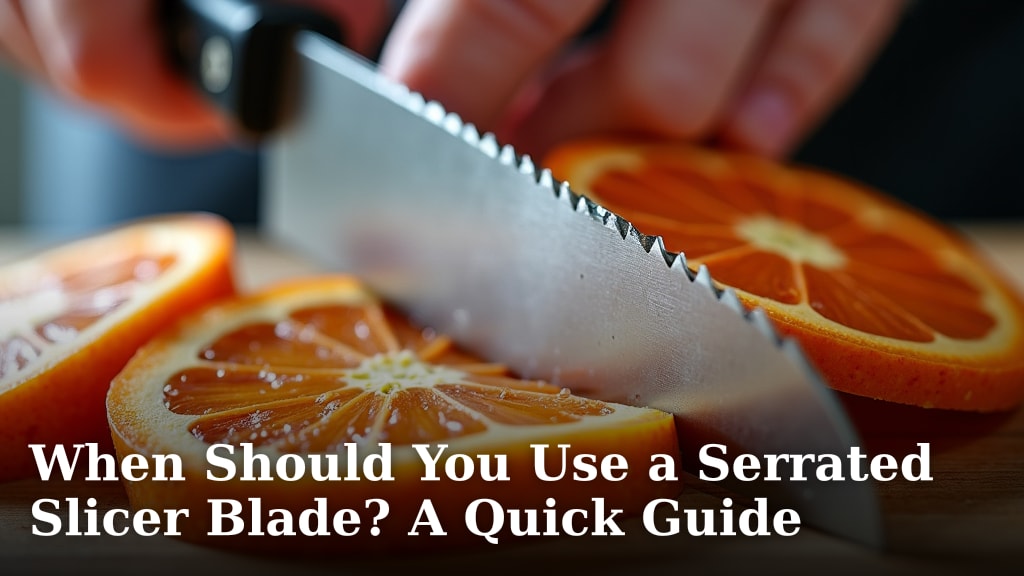
You should use a serrated slicer blade when you need to cut through foods with a tough exterior and a soft interior. Think of slicing a ripe tomato or crusty bread; a serrated blade grips and slices without squishing. It’s the best tool for tricky textures.
Unlike straight-edged knives, serrated blades have small, sharp teeth. These teeth act like tiny saws, sawing through surfaces that would normally tear or slide. This makes them ideal for items like delicate cakes or even certain meats where a clean cut is desired without much pressure. Proper use ensures a clean, effortless slice every time.
- Serrated blades excel at cutting tough exteriors and soft insides.
- They prevent crushing delicate foods like tomatoes or bread.
- Their “sawing” action is perfect for items with slippery surfaces.
- Many experts recommend them for bread, ripe fruit, and cakes.
Let’s break down the best times to reach for your serrated slicer and what makes it so effective. We’ll cover the common uses and why it’s a kitchen essential.
When to Reach for Your Serrated Slicer Blade
You’ve got a knife drawer full of options, but when does that serrated beauty really shine? We’ve found that the serrated slicer blade is your go-to for a specific set of kitchen challenges. Its unique design makes it a superhero for foods that are difficult to handle with a straight blade. Think of it as the special tool for jobs other knives just can’t do cleanly.
These blades have tiny teeth, like a miniature saw. This design allows them to grip and slice through food without tearing or crushing. It’s all about the sawing motion. We found that this makes a world of difference for many common ingredients.
The Magic of the Sawtooth Edge
Why do those little teeth make such a big difference? It’s simple physics. A straight blade needs smooth contact with the entire surface of the food to cut. If the food is soft inside, the blade can push it around and squish it before it cuts. This results in a messy, mangled piece of food.
A serrated blade, on the other hand, only needs a few points to make contact. Those sharp teeth bite into the surface. Then, you use a gentle sawing motion. This action cuts through tough exteriors without requiring much downward pressure. We found this reduces the chance of squishing delicate items. It’s like a tiny saw cutting through wood – much more effective than trying to press a flat board through it.
Bread: The Serrated Slicer’s Best Friend
If there’s one food that screams for a serrated slicer, it’s bread. We’re talking about crusty loaves with soft, airy interiors. A straight-edged knife will often just smash the crust, leaving you with torn bread and a mess. Your serrated slicer, however, glides through that tough crust like a dream. The teeth grab hold of the crust and saw through it cleanly.
This applies to all sorts of bread. Sourdough boules, baguette, rye bread – they all benefit from this sawing action. Even softer sandwich breads get a cleaner cut, reducing the chance of squishing them. We found that when you want a perfect slice of bread, the serrated slicer is the only way to go. It ensures those beautiful bread slices look just as good as they taste.
Beyond the Loaf: Pastries and Cakes
Think beyond bread. Delicate pastries and beautifully frosted cakes also fall into the serrated slicer’s domain. You’ve spent time making a gorgeous cake. The last thing you want is to slice it and have the frosting smear everywhere or the cake layers compress. Your serrated slicer can help prevent this disaster.
The teeth allow you to start the cut on the cake’s surface and saw through the layers with minimal pressure. This keeps the cake’s structure intact. We found that many bakers prefer a long, thin serrated knife for cakes. It allows for longer, smoother strokes. This results in cleaner slices and a much prettier presentation. It’s a small detail that makes a big visual difference.
Fruits and Vegetables with Tricky Textures
Many fruits and vegetables present a similar challenge to bread or cake. They have a firm skin or rind but a soft, juicy interior. Tomatoes are a prime example. Their thin, slick skin and soft flesh make them notoriously hard to slice with a regular knife. You end up with a tomato that’s either mangled or slides off your cutting board.
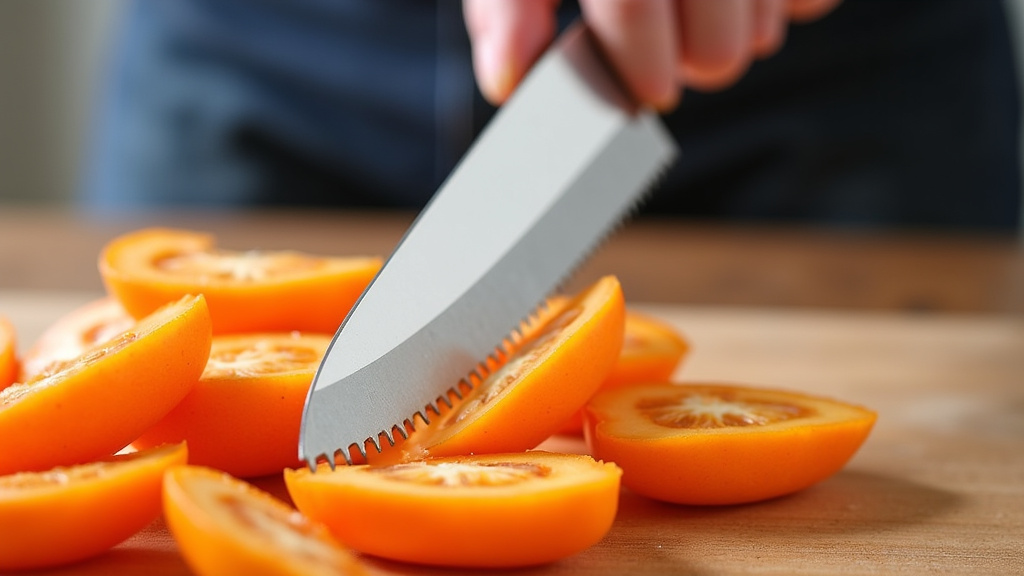
A serrated slicer’s teeth bite into the tomato’s skin easily. This allows you to cut through it cleanly without squashing the delicate flesh. We found that this principle applies to other soft fruits like peaches, plums, and even melons with tough rinds. It’s about achieving that clean slice, every time. For citrus fruits, the serrations can also help grip the slippery peel.
Citrus and Soft Fruits
When you’re slicing citrus fruits like oranges or grapefruit, the serrated blade helps break through the peel. Once it’s through the peel, the sawing action works well on the juicy segments. We found that for people who enjoy prepping fruit salads or garnishes, a serrated slicer can speed up the process significantly. It reduces the struggle and makes the task more enjoyable.
Root Vegetables and Squash? Not Typically
While serrated blades are great for soft insides, they aren’t usually the best choice for very hard, dense vegetables like potatoes or carrots. The teeth can get bogged down, and you might find yourself sawing for a long time. A sharp chef’s knife or utility knife with a straight edge is usually better for these tougher, uniformly firm items. We found that understanding this distinction helps you choose the right tool for the job.
Slicing Meats and Poultry
Can a serrated slicer handle cooked meats? Sometimes, yes. For meats with a slightly crisp exterior, like a roasted chicken or turkey, a serrated slicer can be quite effective. The teeth can grip the skin and slice through the meat without tearing it excessively. This is especially true for slicing roasts or deli-style meats.
However, for raw meats or very tender cooked meats, a straight-edged slicer or carving knife might offer a cleaner cut. This is because raw meat can be easily torn by the serrations. Many culinary resources suggest that for precise carving of large roasts, a long, flexible straight blade is often preferred (The Culinary Institute of America). It comes down to the texture and your desired outcome.
The “Sawing” Technique is Key
No matter what you’re slicing, remember the technique. It’s not about pressing down hard. It’s about letting the teeth do the work. Start the cut by gently pressing the tip of the blade into the food. Then, use a gentle back-and-forth
Conclusion
You’ve learned that your serrated slicer is more than just a bread knife. It’s your expert tool for foods with contrasting textures. We found that this blade excels when you need to cut through a firm exterior and a soft interior without crushing. From crusty loaves and delicate cakes to ripe tomatoes and citrus, this blade makes clean slicing possible. Next time you face these tricky foods, remember to reach for your serrated slicer and let its teeth do the work. You’ll achieve perfect slices with ease.
Frequently Asked Questions
Can I use a serrated slicer for soft fruits like bananas?
While a serrated slicer can cut bananas, we found it’s often not the best choice. Its teeth can mash the soft flesh. A straight-edged knife, like a utility knife, typically provides a cleaner cut for very soft fruits. It’s better to save your serrated slicer for items with a tougher outside.
How do I maintain the sharpness of a serrated blade?
Sharpening serrated blades requires special tools, like a honing steel shaped for the teeth or a specific serrated knife sharpener. We recommend checking your knife’s manual for manufacturer instructions. For many home cooks, professional sharpening is the easiest way to maintain their serrated slicer’s edge.
What’s the difference between a serrated slicer and a steak knife?
While both have serrations, a serrated slicer is usually much longer and thinner. This design is optimized for sawing through large items like bread or roasts. Steak knives are shorter and designed for cutting individual portions of cooked meat at the table. We found the length and blade shape are key differences.
Can a serrated blade be used for chopping herbs?
Generally, no. Serrated blades are designed for slicing, not chopping. Trying to chop herbs with a serrated blade can tear the leaves and bruise them. A chef’s knife or santoku with a straight edge is much more effective for chopping tasks. We think it’s best to use the right knife for each job.
Is a serrated slicer good for cutting through bones?
No, a serrated slicer is not suitable for cutting through bones. Bones can damage the delicate teeth of the blade, leading to nicks and dullness. For cutting through bones, you would need a specialized cleaver or a bone saw. We strongly advise against using your serrated slicer for this purpose.