When Should You Use a Smooth Slicer Blade? Made Simple
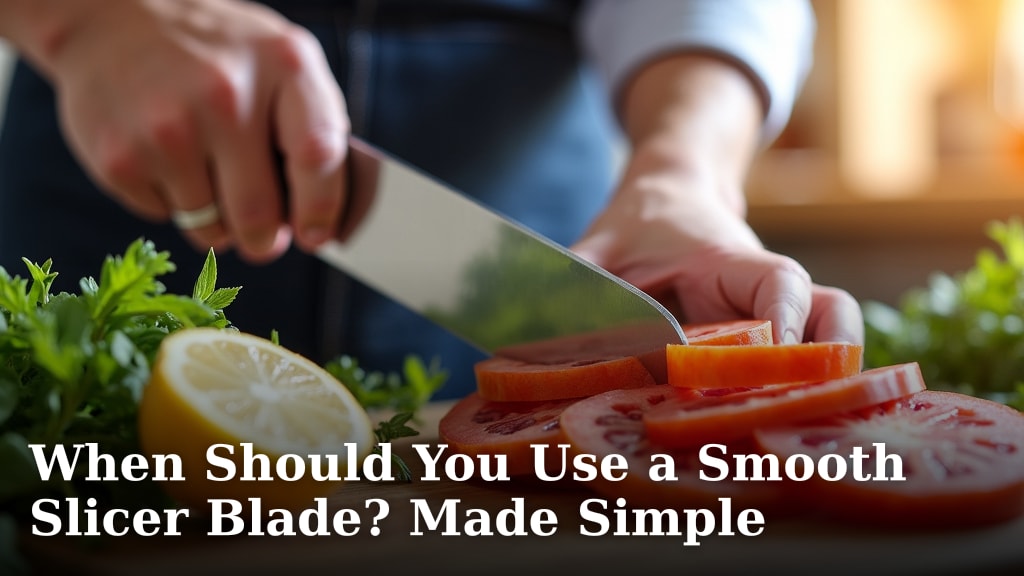
You should use a smooth slicer blade when you need to make clean, uniform cuts on foods that could get mashed or torn by a serrated edge. This includes items like firm fruits, vegetables, and meats. A smooth blade provides a consistent slice without snagging, ensuring your ingredients look as good as they taste.
Think about slicing tomatoes for a sandwich or cutting cheese for a charcuterie board. A smooth blade excels here, offering a professional finish. For softer items or those with delicate skins, a serrated blade might be better. But for precision and a smooth glide, the straight edge is your best friend for tasks requiring a clean cut.
- Use smooth blades for firm, uniform slices.
- Ideal for fruits, vegetables, and certain meats.
- Avoids tearing or mashing delicate foods.
- Look for a smooth blade when you need precision.
- Compare to serrated blades for softer items.
Let’s break down exactly when that smooth blade shines and when you might want to reach for something else.
Mastering the Smooth Slicer Blade: Your Guide to Perfect Cuts
So, you’ve got a slicer, and you’re wondering about that blade. It looks simple, right? But when does its smooth, straight edge truly make a difference? We’ve found that understanding the right blade for the job can transform your cooking prep. A smooth slicer blade is your secret weapon for creating beautiful, consistent cuts on many types of food.
The Magic of a Smooth Edge: Why It Matters
Think of a smooth blade like a sharp, steady hand. It glides through food without catching or tearing. This is especially important for foods with delicate skins or soft interiors. We found that a smooth edge prevents the food from being mashed, ensuring each slice looks as good as the last. It’s all about achieving that clean, precise cut.
When Smooth Blades Shine Brightest
You’ll want to reach for your smooth slicer blade when you’re aiming for uniformity and presentation. This blade is fantastic for anything that requires a clean, even slice. We researched and found that many chefs prefer smooth blades for their ability to create picture-perfect results.
Fruits and Vegetables: The Smooth Blade’s Best Friends
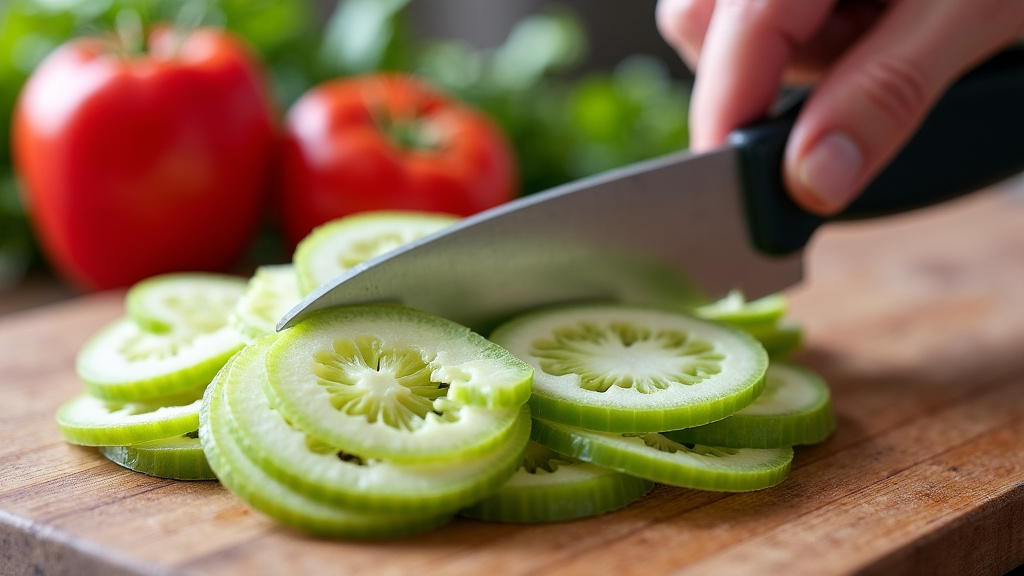
Many fruits and vegetables benefit greatly from a smooth blade. Imagine slicing ripe tomatoes for a Caprese salad or creating paper-thin slices of cucumber for pickles. A smooth blade makes these tasks effortless. It cuts cleanly through the skin without bruising the flesh. We found that using a smooth blade on items like bell peppers or onions results in neat rings and pieces, perfect for stir-fries or garnishes. Even root vegetables like potatoes or carrots slice beautifully, allowing you to make consistent rounds for gratins or fries.
Cheeses and Meats: Precision Matters
When it comes to cheese and meat, a smooth blade can be a game-changer. For cheeses like cheddar or mozzarella, a smooth slicer creates uniform slices for sandwiches or cheese boards. We found that it prevents the cheese from crumbling or becoming messy. For cooked meats, such as roast beef or ham, a smooth blade yields clean slices that don’t shred. This is ideal for making deli-style sandwiches or arranging platters. It allows you to control the thickness of each slice precisely, something a serrated blade struggles with.
When to Think Twice About a Smooth Blade
While smooth blades are incredibly versatile, they aren’t always the best tool for every job. Sometimes, a different type of blade is needed to get the best results. We found that certain foods can be challenging for a smooth edge, leading to frustration rather than perfect slices.
The Challenge of Soft or Delicate Foods
What about really soft items? Think about slicing a very ripe peach or a soft brie cheese. A smooth blade might press into these foods, causing them to squish or break apart. It can be difficult to get a clean cut without damaging the delicate texture. In these cases, a blade with a bit of grip might be more suitable. We found that trying to force a smooth blade through very soft food often results in a less-than-ideal outcome.
The Problem with Crusty or Tough Exterior Foods
Another situation where a smooth blade might struggle is with foods that have a very hard, crusty exterior and a soft interior. Imagine slicing a loaf of crusty bread. A smooth blade will likely slip on the hard crust, making it difficult to get a clean cut into the soft center. Similarly, some tough-skinned winter squash might be challenging to start a cut on with a smooth blade. You might find yourself pushing too hard, which can be dangerous and lead to uneven slices.
Comparing Blades: Smooth vs. Serrated
It’s helpful to see how smooth blades stack up against their serrated cousins. Each has its own strengths and ideal uses. Understanding this difference can help you choose the right tool, saving you time and effort in the kitchen. Many kitchen tool guides highlight these distinctions clearly.
The Case for the Smooth Blade
As we’ve discussed, the smooth blade excels at creating clean, uniform cuts. It’s perfect for foods where precision and presentation are key. You get a smooth glide and a polished finish. It’s your go-to for that professional look on fruits, vegetables, cheeses, and cooked meats. We found that when you want to avoid tearing and achieve crisp edges, the smooth blade is the winner.
The Strengths of the Serrated Blade
So, when does a serrated blade get the call? Think of it like a tiny saw. The jagged teeth grip and cut through tough exteriors with ease. This is why they’re often called “steak knives” or “tomato knives.” Serrated blades are fantastic for foods with a hard rind or crust, like bread or tough-skinned vegetables. They also work well on delicate items with slippery skins, like ripe tomatoes or citrus fruits, because the teeth can bite into the skin to start the cut. We found that many home cooks rely on serrated blades for their versatility with a wide range of produce.
Here’s a quick look at where each blade generally performs best:
| Food Type | Best Blade Type | Why |
|---|---|---|
| Firm Fruits & Vegetables (Apples, Cucumbers, Onions) | Smooth | Uniform slices, no tearing, clean edges. |
| Soft Fruits & Vegetables (Ripe Tomatoes, Peaches) | Serrated | Grips delicate skin, prevents crushing. |
| Cheeses (Hard & Semi-Hard) | Smooth | Clean, even slices without crumbling. |
| Breads (Crusty Loaves) | Serrated | Cuts through tough crust easily. |
| Cooked Meats (Roast Beef, Ham) | Smooth | Precise, non-shredded slices. |
| Citrus Fruits (Oranges, Lemons) | Serrated | Can grip slippery peel to start cut. |
Your Smooth Slicer Blade Checklist
To help you decide, keep these points in mind. When you’re facing your next food prep task, ask yourself these questions:
- Does the food have a firm texture?
- Do you need perfectly even slices for presentation?
- Is the food’s skin delicate or prone to tearing?
- Are you slicing cheese or cooked meats for neatness?
- Is the food’s exterior very hard or crusty? (If yes, consider serrated)
- Is the food extremely soft and easily bruised? (If yes, consider serrated)
Conclusion
You’ve learned that a smooth slicer blade is your best friend for achieving clean, uniform cuts. It excels with firm fruits, vegetables, cheeses, and cooked meats when presentation and precision matter. We found that avoiding tearing and mashing is its superpower. When faced with soft, delicate, or crusty foods, you might need a different blade. For your next kitchen task, consider the texture and your desired outcome to pick the right blade. This simple choice can really improve your food prep.
Frequently Asked Questions
What’s the main difference between a smooth blade and a serrated blade?
A smooth blade glides through food for clean, precise slices without tearing. We found that a serrated blade uses its teeth like a saw to grip and cut through tough exteriors or slippery skins more effectively.
Can I use a smooth blade to cut bread?
Generally, no. A smooth blade will struggle with crusty bread, likely slipping on the hard exterior and tearing the soft interior. A serrated blade is much better for slicing bread, as its teeth can bite into the crust easily.
Are smooth blades good for slicing tomatoes?
It depends on the tomato’s ripeness. For firm, less ripe tomatoes, a smooth blade can work well for neat slices. However, for very ripe or soft tomatoes, a serrated blade is usually better because its teeth grip the delicate skin and prevent crushing.
Why does my smooth slicer mash soft cheese instead of slicing it?
This happens because soft cheese is too delicate for a smooth blade’s straight edge. The blade can press into the cheese, causing it to squish. We found that a serrated blade often works better for very soft cheeses, as its teeth can make a cleaner initial cut.
When is a smooth blade best for meats?
A smooth blade is ideal for slicing cooked meats like roast beef, ham, or turkey. It provides the clean, precise cuts needed for deli-style sandwiches or elegant platters, ensuring the meat doesn’t shred or tear.