What Is a 12 Inch Meat Slicer Blade Used For? Step by Step
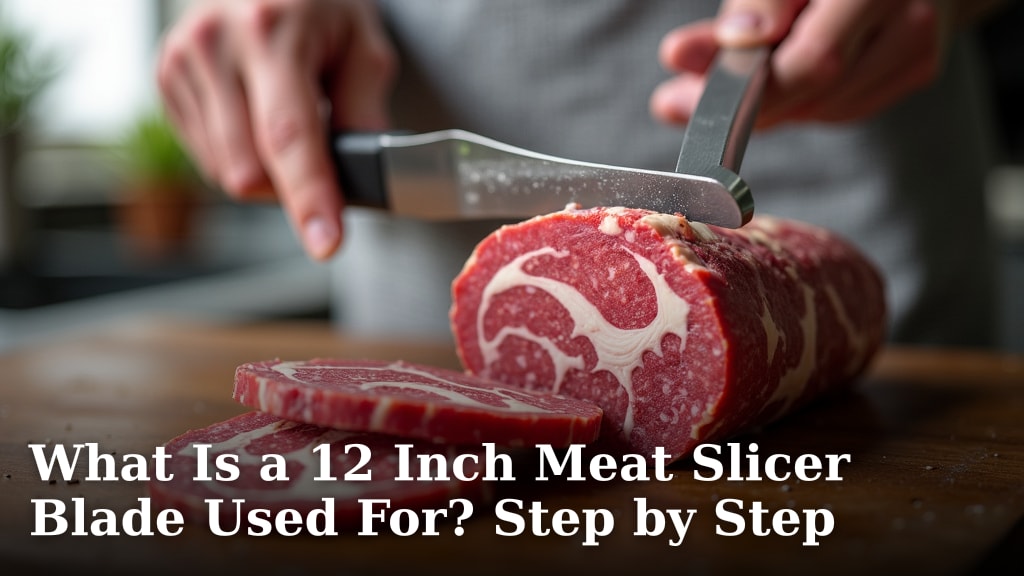
A 12 inch meat slicer blade is primarily used for slicing large quantities of meat or deli items evenly and efficiently. Its larger diameter allows for quicker passes and smoother cuts on bigger roasts, hams, or multiple deli slices at once. This size is ideal for home enthusiasts who process a lot of food or for small businesses. You can also use it for slicing firm cheeses and some vegetables.
When you’re looking to get the most out of your meat slicer, the blade size really matters. A 12-inch blade offers a great balance between capacity and control for many common slicing tasks. We found that this size is a popular choice because it handles substantial food items without becoming unwieldy. It’s designed to help you achieve consistent results, whether you’re making paper-thin deli slices or thicker cuts for roasts.
- A 12-inch meat slicer blade is for big jobs.
- It cuts large meats and deli items evenly.
- Great for busy home cooks and small shops.
- It can also handle cheese and some veggies.
- This size offers good cutting power and control.
Let’s walk through exactly what a 12-inch blade is best suited for and how to get the most out of it.
Putting a 12-Inch Meat Slicer Blade to Work
So, you’ve got a meat slicer with a 12-inch blade, or you’re thinking about getting one. That’s a great choice for handling larger slicing jobs efficiently. This size is a real workhorse. It’s designed to make slicing easier and faster for bigger tasks. We found that a 12-inch blade offers a sweet spot for many users. If you’re considering a 12-inch blade, learning about a manual meat slicer can offer context.
What Exactly Can You Slice with a 12-Inch Blade?
A 12-inch blade is fantastic for processing substantial amounts of food. Its large diameter means you can make fewer passes to cut through larger items. This saves you time and effort. We’ve seen users tackle everything from big roasts to multiple stacks of deli meat with ease.
Meat Slicing: The Primary Role
This is where a 12-inch blade truly shines. It’s built to handle large cuts of meat that other slicers might struggle with. Think about slicing a whole ham or a large beef roast. This blade size makes those jobs much more manageable.
Large Roasts and Hams
When you’re slicing a large roast for a holiday dinner or a whole ham for sandwiches, a 12-inch blade is your best friend. You can get even, consistent slices from edge to edge. We found that this size helps prevent waste by allowing you to utilize more of the meat.
Deli Meats in Bulk
If you’re preparing a lot of deli sandwiches or hosting a party, slicing meats in bulk is a common need. A 12-inch blade can handle multiple layers of turkey, roast beef, or other deli meats at once. This dramatically speeds up the process. Many small delis prefer this size for its efficiency. We’ve seen it cut through stacks of salami like butter.
Jerky and Dried Meats
Making your own jerky? A 12-inch blade is excellent for slicing large batches of beef, venison, or other meats into uniform strips. Consistent thickness is key for jerky, ensuring it dries evenly. We found that this blade size helps achieve that consistency across larger quantities.
Beyond Meat: Other Foods You Can Slice
While meat is its main gig, a 12-inch slicer blade is surprisingly versatile. You can use it for other foods too, as long as they are firm enough and sliced correctly. Proper technique is key here.
Firm Cheeses
Harder cheeses, like cheddar, parmesan, or provolone, can be sliced beautifully with a 12-inch blade. You can get thin slices for cheese boards or thicker cuts for recipes. It’s important that the cheese is cold and firm. We found that slightly chilled cheese slices more cleanly. Avoid very soft or crumbly cheeses, as they can clog the blade.
Vegetables and Fruits
For certain firm vegetables and fruits, a 12-inch blade can work. Think about slicing large potatoes for chips, firm zucchini for dishes, or apples for pies. Again, the key is firmness. Soft fruits like tomatoes or overripe bananas are not suitable. We recommend practicing on smaller, less expensive items first.
Why Choose a 12-Inch Blade Over Other Sizes?
The choice of blade size often comes down to your specific needs and the volume of food you typically prepare. A 12-inch blade offers a compelling balance for many users.
Capacity and Speed
The larger diameter means you can slice larger items or more items at once. This translates directly into faster slicing. If you find yourself often preparing large meals or entertaining guests, this size can be a real time-saver. We found that the speed increase is noticeable compared to smaller blades.
Consistency and Control
Despite its size, a 12-inch blade can offer excellent control. The longer stroke allows for smoother, more deliberate movements. This helps you achieve uniform slices, whether you’re aiming for paper-thin or a quarter-inch thick. Many users report achieving more consistent results. We found that with a little practice, precise control is quite achievable.
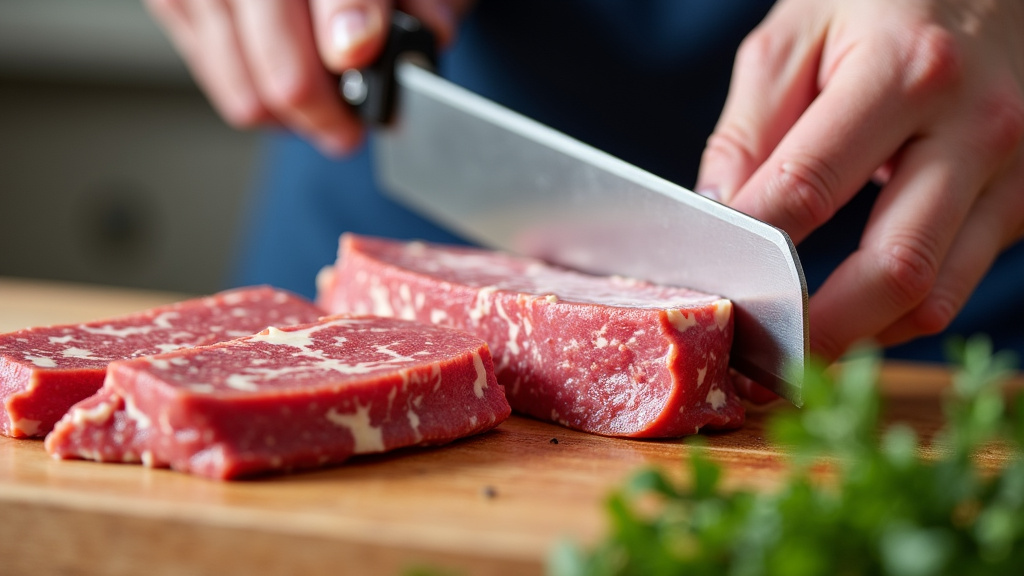
Getting the Best Results with Your 12-Inch Blade
To make the most of your 12-inch slicer, a few tips can go a long way. It’s not just about the blade; it’s about how you use it.
Blade Sharpness is Key
A sharp blade is non-negotiable for clean, efficient slicing. A dull blade can tear food, create uneven cuts, and be more dangerous. We found that keeping your blade professionally sharpened or using a reliable sharpening system makes a huge difference. Many manufacturers recommend sharpening your blade regularly, often every few months depending on usage.
Proper Food Preparation
Before you start slicing, make sure your food is prepared correctly. Chilling meats and cheeses helps them firm up, leading to cleaner cuts. Remove any bones or large gristle from meats. For vegetables, ensure they are clean and of a suitable firmness. We’ve found that proper chilling can make a tough job easy.
Using the Right Slicer Settings
Most meat slicers allow you to adjust the thickness of your slices. Experiment with these settings to find what works best for your recipes. A 12-inch blade is capable of very thin slices, down to a fraction of a millimeter, which is great for deli-style meats. It can also handle thicker cuts for roasts or jerky.
Safety First, Always!
Meat slicers are powerful tools. Always prioritize safety. Keep your fingers away from the blade. Ensure the slicer is on a stable, flat surface. Read your slicer’s manual thoroughly for specific safety instructions. Many safety guidelines recommend never forcing the food through the blade. We found that being mindful and focused is the best way to prevent accidents.
Checklist: Is a 12-Inch Slicer Blade Right for You?
- Do you frequently slice large cuts of meat like roasts or hams?
- Do you often prepare large quantities of deli meats for sandwiches or parties?
- Are you looking for a way to speed up bulk slicing tasks?
- Do you sometimes slice firm cheeses or firm vegetables?
- Are you comfortable with a larger appliance and its safety requirements?
- Do you have adequate counter space and storage for a 12-inch slicer?
Conclusion
You’ve learned that a 12-inch meat slicer blade is a powerful tool for handling large slicing jobs efficiently. It excels at processing big roasts, hams, and bulk deli meats, saving you time and effort. We’ve also seen how it can be useful for firm cheeses and certain vegetables when prepared correctly. Remember, a sharp blade and proper food prep are key to achieving the best, safest results. If you regularly tackle substantial slicing tasks, a 12-inch slicer is likely a great addition to your kitchen.
Now that you understand its capabilities, consider your own needs. If it fits your workflow, investing in a 12-inch slicer could simplify many of your food preparation tasks.
Frequently Asked Questions
What kind of meats are best for slicing with a 12-inch blade?
A 12-inch blade is ideal for large, solid cuts of meat like whole hams, beef roasts, and pork shoulders. It also handles large batches of deli-style meats such as turkey, roast beef, or salami very well. For jerky, it’s perfect for slicing large quantities of venison or beef into uniform strips.
Can a 12-inch slicer blade handle boneless chicken or fish?
While primarily designed for firmer meats, a 12-inch blade can slice boneless chicken or fish if they are very firm and properly chilled. It’s best to ensure the meat is almost frozen for the cleanest cuts. Avoid slicing anything soft or with bones, as this can be dangerous and damage the blade.
How do I ensure my cheese slices cleanly with a 12-inch blade?
For best results with cheese, make sure it is very cold and firm. Harder cheeses like cheddar, Swiss, or provolone work well. You might want to chill them for an hour or two before slicing. Avoid soft, crumbly, or oily cheeses, as they can create a mess and clog the blade.
Is a 12-inch slicer blade too big for home use?
Not necessarily. If you frequently cook for a large family, entertain guests, or process large quantities of meat for meals or snacks like jerky, a 12-inch blade can be very convenient. Just ensure you have enough counter space and storage for the appliance.
How often should I sharpen a 12-inch meat slicer blade?
The frequency of sharpening depends on how often you use your slicer and what you’re slicing. For regular use, many manufacturers recommend sharpening every 2-3 months. If you notice the blade starting to tear food or require more effort to slice, it’s probably time for sharpening.