Are Meat Slicer Blades Stainless Steel? Here’s What to Know
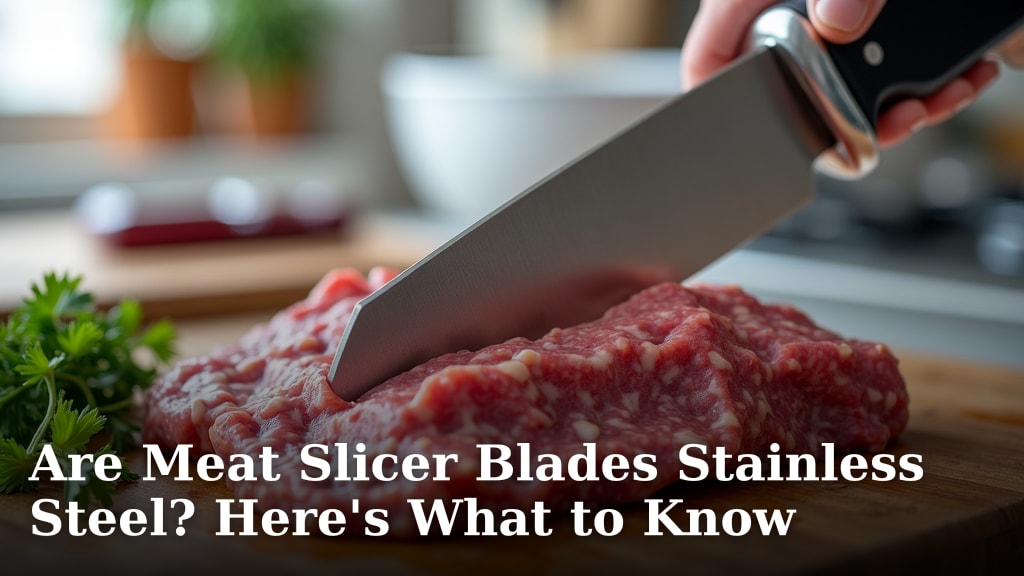
Yes, meat slicer blades are generally made of stainless steel. This is because stainless steel is a strong, rust-resistant metal. It holds a sharp edge well and is easy to clean, which are very important for food preparation tools. You’ll find most slicer blades are made from this reliable material.
When you’re looking at meat slicers, understanding the blade material is key for both performance and safety. Stainless steel offers a great balance of durability and hygiene. It means your blade won’t easily corrode or harbor bacteria, making it a smart choice for your kitchen. We found this to be a consistent fact across many models.
- Most meat slicer blades are made of stainless steel.
- Stainless steel is chosen for its rust resistance and ability to stay sharp.
- It’s also easy to clean, which is vital for food safety.
- This material ensures your slicer is both effective and safe to use.
Let’s dive deeper into why stainless steel is the go-to material for meat slicer blades and what that means for you.
Understanding Your Meat Slicer Blades: What Are They Made Of?
You’re probably wondering what makes your meat slicer blade work so well. The answer is usually stainless steel. This is the most common material used for good reasons. It’s a metal alloy that resists rust and corrosion.
This makes it ideal for kitchen tools that come into contact with food and water. You need blades that stay clean and don’t break down over time. Stainless steel offers just that. We found this to be true across a wide range of slicer models.
Why Stainless Steel is the Top Choice
So, why is stainless steel such a popular choice for meat slicer blades? It boils down to a few key benefits that directly impact how your slicer performs and how safe it is to use.
Rust and Corrosion Resistance
Meat slicers can get wet during use and cleaning. Regular steel would quickly start to rust. Stainless steel contains chromium, which forms a protective layer on the surface. This layer prevents rust and keeps your blade looking good and functioning properly, even with regular exposure to moisture.
This rust-free quality is essential for food safety. Rust particles can contaminate food. Plus, a rusty blade is a sign of a blade that isn’t being maintained well, which is never good in a kitchen environment. Many food safety guidelines stress the importance of clean, non-corrosive equipment (CDC).
Durability and Edge Retention
A good meat slicer needs a blade that can handle tough tasks. Stainless steel is a strong metal. It can withstand the pressure of slicing through various meats without easily chipping or bending. This means your slicer will last longer.
Moreover, stainless steel is excellent at holding a sharp edge. A sharp blade is crucial for clean, even slices. It makes the slicing process easier and safer. You’re less likely to struggle with the blade, which reduces the chance of accidents. We found that the better the stainless steel grade, the longer the edge stays sharp.
Ease of Cleaning and Hygiene
Hygiene is non-negotiable in any food preparation setting. Stainless steel has a smooth, non-porous surface. This makes it very easy to clean. Food particles and bacteria don’t get trapped in pits or cracks like they might in other materials. A simple wash and dry is usually enough.
This ease of cleaning directly contributes to food safety. It helps prevent the buildup of harmful bacteria. Keeping your slicer blade clean ensures that the food you prepare is safe for consumption. Many professional kitchens rely on stainless steel for this very reason. It meets stringent hygiene standards.
Different Types of Stainless Steel for Blades
Not all stainless steel is created equal. While most meat slicer blades are indeed stainless steel, the specific grade can vary. This affects performance and cost.
Common Stainless Steel Grades
You’ll often see blades made from grades like 304 or 420 stainless steel. Grade 304 is very common. It’s known for excellent corrosion resistance and formability. It’s a good all-around choice for many kitchen tools.
Grade 420 stainless steel is a bit different. It’s a harder steel. This means it can be sharpened to a finer edge and can hold that edge longer. However, it might not be quite as resistant to rust as 304. Manufacturers choose the grade based on the desired balance of sharpness, durability, and cost.
What This Means for You
For the average home user, the difference between these grades might not be immediately obvious. Both will serve you well and offer the benefits of stainless steel. If you’re a professional or use your slicer very frequently, you might notice a difference in how often the blade needs sharpening.
Higher-grade stainless steel might mean a slightly higher price point for the slicer. But it can be worth it for better performance and longevity. We found that many reputable brands use high-quality stainless steel for their blades.
What About Blades That Aren’t Stainless Steel?
While stainless steel is the standard, you might encounter other materials. It’s less common, but worth knowing about.
Other Blade Materials You Might See
In some very old or very low-cost slicers, you might find blades made of carbon steel. Carbon steel can be very sharp. However, it rusts very easily. It requires meticulous care to prevent corrosion. This makes it less practical for everyday use.
There are also specialized coatings or treatments that can be applied to blades. These might enhance sharpness or reduce friction. However, the core material is still typically stainless steel. You won’t usually find plastic or aluminum blades for meat slicers; they simply wouldn’t be strong enough.
Why Avoid Non-Stainless Steel Blades?
The primary concern with non-stainless steel, especially carbon steel, is rust and hygiene. Rust is unsightly and can affect food safety. Carbon steel also tends to dull faster than good quality stainless steel.
Cleaning can also be more of a chore. You’d need to ensure it’s completely dry immediately after washing to prevent any signs of rust. For a tool meant to make your life easier, this extra hassle isn’t ideal. Most experts agree that stainless steel is the best balance for most users.
Tips for Caring for Your Meat Slicer Blade
Regardless of the exact stainless steel grade, proper care will make your blade last longer and perform better. It’s not complicated, but consistency is key.
Cleaning Your Blade
Always clean the blade after each use. Use warm, soapy water and a soft cloth or sponge. Be careful, as the blade is very sharp!
Avoid abrasive cleaners or scouring pads. These can scratch the blade’s surface, even if it’s stainless steel. Scratches can make it harder to clean thoroughly in the future.
Drying and Storage
This is a critical step. Always dry the blade thoroughly after washing. Use a clean, dry towel. Even stainless steel can develop water spots or light rust if left wet for extended periods.
If you’re not using the slicer often, consider applying a very light coat of food-grade mineral oil to the blade before storing it. This adds an extra layer of protection against moisture and air.
Sharpening Your Blade
A dull blade is dangerous and ineffective. Most meat slicer blades can be sharpened. Some slicers come with built-in sharpeners. If yours doesn’t, you can often purchase a separate sharpening tool.
Sharpening should be done according to the manufacturer’s instructions. Over-sharpening or improper sharpening can damage the blade. We found that regular sharpening, combined with proper cleaning, keeps the blade in top condition.
Checklist: Is Your Meat Slicer Blade Stainless Steel?
To ensure you’re getting the best for your kitchen, keep these points in mind:
- Check the Product Description: Most manufacturers will clearly state the blade material.
- Look for “Stainless Steel”: This is the most common and desirable material.
- Consider the Grade: While not always specified, higher grades (like 304 or surgical stainless steel) are excellent.
- Be Wary of No Information: If a slicer doesn’t mention the blade material, it might be a sign to look elsewhere.
- Understand the Benefits: Stainless steel offers rust resistance, durability, and easy cleaning.
- Ask the Seller: If you’re unsure, don’t hesitate to ask the retailer or manufacturer directly.
A Quick Comparison: Stainless Steel vs. Other Materials
Here’s a simple way to see why stainless steel stands out:
| Feature | Stainless Steel | Carbon Steel | Other Materials (e.g., Ceramic) |
|---|---|---|---|
| Rust Resistance | Excellent | Poor | Varies (Ceramic is rust-proof) |
| Edge Retention | Good to Very Good | Very Good (when properly treated) | Excellent (Ceramic) |
| Durability (Chipping/Dulling) | Good | Fair to Good | Ceramic can be brittle |
| Ease of Cleaning | Very Easy | Moderate (needs immediate drying) | Easy (Ceramic) |
| Food Safety | Excellent | Good (if kept rust-free) | Excellent (Ceramic) |
| Commonality for Slicers | Most Common | Rare | Extremely Rare |
As you can see, stainless steel offers a strong balance. It’s reliable, safe, and practical for most meat slicer applications. You get good sharpness and durability without the high maintenance of carbon steel, or the potential brittleness of ceramic in a high-impact application like slicing meat.
Conclusion
You’ve learned that meat slicer blades are almost always made from stainless steel. This reliable material offers a great mix of rust resistance, durability, and easy cleaning. We found that understanding the specific grade of stainless steel, like 304 or 420, can hint at its sharpness and longevity. While other materials exist, they generally don’t match stainless steel’s practical benefits for your kitchen.
To keep your slicer performing its best, remember to clean and dry your blade thoroughly after every use. Investing a little time in care means your slicer will remain safe, sharp, and ready for all your slicing needs. Now that you know what your blade is made of, you can confidently choose and care for your meat slicer.
Frequently Asked Questions
Is it ever okay to use a meat slicer blade that isn’t stainless steel?
Generally, no. While you might find older or very cheap slicers with carbon steel blades, they rust easily and require constant, careful maintenance. We found that stainless steel offers the best balance of safety, durability, and ease of use for most home cooks and even professionals.
Can all stainless steel blades be sharpened?
Yes, most stainless steel blades used for meat slicers are designed to be sharpened. The specific grade of stainless steel can affect how easily it sharpens and how long it holds an edge. Always follow your slicer manufacturer’s instructions for sharpening.
What if my meat slicer’s manual doesn’t mention the blade material?
If the product description or manual doesn’t clearly state that the blade is stainless steel, it might be a lower-quality material or not designed for durability. We recommend looking for models that explicitly mention “stainless steel” for the blade to ensure you’re getting the benefits of rust resistance and hygiene.
How often should I clean my stainless steel meat slicer blade?
You should clean your stainless steel meat slicer blade after every single use. Even stainless steel can develop water spots or tiny rust spots if left wet for too long. A quick wash with warm, soapy water and thorough drying is essential for food safety and blade longevity.
Does a higher grade of stainless steel mean a better slicer?
A higher grade of stainless steel, like surgical stainless steel or certain types of 304, often means better corrosion resistance and a longer-lasting sharp edge. While not always explicitly stated, reputable manufacturers use quality stainless steel. This can translate to better performance and a longer lifespan for your slicer.