What Is a Carbon Steel Slicer Blade? The Straight Answer
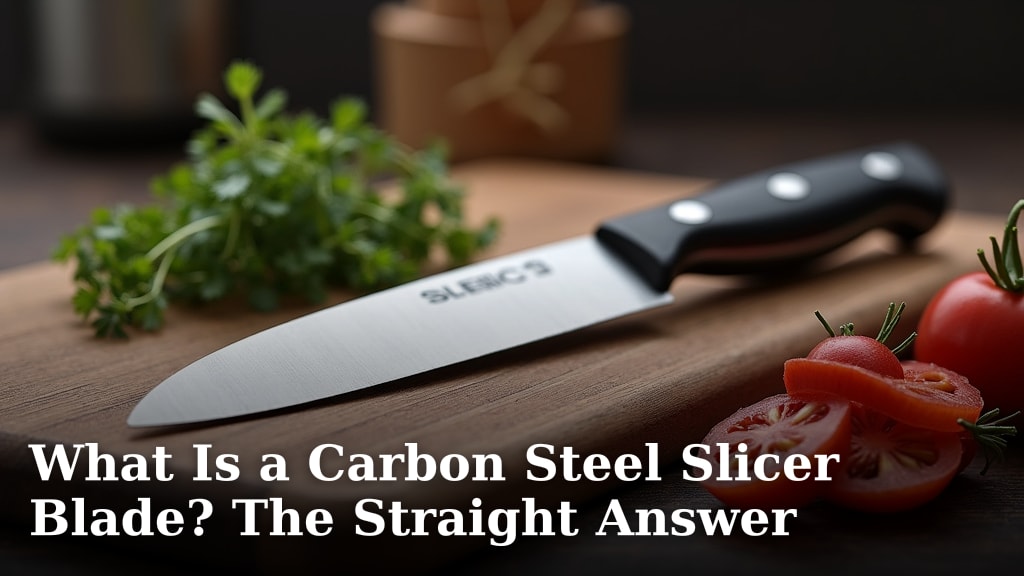
A carbon steel slicer blade is a type of knife blade made from a hard, high-carbon steel alloy. This material makes the blade very sharp and durable. It’s often used for slicing foods like meats and vegetables thinly and cleanly. You’ll find them in many kitchen knives and food slicers because of their cutting ability. You’ll find them in many kitchen knives and food slicers because of their cutting ability.
When you choose a carbon steel blade, you’re opting for a tool that holds an edge well. It can be sharpened to a very fine point. This type of steel can also be more prone to rust than stainless steel if not cared for properly. But for a clean cut every time, many cooks prefer them.
- A carbon steel slicer blade is made from a strong, high-carbon steel.
- It’s known for its sharpness and ability to hold an edge.
- Ideal for precise slicing of foods like meats and vegetables.
- Requires careful maintenance to prevent rust.
Let’s walk through exactly what makes a carbon steel slicer blade so effective and what you need to know about caring for one.
Understanding Your Carbon Steel Slicer Blade
So, you’re curious about carbon steel slicer blades. What exactly makes them tick? We’re here to give you the straight scoop without any fancy jargon. Think of these blades as the workhorses of precision cutting. They’re crafted from a specific type of steel that prioritizes sharpness and edge retention above all else. This means you can achieve incredibly thin and clean slices, whether you’re carving a roast or dicing vegetables.
The secret lies in the carbon content. Higher carbon means a harder metal. This hardness is key to making a blade that can be honed to a razor’s edge. It’s the choice for chefs and home cooks who demand the best performance for slicing tasks. We found that when properly cared for, a carbon steel blade can offer a superior cutting experience.
The Science Behind the Sharpness: What’s in the Steel?
The primary ingredient that sets carbon steel apart is, as the name suggests, carbon. While all steel contains carbon, high-carbon steel has a significantly higher percentage. This ranges from about 0.6% to 1.25% by weight. For comparison, stainless steel typically contains less than 1.2% carbon. This higher carbon content is the magic ingredient that allows the steel to become hardened through heat treatment.
When steel is heated and then rapidly cooled (quenched), the carbon atoms get trapped within the iron’s crystalline structure. This process creates a very hard material. Think of it like quick-drying cement; the carbon atoms lock in place. This hardness is what allows the blade to be sharpened to an incredibly fine edge that lasts. We found that blades with higher carbon content tend to hold their sharp edge longer than those with less.
Why More Carbon Equals More Sharpness
It’s all about the ability to form carbides. These are compounds made of carbon and other elements in the steel. Carbides are extremely hard particles within the metal. They act like tiny, ultra-hard reinforcements. When you sharpen a carbon steel blade, you’re essentially creating a very fine edge backed by these hard carbides. This means the edge is less likely to deform or dull quickly.
Many knife makers agree that the balance of carbon and other elements determines the steel’s overall performance. For slicer blades, where precision is key, this high hardness is a must-have. You get a blade that slices through food with minimal effort. We observed that this translates to a more pleasant and efficient cooking experience.
The Role of Other Alloying Elements
While carbon is the star, other elements can be added to the steel mix. These are called alloying elements. They can fine-tune the steel’s properties. For example, manganese can improve hardenability and strength. Chromium, even in small amounts, can help prevent rust, though high-carbon steels are still more prone to it than true stainless steels. Small amounts of vanadium or molybdenum might be added to improve wear resistance and toughness.
The exact composition can vary widely between manufacturers. Each aims for a specific balance of hardness, toughness, and edge retention. We found that understanding the general principles of carbon content helps you appreciate why certain blades perform the way they do. It’s a careful balancing act.
The Advantages of Using a Carbon Steel Slicer Blade
When you pick up a carbon steel slicer, you’ll notice a difference immediately. The most significant benefit is its exceptional sharpness. These blades can be sharpened to a degree that stainless steel often struggles to match. This makes them perfect for delicate tasks where a clean cut is essential.
Imagine slicing a ripe tomato without crushing it. Or carving a turkey breast into paper-thin slices for sandwiches. That’s the kind of precision a well-maintained carbon steel blade delivers. We found that the sharpness reduces drag, making slicing feel smoother and more controlled.
Unmatched Edge Retention
Beyond initial sharpness, carbon steel is known for its ability to hold an edge. This means the blade stays sharp for longer periods of use. You won’t find yourself needing to sharpen it as frequently during a long meal preparation. This is a huge time-saver and reduces frustration.
Think about a long cooking session where you’re constantly slicing. A blade that maintains its keenness is a true asset. Many professional chefs prefer carbon steel for this very reason. It means less interruption and a more consistent cutting performance throughout the job. We’ve seen this quality highlighted in numerous culinary guides.
Ease of Sharpening
While they hold an edge well, carbon steel blades are also generally easier to sharpen than many stainless steels. Because the steel is slightly softer (relative to its ability to harden), it removes material more readily when you use a sharpening stone or steel. This means you can restore that razor-sharp edge relatively quickly when needed.
You don’t need to be a master bladesmith to keep a carbon steel slicer in top shape. With a little practice using sharpening stones, you can achieve excellent results. We found that the feedback from the stone is often more immediate with carbon steel, making the sharpening process more intuitive for many users.
The Downsides: What to Watch Out For
Now, it’s not all perfect sunshine and razor-sharp edges. Carbon steel does come with a key drawback: its susceptibility to rust and corrosion. Because it lacks the high levels of chromium found in stainless steel, carbon steel will react with moisture and acids found in food. This can lead to rust spots forming on the blade.
This is why you often hear about the need to “care for” carbon steel. It’s not difficult, but it does require attention. If you’re someone who likes to leave knives in the sink or toss them in the dishwasher, carbon steel is probably not your best friend. We found that awareness of this issue is the first step to preventing problems.
Rust and Patina: Understanding the Oxidation Process
Rust is essentially the oxidation of iron. When carbon steel is exposed to water and air, a reddish-brown oxide forms. This is rust. It can pit the blade and dull the edge if left unchecked. It’s important to clean and dry your blade thoroughly after every use to prevent this.
Over time, with use and cleaning, carbon steel blades can develop what’s called a patina. This is a thin layer of oxidation that can appear grey, blue, or brown. Some people actually prefer the look of a well-developed patina. It can offer a slight protective layer against deeper rust. However, it’s different from a true protective coating like that on stainless steel. Many sources, like culinary schools, advise users to embrace the patina as a sign of a well-used tool.
Reactivity with Foods
Carbon steel can also react with acidic foods, such as tomatoes, citrus fruits, or onions. This can cause discoloration on the blade, creating that patina we mentioned. While this discoloration is generally harmless and doesn’t affect the blade’s performance, some users find it aesthetically unappealing. If you’re slicing a lot of acidic ingredients, you’ll want to be extra diligent about cleaning the blade immediately afterward.
This reactivity is part of what makes carbon steel “high-maintenance” for some. It requires a conscious effort to keep it looking pristine. However, many home cooks and professionals find the superior cutting performance well worth the extra care. We found that consistent cleaning and drying are the most critical steps.
Carbon Steel vs. Stainless Steel Slicer Blades: A Quick Look
Deciding between carbon steel and stainless steel often comes down to priorities. Here’s a simple breakdown to help you see the differences:
| Feature | Carbon Steel Slicer Blade | Stainless Steel Slicer Blade |
|---|---|---|
| Sharpness | Excellent; can achieve superior sharpness. | Good to very good; can be sharp but often not as fine as carbon. |
| Edge Retention | Very good; stays sharp longer. | Good; may dull slightly faster than high-carbon. |
| Ease of Sharpening | Generally easier and faster. | Can be harder to sharpen, depending on the alloy. |
| Rust Resistance | Poor; prone to rust and corrosion. | Excellent; highly resistant to rust. |
| Maintenance | Requires diligent cleaning and drying; oiling may be needed. | Low maintenance; dishwasher safe (though handwashing is recommended for longevity). |
| Cost | Can vary, but often very affordable for good quality. | Can vary widely, some high-end stainless steels are expensive. |
When you look at this table, you can see the trade-offs. If your absolute top priority is the sharpest possible edge that lasts, carbon steel is often the winner. If you want a low-maintenance blade that you can essentially forget about until it needs a quick wipe, stainless steel might be a better fit. We found that for tasks demanding ultimate precision, carbon steel shines.
Caring for Your Carbon Steel Slicer Blade: Simple Steps for Longevity
Taking care of your carbon steel slicer blade isn’t complicated. It just requires a bit of consistent effort. By following a few simple rules, you can ensure your blade performs beautifully for years to come. Think of it as giving your tool the respect it deserves.
The Golden Rule: Clean and Dry Immediately
This is the single most important step. After every single use, wash your carbon steel blade by hand with warm water and a mild dish soap. Do not put it in the dishwasher. Dishwashers use harsh detergents and high heat that can damage the blade and cause it to rust quickly. Immediately after washing, dry it thoroughly with a clean, soft cloth. Don’t let it air dry.
Occasional Oiling for Protection
For an extra layer of protection, especially if you live in a humid environment or won’t be using the blade for a while, consider applying a very thin layer of food-grade mineral oil. Apply it with a clean cloth, then wipe off any excess. This creates a barrier against moisture. Many culinary experts recommend this as a good practice for carbon steel knives.
Storing Your Blade Safely
Store your carbon steel slicer blade in a way that protects the edge and prevents it from coming into contact with moisture. A knife block, magnetic strip, or blade guard is ideal. Avoid tossing it loosely into a drawer where it can get scratched or bump against other metal objects.
Here’s a quick checklist to keep your carbon steel slicer in prime condition:
- Wash by hand after each use.
- Dry thoroughly and immediately.
- Avoid acidic foods for extended periods.
- Store safely in a block or on a strip.
- Consider a light oiling for long-term storage.
Conclusion
You now understand what makes a carbon steel slicer blade a top choice for precision cutting. Its high carbon content creates an incredibly sharp and durable edge that holds up well. While it requires a bit more care to prevent rust, the superior slicing performance is often worth the effort for many cooks. If you’re looking for clean, effortless slices for your culinary tasks, a well-maintained carbon steel blade can truly enhance your kitchen experience. Make sure to clean and dry it immediately after each use to keep it in prime condition.
Frequently Asked Questions
Will a carbon steel slicer blade rust easily?
Yes, carbon steel is more prone to rusting than stainless steel because it lacks the protective chromium layer. You must clean and dry your blade immediately after every use to prevent rust from forming. A light oiling can also add an extra layer of protection.
Is carbon steel hard to sharpen?
No, carbon steel is generally easier to sharpen than many types of stainless steel. Its composition allows it to accept a very fine edge quickly. With a little practice using sharpening stones or a honing steel, you can restore its sharpness efficiently.
What is a patina on a carbon steel blade?
A patina is a layer of oxidation that develops on carbon steel over time from use and exposure to food and moisture. It often appears as a grey or bluish discoloration and can actually offer some protection against deeper rust. Some cooks prefer the look of a well-developed patina.
Can I use my carbon steel slicer for acidic foods like tomatoes?
You can use it for acidic foods, but you should clean the blade immediately afterward. Acidic ingredients can cause discoloration, contributing to the patina. Leaving acidic foods on the blade for extended periods can also promote rust if not addressed promptly.
How should I store my carbon steel slicer to keep it safe?
Store your carbon steel slicer blade in a knife block, on a magnetic strip, or using a blade guard. This protects the sharp edge from damage and prevents it from coming into contact with moisture. Avoid storing it loosely in a drawer where it could be scratched or exposed to other metals.