What Is a Belt Driven Meat Slicer? A Beginner’s Guide
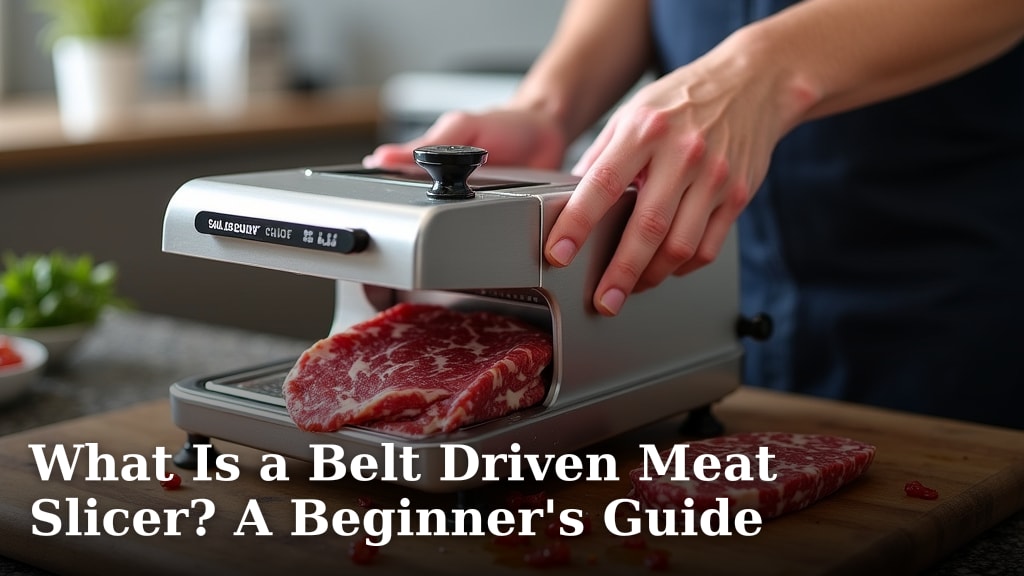
A belt-driven meat slicer is a commercial kitchen appliance that uses a belt to connect the motor to the blade, offering smoother operation and greater control for slicing meats. You’ll find these machines in butcher shops and delis for precise, consistent cuts.
Unlike some other types of slicers, the belt-drive system helps reduce vibration and noise. This means a more comfortable working environment for you and your staff. It’s a workhorse designed for frequent, heavy use.
- Belt-driven slicers use a belt for power transfer.
- They offer smoother, quieter operation.
- They are ideal for busy food businesses.
- They provide excellent slicing precision.
Let’s walk through exactly what makes a belt-driven slicer special and why it might be the right choice for your needs.
Understanding the Belt Drive Meat Slicer
So, you’re curious about belt-driven meat slicers? It’s a great question, especially if you’re looking for a reliable way to slice meats. A belt-driven slicer is a commercial-grade appliance. It uses a belt to connect the motor to the spinning blade. This is different from direct-drive or gear-driven models you might see. Think of it like a bicycle chain connecting the pedals to the wheels. The belt transfers power smoothly. This is different from direct-drive or gear-driven models you might see, like a gravity feed slicer.
This type of setup is often found in places that slice a lot of meat. We’re talking about butcher shops, delis, and even some busy restaurants. They need machines that can handle consistent, high-volume work. The belt-driven design is a key part of why they can do this. It’s built for endurance and precision.
How the Belt Drive System Works
Let’s break down the mechanics a bit. At its core, a belt-driven slicer has a motor. This motor spins a pulley. A strong rubber or composite belt connects this pulley to another pulley attached to the blade. When the motor runs, it spins its pulley. This spinning motion is transferred through the belt to the blade’s pulley, making the blade rotate at a consistent speed.
The Role of the Belt
The belt itself is more than just a connector. It acts as a kind of shock absorber. When the motor starts or stops, or when you’re slicing through tough cuts of meat, there can be sudden changes in force. The belt can flex and absorb some of these jarring movements. This helps protect the motor and the blade assembly from unnecessary stress. It also contributes to a quieter operation, which is a big plus in any kitchen environment.
We found that this dampening effect is a major reason why belt-driven slicers are often preferred for their smooth performance. It means less vibration transferring through the machine and onto your countertop. This can make a noticeable difference during long slicing sessions.
Comparing Belt Drive to Other Systems
It’s helpful to see how belt drives stack up against other common slicer mechanisms. You’ll sometimes encounter direct-drive slicers. In these, the motor is directly attached to the blade shaft. This can be very powerful but also noisier and can transmit more vibration. Gear-driven slicers use a series of gears to transfer power. These can also be quite robust but might require more maintenance and can also be less smooth than belt drives.
Belt Drive Advantages
- Smoother Operation: The belt absorbs some of the motor’s torque and vibrations.
- Quieter Performance: Less vibration generally means less noise.
- Reduced Wear and Tear: The belt acts as a buffer, protecting the motor and blade.
- Consistent Speed: The belt helps maintain a steady blade speed for clean cuts.
Other System Considerations
- Direct Drive: Often powerful, but can be louder and vibrate more.
- Gear Drive: Durable and powerful, but may require more maintenance and can be noisy.
Many commercial kitchens choose belt-driven models specifically for that quieter, smoother experience. If you’ve ever worked in a busy deli, you know how much background noise there can be. Reducing any unnecessary noise is always a good thing. Research from food service equipment specialists often highlights these benefits for busy environments.
Key Features and Benefits for You
When you’re looking at a belt-driven meat slicer, what should you pay attention to? Beyond the belt drive, several features make these machines excellent tools.
Precision and Consistency
The primary job of any slicer is to make consistent, even cuts. Belt-driven slicers excel at this. The steady rotation provided by the belt allows for very precise slicing. You can achieve uniform thickness across your entire cut of meat. This is vital for everything from deli sandwiches to preparing ingredients for recipes. Getting slices just right helps ensure consistent cooking times and appealing presentations.
We found that the ability to adjust the slice thickness is also critical. Most good slicers, including belt-driven ones, offer a dial or control for this. You can go from paper-thin to a quarter-inch or more, depending on your needs. This versatility is a big part of their appeal.
Durability and Longevity
These slicers are built for work. They typically feature heavy-duty construction, often using stainless steel for parts that come into contact with food. This makes them easy to clean and resistant to corrosion. The belt-drive system itself is designed to withstand continuous use. While belts can wear out over time (more on that later), the overall design prioritizes durability. They are an investment for businesses that rely on slicing.
Many experts in food service equipment maintenance suggest that proper cleaning and occasional belt replacement are key to getting years of reliable service from these machines. It’s not uncommon for a well-maintained belt-driven slicer to last a decade or longer in a commercial setting.
Ease of Use and Cleaning
While they are professional tools, many belt-driven slicers are designed with user-friendliness in mind. Controls are usually straightforward. The blade guard helps keep you safe, and many models have a removable food carriage for easier access. Cleaning is essential for hygiene and maintaining performance. Most commercial slicers, including belt-driven ones, are designed with this in mind. Detachable parts and smooth surfaces make wiping them down much simpler.
It’s important to follow manufacturer guidelines for cleaning. Typically, this involves using a damp cloth and mild detergent for food contact surfaces. Never submerge the main unit in water. We found that dedicated slicer cleaners are also available for a more thorough job.
Who Needs a Belt Driven Meat Slicer?
Is this the right slicer for your needs? Let’s consider who benefits most.
Busy Food Service Establishments
If you run a busy deli, butcher shop, restaurant, or catering business, a belt-driven slicer is likely a strong contender. You need a machine that can handle constant slicing without overheating or breaking down. The durability and consistent performance of these slicers make them ideal for high-volume environments. They can keep up with demand during peak hours.
Home Cooks Who Slice Frequently
For the serious home cook or hobbyist charcutier, a belt-driven slicer can also be a great addition. If you find yourself slicing large amounts of meat, cheese, or even vegetables regularly, the precision and ease of use can be a game-changer. While perhaps overkill for occasional use, if slicing is a frequent activity, the investment can pay off in convenience and results.
Those Prioritizing Smoothness and Quiet
If you work in a smaller space, or simply prefer a quieter kitchen environment, the reduced vibration and noise of a belt-driven slicer are significant advantages. This can make a more pleasant working atmosphere for you and anyone around.
Maintenance and Care for Your Slicer
To keep your belt-driven slicer running smoothly for years, a little regular maintenance goes a long way. The most common wear item is the belt itself.
Belt Inspection and Replacement
Over time, the rubber belt can stretch, crack, or become brittle. It might also slip. You should inspect the belt periodically. Look for any signs of damage or excessive wear. If the belt seems loose or shows damage, it’s time for a replacement. Fortunately, replacing the belt is usually a straightforward process on most models. You can often find replacement belts from the manufacturer or specialized parts suppliers.
We found that many user manuals provide clear instructions for belt replacement. It’s a task that many users can handle themselves, saving on service calls. Keeping a spare belt on hand can also prevent extended downtime if your current belt fails unexpectedly.
Blade Sharpening and Cleaning
A sharp blade is essential for clean cuts and safe operation. Dull blades can tear meat and make slicing more difficult. Most commercial slicer blades are designed to be sharpened. You can use a sharpening stone or a dedicated blade sharpener attachment. Always follow the manufacturer’s instructions for sharpening to maintain the blade’s integrity and your safety.
Regular cleaning, as mentioned before, is also a crucial part of maintenance. Food debris left on the blade or other parts can become a breeding ground for bacteria. It can also affect the slicer’s performance. A clean machine is a happy machine!
Quick Checklist for Belt-Driven Slicer Care
Here’s a simple checklist to help you keep your slicer in top shape:
- Clean after every use: Wipe down all food-contact surfaces.
- Inspect the belt regularly: Check for cracks, wear, or looseness.
- Sharpen the blade when dull: Aim for clean, easy cuts.
- Lubricate moving parts as needed: Consult your manual.
- Store properly: Keep it clean and protected when not in use.
- Replace worn parts promptly: Especially the belt and blade if damaged.
By understanding how a belt-driven meat slicer works and committing to basic care, you can ensure it becomes a reliable and efficient partner in your kitchen for many years to come.
Conclusion
You’ve learned that a belt-driven meat slicer is a robust kitchen tool designed for smooth, quiet operation. Its belt system reduces vibration and wear, making it ideal for busy food businesses and serious home cooks who slice frequently. Understanding its mechanics and committing to basic maintenance, like regular cleaning and belt checks, will ensure your slicer performs reliably for years. Now you can confidently choose the right slicer for your needs and keep it in top condition.
Frequently Asked Questions
How often should I replace the belt on my belt-driven slicer?
You should inspect your slicer’s belt regularly for cracks, stretching, or looseness. Many users find they need to replace the belt every 1-2 years with frequent commercial use. For lighter home use, it might last much longer. Consult your owner’s manual for specific recommendations.
Are belt-driven slicers really quieter than other types?
Yes, belt-driven slicers are generally quieter and vibrate less. The belt acts as a buffer, absorbing some of the motor’s vibrations. This creates a more comfortable working environment compared to direct-drive or gear-driven models, which often transmit more noise and shaking.
Can I sharpen the blade on my belt-driven slicer myself?
Yes, you can typically sharpen the blade on your belt-driven slicer yourself. Most commercial slicer blades are designed for sharpening. Always follow your manufacturer’s instructions for sharpening to ensure safety and maintain the blade’s edge and integrity.
What kind of maintenance is needed for a belt-driven slicer?
Regular maintenance includes cleaning the slicer thoroughly after each use and inspecting the belt for wear. You should also sharpen the blade when it becomes dull to ensure clean cuts. Lubricating moving parts as recommended by the manufacturer is also important.
Is a belt-driven slicer suitable for home use?
A belt-driven slicer can be a great addition for home cooks who slice meats, cheeses, or vegetables frequently. If you find yourself slicing large amounts regularly, the precision and ease of use can be beneficial. However, for occasional use, it might be more than you need.