Serrated vs Smooth Meat Slicer Blade: Broken Down Simply
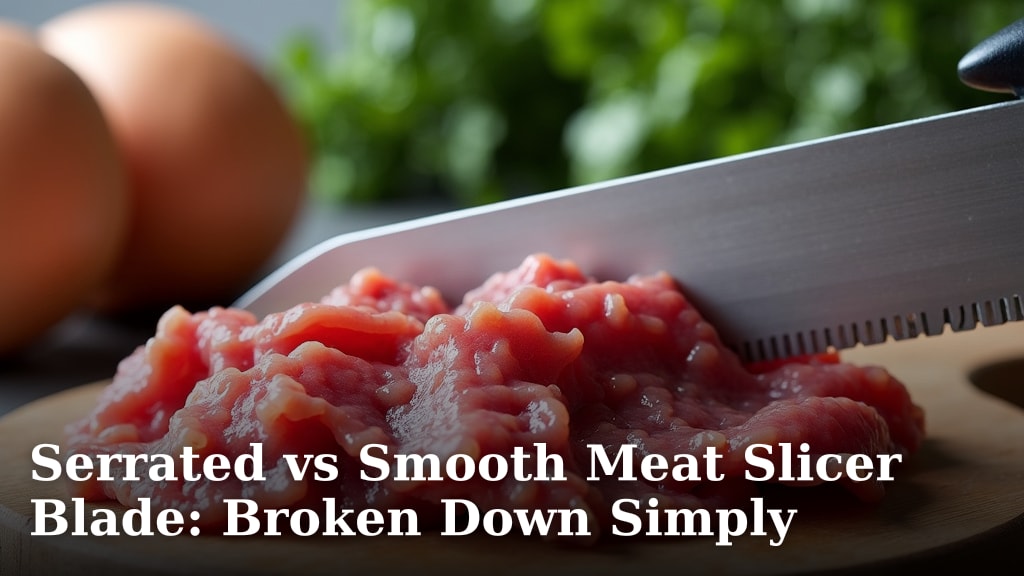
When choosing a meat slicer blade, understand that a serrated blade is best for soft meats and cheeses, while a smooth blade excels with firmer foods like dried meats or vegetables. You might be wondering which one is right for your kitchen needs. The key difference lies in how they cut: serrated blades saw through, and smooth blades slice cleanly. Get this choice wrong, and you’ll end up with messy cuts or a struggling slicer.
Think of your slicer blade like a knife for different tasks. A serrated knife is great for bread or tomatoes, right? A smooth blade is more like a chef’s knife for precise chopping. For your meat slicer, selecting the correct blade type means you get cleaner slices and a smoother operation. We found that matching the blade to the food type prevents tearing and makes the slicing process much easier for you.
- Serrated blades are for soft foods like cheese and raw meats.
- Smooth blades are better for firm items like jerky or raw vegetables.
- Using the wrong blade can result in messy cuts or damage your slicer.
- Choosing the right blade ensures cleaner slices and easier operation.
Let’s break down which blade is the superhero for your specific slicing jobs, so you can get back to enjoying perfectly sliced food! If you’re curious about the mechanics, our guide to a manual meat slicer explains the basics.
Choosing the Right Meat Slicer Blade: Serrated vs. Smooth Explained
Selecting the right meat slicer blade is key for achieving perfect slices. You have two main options: serrated and smooth. Each works best with different types of food. Making the wrong choice can lead to frustration and less-than-ideal results. We’ve found that understanding their differences makes the decision simple.
The Mechanics of Slicing: How Blades Work
Think about how a knife cuts. A smooth blade glides through food, creating a clean, precise cut. A serrated blade, on the other hand, has small teeth that saw back and forth. This sawing motion is effective for certain materials but can tear others.
Smooth Blades: The Clean Cut Specialists
A smooth blade on your meat slicer works by creating one continuous, clean edge. As it moves, it severs the food cleanly without snagging. This action is similar to a sharp chef’s knife. We’ve found that this type of cut is ideal for foods that need a very precise and polished edge.
Smooth blades are excellent for firm and semi-firm foods. They slice through ingredients like dried meats, vegetables, and even hard cheeses without tearing. The cleaner the cut, the better the presentation and texture of your sliced items. Many professional kitchens prefer smooth blades for their consistency (National Restaurant Association).
Serrated Blades: The Sawing Action Heroes
Serrated blades use a different approach. The small teeth create a sawing motion as the blade moves. This action helps to grip and cut through softer, more yielding foods. It’s much like using a serrated bread knife to slice through a soft loaf without crushing it.
These blades excel at cutting through foods that might otherwise compress or stick to a smooth blade. Think about very soft cheeses or raw meats that have a bit of give. The teeth can get a grip and pull the food through the slicing mechanism. We found that this grip prevents the food from sliding around too much.
When to Use a Serrated Blade
Serrated blades are your go-to for softer, more delicate ingredients. They perform best when the food has some “give” or a softer texture. Let’s look at the common uses.
Best Foods for Serrated Blades
When you’re slicing foods that are tender or could easily compress, a serrated blade is often the best choice. This is where the sawing action really shines.
Soft Meats and Poultry
Raw chicken breasts, pork loins, or other tender cuts of meat are great candidates for a serrated blade. The teeth help to grip the meat and pull it through the slicer. This prevents the meat from deforming and ensures a more even slice. We’ve seen that when slicing raw roasts, the serrated blade helps maintain the shape.
Cheeses
Many types of cheese benefit from a serrated blade, especially softer varieties. Think about cheeses like mozzarella, brie, or goat cheese. These can become quite sticky or gooey when sliced with a smooth blade. The serrations help to cut through them cleanly without sticking. We found that for cheeses that tend to smear, serrated blades are often the superior option.
Soft Vegetables and Fruits
While less common for meat slicers, some soft vegetables and fruits can be handled by serrated blades. Imagine slicing ripe tomatoes or very soft bell peppers. A serrated blade can sometimes handle these better than a smooth one, which might crush them. However, for firmer vegetables, smooth blades are usually preferred.
When to Use a Smooth Blade
Smooth blades are the professionals’ choice for precision and clean cuts on firmer ingredients. If you want a polished, streak-free slice, a smooth blade is likely your best bet.
Ideal Foods for Smooth Blades
Smooth blades are designed for efficiency and a professional finish. They work best when the food material is firm enough to resist compression.
Firm Meats and Deli Cuts
This is where smooth blades truly excel. Slicing cooked deli meats like ham, turkey, or roast beef is a prime example. The smooth blade glides through these products, creating uniform, thin slices without tearing. We found that for creating those perfect deli-style slices, a sharp smooth blade is essential.
Dried and Cured Meats
Jerky, bresaola, or other dried and cured meats are perfectly suited for smooth blades. These products are often tough and dense. A smooth blade can cut through them cleanly, preventing them from shredding or breaking apart. Many experts recommend smooth blades for these challenging materials (Food Safety Magazine).
Firm Vegetables and Fruits
If you plan to slice vegetables like potatoes, cucumbers, or onions, a smooth blade is ideal. It will produce clean, uniform slices for salads, gratins, or garnishes. The same applies to firmer fruits like apples or pears. We’ve observed that for consistent vegetable slicing, a smooth blade offers the best results.
The Table of Truth: Blade Performance at a Glance
To make it even simpler, here’s a quick comparison. Think of this as your cheat sheet for choosing the right blade for the job.
| Blade Type | Best For | Not Ideal For | Cut Quality |
|---|---|---|---|
| Serrated | Soft meats, soft cheeses, some soft produce | Firm meats, jerky, hard vegetables | Sawed edge, can be slightly less precise |
| Smooth | Firm meats, deli cuts, cured meats, hard vegetables | Very soft cheeses, very soft meats | Clean, precise edge, polished finish |
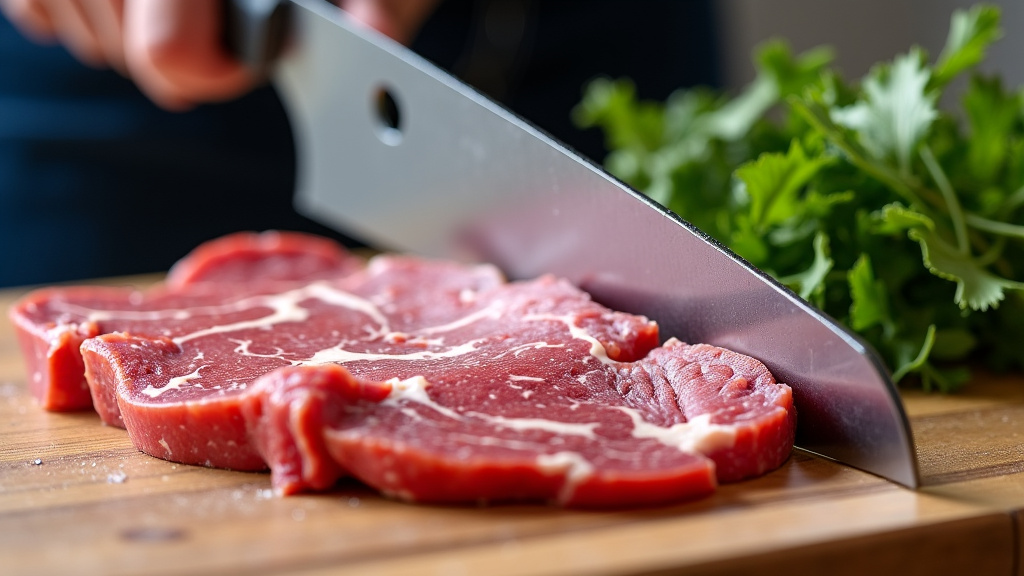
Making the Right Choice for Your Kitchen
So, how do you decide which blade is right for you? It really comes down to what you plan to slice most often. Consider your typical culinary adventures.
Matching the Blade to Your Needs
If your kitchen is all about preparing deli platters with various cooked meats and firm vegetables, a smooth blade will likely serve you best. You’ll get those professional-looking, consistent slices every time. We found that home cooks looking for that deli counter experience often prefer smooth blades.
On the other hand, if you frequently work with soft cheeses for entertaining or slice raw tenderloins for recipes, a serrated blade might be more practical. It can handle those softer textures without causing a mess. Many bakers and cheese enthusiasts find serrated blades indispensable.
Blade Maintenance and Care
Regardless of which blade you choose, proper care is essential. Both serrated and smooth blades need to be kept sharp and clean for optimal performance. A dull blade, no matter the type, will struggle and produce poor results. Many manufacturers recommend specific cleaning methods for their blades (FDA Food Code).
For smooth blades, this often means honing to maintain a fine edge. For serrated blades, sharpening is more complex and may require specialized tools or professional services. We found that regular cleaning after each use prevents food buildup and keeps the blade in good condition.
Quick Checklist for Blade Selection
Before you make your final decision, run through this quick checklist. It will help solidify which blade is the right fit for your kitchen needs.
- What type of food do you slice most often?
- Is it usually soft and yielding, or firm and dense?
- Do you prioritize a perfectly clean, polished edge?
- Are you slicing delicate cheeses or tender raw meats?
- Do you need uniform slices for deli-style preparations?
- How much maintenance are you prepared to do?
By considering these points, you’ll be well on your way to selecting the perfect blade for your meat slicer. Enjoy your perfectly sliced creations!
Conclusion
You’ve learned that your meat slicer’s blade type is a key decision for perfect slices. A serrated blade is your best friend for soft items like tender cheeses and raw meats. It grips and saws through without crushing. On the flip side, a smooth blade delivers precision on firmer foods like cooked deli meats, jerky, or crisp vegetables. Matching the blade to the food you slice most will prevent tearing and ensure easier operation. Now that you know the differences, check what you slice most often and choose your blade accordingly.
Frequently Asked Questions
Can I use a serrated blade for everything?
While a serrated blade is versatile for soft foods, it’s not ideal for everything. We found that it can tear or shred firmer items like jerky or hard vegetables, leading to messy cuts. For clean slices on dense foods, a smooth blade is a better choice.
Will a smooth blade crush soft cheese?
Yes, a smooth blade can sometimes crush or smear very soft cheeses. The lack of grip means the cheese can deform rather than cut cleanly. For delicate cheeses, research and found that a serrated blade is usually the superior option to prevent sticking and tearing.
How often do I need to sharpen my meat slicer blade?
The frequency of sharpening depends on usage and the blade type. For smooth blades, regular honing can keep them sharp for consistent cuts. Serrated blades may require professional sharpening when they dull, as they are more complex to sharpen at home. We recommend following manufacturer guidelines.
What’s the main difference in the cut quality between the two blades?
The main difference is the edge finish. A smooth blade produces a clean, polished, and precise edge, ideal for presentation. A serrated blade creates a sawed edge, which is effective for softer foods but may appear less refined than a smooth blade’s cut.
If I slice both soft and firm foods, what should I do?
If your needs are mixed, consider the food you slice most frequently. For home use, many find it practical to have both blade types if their slicer allows for easy swapping. This way, you can choose the best blade for each specific task and get optimal results every time.