What Is a Countertop Meat Slicer? A Beginner’s Guide

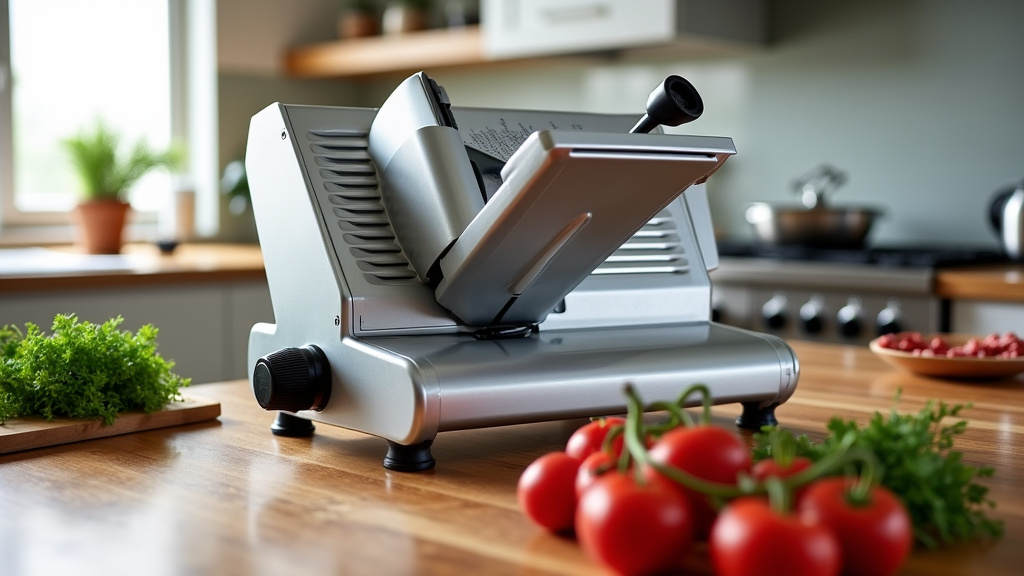
A countertop meat slicer is a kitchen appliance designed to slice meats and other foods into thin, uniform pieces. You typically find them in homes for preparing deli meats, roasts, or even cheeses. They make kitchen prep much easier and quicker for many recipes. Think of it as your personal deli counter right in your kitchen!
These slicers come in various sizes and power levels, from small home units to more robust models. They are a fantastic tool for anyone who cooks often or loves making their own charcuterie boards. You can achieve professional-looking results with just a little practice. We found many home cooks love them for slicing vegetables too.
- Countertop meat slicers cut food into thin slices.
- They are great for deli meats, roasts, and cheeses.
- You can also slice vegetables with them.
- They help you get professional results at home.
Let’s walk through exactly what a countertop meat slicer is and how it can benefit your kitchen.
Understanding Your Countertop Meat Slicer
So, what exactly is a countertop meat slicer? Simply put, it’s a kitchen appliance built to slice. Think of it like a professional deli slicer, but sized for your home kitchen. It uses a spinning blade to create consistent, thin slices of all sorts of foods. Many home cooks find it transforms meal prep. You can take a block of meat and turn it into perfect sandwich slices in minutes. It’s a real step up from using a regular knife for delicate slicing tasks.
How Does a Meat Slicer Work?
The basic design is pretty straightforward. You have a sharp, circular blade that spins at high speed. A food carriage moves back and forth, pressing the food against the spinning blade. You adjust a thickness knob to control how thin or thick your slices will be. It’s this controlled movement and sharp blade that give you those perfect, uniform cuts. Research shows that using a sharp blade is key to clean slicing (University of Illinois Extension).
The Main Components You’ll See
Most home slicers share common parts. You’ll see the blade, which is the most important piece. Then there’s the food carriage, where you place your food. The thickness adjustment lets you dial in your desired slice thickness. A motor powers the blade. Many also have a food pusher or deflector to help guide the food and protect your hands. Understanding these parts helps you use your slicer safely and effectively.
Why Would You Want a Countertop Meat Slicer?
You might be asking yourself if you really need one. Well, imagine preparing for a party or just a nice family dinner. You want those thinly sliced roast beef or turkey for sandwiches, or maybe some delicate slices of ham. Doing this by hand can be tricky and time-consuming. A meat slicer takes that struggle away. You get professional-looking results without the hassle.
Saving Money on Deli Meats
Buying pre-sliced deli meats from the store can add up quickly. We found that by purchasing larger cuts of meat and slicing them yourself, you can often save a significant amount of money. Plus, you control exactly what goes into your meat. No mystery additives or excessive sodium! This is a big win for budget-conscious shoppers and those focused on healthier eating.
Achieving Perfect Consistency
One of the biggest advantages is consistency. When you slice by hand, even experienced cooks can struggle to get perfectly even slices. This can affect how your food cooks and presents. A meat slicer ensures every slice is the same thickness. This uniformity is great for everything from sandwiches to recipes where even cooking is important. Think of a perfectly even slice of potato for a gratin.
Versatility Beyond Just Meat
While it’s called a meat slicer, its uses go far beyond just beef and poultry. Many home users find them fantastic for slicing other foods. Hard cheeses, like cheddar or parmesan, can be sliced thinly for charcuterie boards or toppings. Vegetables such as zucchini, potatoes, and onions can also be sliced for dishes like gratins, stir-fries, or even homemade chips. We found that users often report great success slicing fruits like apples or pears for pies.
Elevating Your Home Cooking and Entertaining
Want to make your own jerky? A meat slicer is essential for getting those thin, even strips. Planning a charcuterie board? You’ll want those paper-thin slices of prosciutto and salami. Even for everyday meals, having the ability to quickly slice ingredients adds a touch of professional flair. Your guests will be impressed with the quality of your homemade creations.
Key Features to Look For in a Home Meat Slicer
When you start looking at countertop meat slicers, you’ll see a range of options. What makes one better for your needs than another? It really comes down to a few key features that impact performance, safety, and ease of use.
Blade Size and Material
Blades typically range from 6.5 inches to 10 inches or more. A larger blade can handle bigger cuts of food and may slice faster. For most home use, a 7-inch to 8.5-inch blade is a good balance. Most blades are made of stainless steel. Some may have serrated edges, while others are smooth. Serrated blades are good for things like bread, but a smooth blade often gives a cleaner cut on meats and cheeses. Many experts recommend a smooth, high-carbon stainless steel blade for general use (Food Safety News).
Motor Power (HP)
The motor’s horsepower (HP) determines how easily the slicer can cut through tougher foods. Higher HP motors can handle dense meats or multiple slices without bogging down. For home use, motors often range from around 1/4 HP to 1/2 HP. A 1/3 HP motor is generally sufficient for most home cooking needs. If you plan on slicing a lot of frozen meats or very dense items regularly, you might consider a slightly more powerful motor.
Construction and Durability
What is the slicer made of? Many home models feature a combination of plastic and metal parts. Look for units with a sturdy base and a metal food carriage for better durability. Some higher-end models might have die-cast aluminum construction. The more metal parts you find, especially in areas that handle stress like the carriage track, the more robust the slicer will likely be. We found that reviews often mention build quality as a key factor in long-term satisfaction.
Ease of Cleaning
This is a big one! A slicer can get messy. Look for models with removable blades and food carriages that are easy to detach. Many slicers also have special cleaning features or guides. Some blades are dishwasher safe, but always check the manual. The Food and Drug Administration (FDA) recommends regular cleaning of all food contact surfaces to prevent contamination (FDA).
Safety Features
Safety should always be your top priority. Ensure the slicer has a stable base to prevent it from moving during operation. A food pusher with a guard is essential for protecting your fingers. Many slicers also have a switch that automatically turns off when you release it, or a lock to prevent accidental startup. Always read the owner’s manual carefully for specific safety instructions.
A Quick Comparison of Slicer Types
While most home slicers are countertop models, there are a few distinctions that might influence your choice. Here’s a simple look at what you might encounter:
| Type | Pros | Cons |
|---|---|---|
| Basic Home Slicer | Affordable, compact, easy to store | Less powerful motor, smaller blade, may struggle with tough meats |
| Heavy-Duty Home Slicer | More powerful motor, larger blade, better for frequent use and tougher foods | Larger footprint, higher cost, heavier |
Your Meat Slicer Checklist Before You Buy
Ready to find the perfect slicer? Keep these points in mind as you shop:
- Intended Use: How often will you use it? What will you slice most?
- Blade Size: Is it appropriate for the food you plan to slice?
- Motor Power: Will it handle your toughest slicing tasks?
- Build Quality: Does it feel sturdy and well-made?
- Safety Features: Are there adequate guards and stable operation?
- Cleaning Ease: Can you easily take it apart and clean it?
Conclusion
You’ve learned that a countertop meat slicer is a useful tool for any home kitchen. It can help you save money and achieve professional results. From slicing meats for sandwiches to preparing vegetables for a meal, its versatility is clear. By considering blade size, motor power, and safety features, you can find the right model for your needs. Making an informed choice means enjoying better meals and easier prep for years to come. Start by assessing your kitchen needs and then compare models to find your perfect match.
Frequently Asked Questions
Can I really save money by using a meat slicer at home?
Yes, you often can. Buying larger cuts of meat and slicing them yourself at home is generally more cost-effective than purchasing pre-sliced deli meats. You also have better control over the ingredients, which can be healthier.
Are meat slicers difficult to clean?
Cleaning is an important part of using a meat slicer. Most modern home models are designed for easier cleaning, often with removable blades and food carriages. Always check the manual, as some parts may be dishwasher safe, but handwashing is usually recommended for longevity.
What kinds of food can I slice besides meat?
You can slice many other foods too! Hard cheeses like cheddar and parmesan work well. Many vegetables, such as potatoes, zucchini, and onions, can be sliced for various dishes. Even some fruits can be sliced for pies or snacks.
Is a meat slicer safe for a beginner to use?
Yes, with proper precautions. Always read your slicer’s instruction manual carefully. Ensure the unit is stable, use the food pusher to protect your fingers, and never force the food. Practice with softer items first to get comfortable with the controls.
What size blade is best for home use?
For typical home use, a blade size between 7 and 8.5 inches is usually sufficient. This size balances handling common food items without taking up excessive counter space. Larger blades can handle bigger roasts but are often found on more professional or heavy-duty models.