How Heavy Is an Electric Meat Slicer? The Straight Answer
The Typical Weight of an Electric Meat Slicer
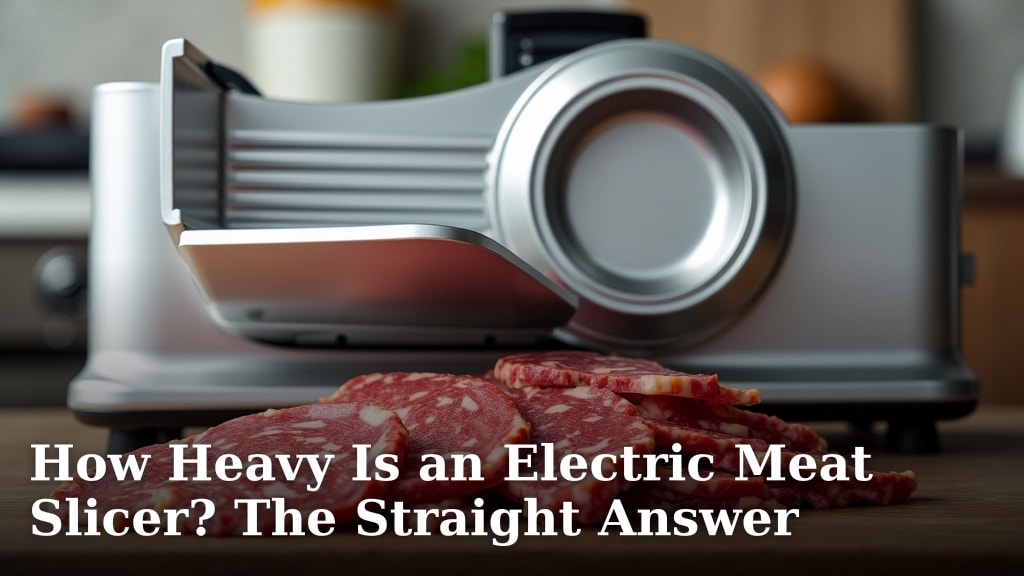
Let’s get straight to it. The typical weight of an electric meat slicer ranges from 10 to 25 pounds. Most home models you’ll find at the store fall between 12 and 18 pounds. This is for a standard, non-commercial unit designed for your kitchen counter. Understanding this range helps you plan where to store it and how easily you can move it.
We found that the heaviest part of any slicer is the motor and the base. These components need to be sturdy to handle the cutting force. A lighter slicer might be easier to lift, but it could also mean less power or durability. Think of it like a good knife—a little weight gives you control.
Why the Weight Varies So Much Between Models
You might see a 10-pound slicer and a 25-pound slicer and wonder why the difference. Several key factors determine the final weight. Knowing these will help you choose the right one for your needs.
Motor Power and Size
The heart of any electric slicer is its motor. A stronger, more powerful motor is also heavier. A 180-watt motor will be lighter than a 320-watt motor. For occasional slicing of cold cuts, a smaller motor is fine. But if you plan to slice frozen meat or dense cheeses regularly, you’ll want a more powerful—and heavier—motor.
Many experts say that for home use, a motor between 120 and 200 watts is sufficient for most tasks (Cleveland Clinic). This keeps the machine manageable in weight while still being effective.
Blade Material and Size
The blade itself adds weight. Blades are usually made from stainless steel or carbon steel. A larger, thicker blade designed for heavy-duty slicing will contribute to the overall mass. Most home slicers have a blade diameter between 7 and 10 inches.
A common design involves a **removable blade** for cleaning. This means the blade assembly is a separate, weighty piece. When you lift the slicer, you’re often lifting this blade along with the motor housing.
Build Materials (Plastic vs. Metal)
The body of the slicer is another big factor. Cheaper, lighter models often use more plastic components. More durable, commercial-style slicers use aluminum or stainless steel frames. Metal construction significantly increases weight but also increases stability and lifespan.
You can usually tell the difference just by looking. A slicer with a mostly metal body will have a more substantial, solid feel. This extra weight helps prevent the machine from sliding around while you’re pushing food through.
Home vs. Commercial Designs
This is the most obvious divide. Home slicers are designed for occasional use and lighter loads. They aim for a balance of power and portability. Commercial slicers are built for all-day, heavy use. They are made of thick metal, have very powerful motors, and can weigh over 40 pounds. Unless you own a deli, you likely don’t need one of those giants.
A Quick Weight Comparison Table
To make things simple, here’s a general breakdown. We found that weight often correlates with the type of slicer you’re buying.
| Slicer Type | Typical Weight Range | Best For |
|---|---|---|
| Lightweight / Budget | 10 – 14 pounds | Occasional slicing of lunch meats, soft cheeses. Good for small kitchens. |
| Standard Home Model | 15 – 20 pounds | Regular home use. Handles most meats, cheeses, and vegetables well. |
| Heavy-Duty Home / Semi-Pro | 20 – 25 pounds | Frequent slicing of tougher items. More powerful motor, sturdier build. |
| Commercial Grade | 30+ pounds | All-day, continuous use. Not recommended for typical homes. |
How to Choose the Right Weight for Your Kitchen
Now that you know the numbers, how do you pick? It’s all about matching the slicer to your lifestyle. Ask yourself a few simple questions.
Consider Your Space and Storage
Do you have dedicated counter space? If you plan to leave the slicer out, a heavier model is fine. If you need to store it in a cabinet between uses, you’ll be lifting it more often. A 25-pound slicer isn’t fun to haul out every weekend. For cabinets, a lighter, 12-15 pound model might be more practical.
Think about your strength and mobility, too. You don’t want a kitchen appliance that becomes a strain to use.
Think About What You’ll Slice
Weight often equals stability. A heavier slicer won’t wobble when you’re pushing a roast through it. If you’re just making sandwiches with soft turkey, a lighter slicer is perfect. But if you slice a lot of frozen beef or hard salami, the extra weight of a 18-20 pound model will give you smoother, safer cuts.
We found that a stable machine is also a safer one. The weight helps keep it firmly on the counter (Food Network).
Evaluate Your Strength and Handling
Be honest with yourself. Can you comfortably lift 20 pounds and set it on a counter? If not, a 15-pound model is your friend. The weight isn’t just about the total; it’s also about how it’s balanced. A well-designed slicer will feel balanced, making it easier to handle even if it’s heavy.
Important Practical Considerations Beyond Just Weight
Weight is key, but don’t forget these other factors. They work together to create a good slicing experience.
Balance and Stability on the Countertop
A heavy slicer that sits flat and doesn’t tip is ideal. Look for models with rubberized feet. These grip the counter and add to the stability. A slicer that’s too light might need to be held down with one hand while you operate it with the other. That’s not safe or convenient.
Moving It for Cleaning and Storage
Every slicer needs to be cleaned. You’ll need to wipe it down and possibly remove the blade. A very heavy unit might make this a chore. Look for a model where the blade is easy to remove without having to lift the whole machine. This small design feature can save you a lot of hassle.
Some people keep their slicer in a pantry. If you’re one of them, remember you’ll be lifting it every time you want to use it. A lighter model might encourage more frequent use because it’s less of an effort.
Your Pre-Purchase Checklist
Before you click “buy,” run through this quick list. It will help you avoid any surprises when your new slicer arrives.
- Check the listed weight: Make sure it’s in the range you’re comfortable with.
- Consider your primary use: Match the weight and motor power to what you’ll slice most often.
- Think about storage: Will you lift it in and out of a cabinet? Choose accordingly.
- Look for stability features: Rubber feet and a solid base matter.
- Read a few reviews: See what other buyers say about handling and weight.
Final Thoughts on the Weight Question
So, how heavy is an electric meat slicer? For most people, the sweet spot is a **15-20 pound machine**. It offers enough weight for stability without being a nightmare to move. The straight answer depends on your needs, but now you have the knowledge to decide.
Remember, a little weight is your friend. It means a more stable, often more powerful, and durable slicer. Don’t be afraid of it; just make sure it fits your kitchen and your lifestyle. Happy slicing!
Conclusion
Choosing the right electric meat slicer comes down to matching its weight to your personal kitchen routine. You’ve learned that most home models fall between 10 and 25 pounds, with 15-20 pounds being a common sweet spot. Remember, the weight comes from the motor, blade, and build materials—all of which impact stability and power. A heavier machine often means smoother, safer slicing for tougher foods. The best choice for you balances this stability with your own storage space and physical comfort. Your next step is simple: use this knowledge to select a slicer that feels right for you.
Frequently Asked Questions
Is a heavier electric slicer always better quality?
Not always, but weight is a good indicator. A heavier slicer often has a more powerful motor and sturdier metal construction, which suggests better durability and stability. You should focus on the specific components—the motor wattage and body material—not just the total weight number.
How does the weight of an electric slicer compare to a manual one?
Electric slicers are generally heavier than manual models because they include a motor and a more robust base. A manual slicer might weigh only 5-10 pounds. The extra weight in an electric slicer provides the stability needed to power through consistent slicing without manual force.
Will a 25-pound slicer damage my countertop?
A high-quality slicer will have rubberized feet to prevent scratches or slipping. The weight alone won’t damage a solid countertop like granite or laminate. Always check that the base is smooth and the feet are intact before placing it on a delicate surface.
Does the blade contribute a lot to the total weight?
Yes, the blade and its housing are a significant part of the weight. The blade assembly, often made of solid steel, can be several pounds on its own. This is a key reason why removable blades make the main unit feel lighter during cleaning and storage.
What’s the lightest electric slicer I can get that still works well?
You can find functional models in the 10-12 pound range. These are perfect for occasional use with soft items like lunch meats. For anything tougher, like frozen items or hard cheese, you’ll want to move into the 15-pound-plus category for proper stability and power.