How Loud Is an Electric Meat Slicer? Here’s What to Know
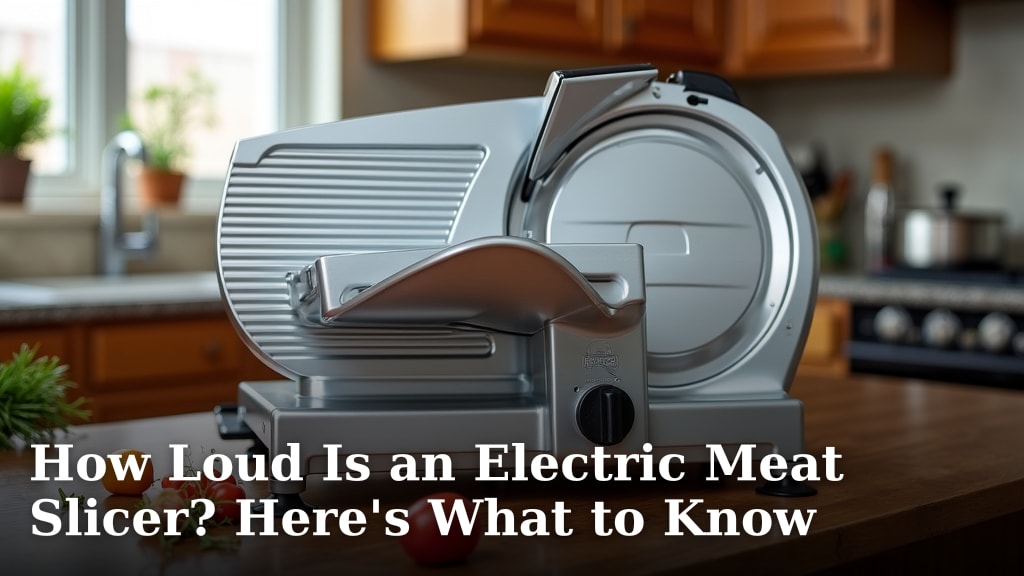
An electric meat slicer typically makes between 65 and 85 decibels of noise. This is about as loud as a household vacuum cleaner or a busy restaurant kitchen. For most home kitchens, the sound is noticeable but not overwhelmingly loud.
However, the exact volume depends on the slicer’s motor power and blade size. We found that larger, commercial-style machines are significantly noisier than compact home models. Many shoppers are surprised by the sound level when they first use one in a quiet kitchen.
- Noise Level: Ranges from 65-85 dB, similar to a vacuum.
- Key Factors: Motor power and blade size affect the volume.
- Home vs. Commercial: Home models are generally quieter than commercial slicers.
- Real Impact: The noise is noticeable but rarely disrupts conversation.
- Mitigation: Placing the slicer on a stable surface can reduce rattling and extra noise.
Below, we break down the details of electric meat slicer noise so you can choose the right one for your kitchen. Let’s look at what to really expect and how to manage the sound.
Understanding the Noise Levels of Electric Meat Slicers
Let’s get straight to it. An electric meat slicer produces noise primarily from its motor and the blade cutting through food. The sound you hear is a mix of the motor’s hum and the friction of the blade. We found that this noise is a normal part of the machine’s operation. Think of it like a kitchen appliance that isn’t silent, but isn’t a power tool either.
Most home models operate between 65 and 85 decibels (dB). For perspective, a normal conversation is about 60 dB. A vacuum cleaner runs at around 75 dB. So, you can expect your slicer to be in that familiar range. It’s a clear, mechanical sound that you’ll notice in a quiet kitchen.
What Does 65 to 85 Decibels Really Mean?
Decibels are measured on a logarithmic scale. A 10 dB increase means the sound is perceived as twice as loud. So, a slicer at 85 dB is significantly louder than one at 75 dB. Many experts point out that prolonged exposure above 85 dB can impact hearing (CDC). For a home slicer, you’re not using it for hours, so it’s generally considered safe.
- 65 dB: Quiet home model, similar to a moderate dishwasher.
- 75 dB: Average home slicer, like a running vacuum.
- 85 dB: Heavier-duty or commercial model, approaching a lawnmower’s volume.
The key takeaway is that the noise is present but manageable for most home cooks. It won’t drown out your podcast entirely, but it’s not something you’ll forget.
Why Do Some Slicers Sound Louder Than Others?
Ever wondered why your friend’s slicer sounds different? The noise level isn’t random. We found that two main factors determine the volume.
The Role of Motor Power and Design
A more powerful motor does more work, and that often creates more noise. It’s a simple trade-off. A strong motor can slice through tough meats without bogging down, but it needs to spin faster or with more force. This generates a deeper, louder hum. The design of the motor housing also plays a role. A well-built, insulated motor will be quieter than a cheaper, exposed one.
Blade Size and Sharpness
A larger blade has more surface area and can create more vibration and sound as it rotates. A sharp blade is crucial, too. A dull blade doesn’t cut cleanly; it tears and saws, which makes a grinding or chattering noise. We found that a sharp blade actually runs quieter because it meets less resistance. Think of it like scissors cutting paper—sharp ones glide; dull ones tear.
Comparing Home vs. Commercial Meat Slicer Noise
You might see slicers labeled for “home use” or “commercial use.” This distinction directly impacts noise. Commercial models are built for speed and durability, often with larger motors and blades. They are designed for a busy restaurant, not a quiet kitchen.
Home models prioritize smaller footprints and quieter operation for residential settings. If you’re just slicing for your family, a home slicer is almost always the better choice for noise levels.
Typical Noise Levels by Slicer Type
We’ve gathered general data on noise levels across different types. Remember, the exact dB can vary by brand and model, but this gives you a solid baseline.
| **Slicer Type** | **Typical Noise Range** | **Comparison** |
|---|---|---|
| Compact Home Slicer | 65-75 dB | Like a dishwasher or quiet fridge |
| Standard Home Slicer | 70-80 dB | Similar to a vacuum cleaner |
| Heavy-Duty Home/Prosumer | 75-85 dB | Louder vacuum or busy coffee shop |
| Commercial Slicer | 80-90+ dB | Approaching a power tool or lawnmower |
As you can see, the jump from home to commercial is significant. If you’re sensitive to noise, sticking with a well-rated home model is your best bet.
Why Commercial Slicers Are Louder
Commercial slicers are workhorses. They’re engineered to handle high volume and tough items all day long. This means they often have larger, more powerful motors. The build is also more rugged, which doesn’t always mean quieter. The priority is performance and longevity, not necessarily sound dampening. For a home kitchen, this overkill leads to unnecessary noise.
How to Choose a Quieter Meat Slicer
If noise is a top concern for you, don’t just grab the first slicer you see. Shopping smart can make a big difference. Here’s what to look for.
Features That Help Reduce Noise
Manufacturers know that noise matters to home buyers. Some features are specifically designed to make the experience better. We found these to be the most effective.
- Insulated Motor Housing: This encases the motor to muffle sound. It’s a common feature on mid-range and higher-end home slicers.
- Vibration-Dampening Feet: Rubber or silicone feet prevent the slicer from rattling against your counter. This cuts down on extra, grating noise.
- High-Quality Blade: A sharp, precision-ground blade cuts smoothly and quietly. Always check reviews for comments on blade performance.
- Lower Wattage Motor (for light tasks): If you only slice soft meats or cheese, a lower wattage motor might be sufficient and naturally quieter.
When reading product descriptions or reviews, look for keywords like “quiet operation,” “low noise,” or “noise reduction.” Real user comments are often the best indicator.
Reading Reviews for Real-World Noise
Product specs are great, but user reviews tell the truth. We found that people often mention noise in their feedback. Look for reviews that say “louder than expected” or “much quieter than my old one.” This gives you a practical idea of how the slicer sounds in a real kitchen, not a test lab. Don’t just focus on star ratings; dig into the text.
Practical Tips for Managing Slicer Noise at Home
You bought a slicer, and it’s a bit noisy. Don’t worry. You can take simple steps to make the sound more bearable. This is about smart usage.
Optimizing Your Setup
Where and how you place your slicer affects the noise level. It’s not just about the machine itself.
Surface and Stability
Always place your slicer on a stable, flat surface. A wobbly table or uneven counter will cause the machine to vibrate and rattle, adding unnecessary noise. We found that a solid butcher block or a dedicated counter spot helps. If your slicer has rubber feet, make sure they are clean and making full contact.
Using the Slicer in the Right Space
Consider where you’re using it. If you have an open kitchen, the sound will carry more. If possible, use the slicer in a part of the kitchen that’s away from living areas. Or, use it while you’re already in the kitchen doing other tasks. The noise becomes part of the background. Ever noticed how a blender sounds louder when the rest of the house is silent?
Maintenance for Quieter Operation
A well-maintained slicer runs smoother and quieter. Neglect leads to more noise. Regular care is key.
- Keep the Blade Sharp: As mentioned, a dull blade is noisy. Sharpen it regularly or replace it when needed. Some models have self-sharpening systems.
- Clean and Lubricate: Food buildup and lack of lubrication on the blade can cause friction and grinding sounds. Clean after every use and lubricate as per the manual.
- Check for Loose Parts: Vibration can loosen screws or the blade guard over time. A quick tightening can eliminate a rattling noise.
Think of it like a car. Regular maintenance keeps it running smoothly and quietly. The same principle applies to your kitchen tools.
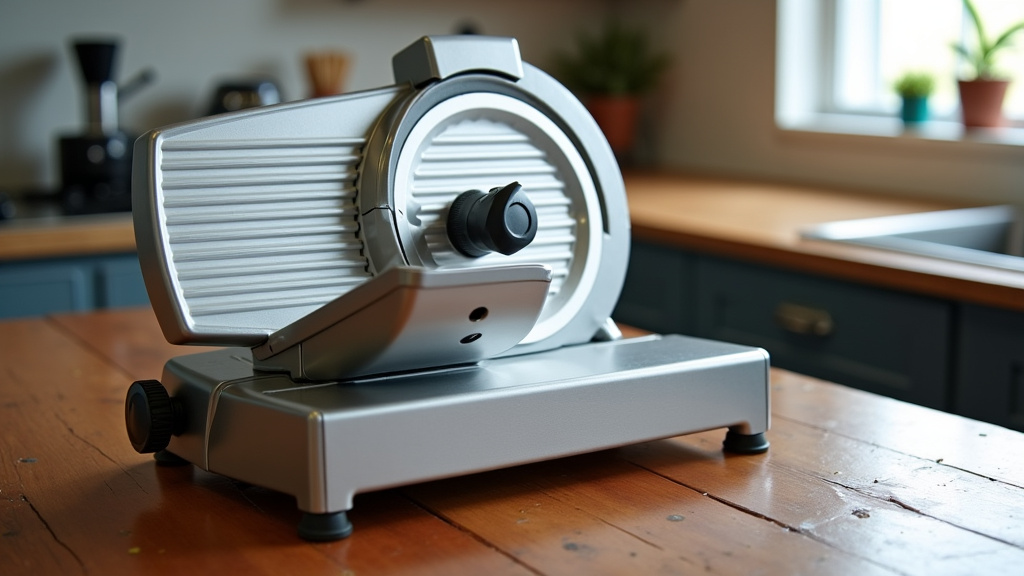
Simple Checklist for Slicer Noise
Use this quick checklist before and during use to ensure the best and quietest experience.
- Pre-Use Check: Ensure the slicer is on a stable, non-slip surface.
- Blade Inspection: Confirm the blade is sharp and clean before starting.
- Proper Food Prep: Slice foods that are properly chilled; warm food can cause more friction and noise.
- Smooth Operation: Feed food steadily and smoothly, not forcing it into the blade.
- Post-Use Care: Clean and lubricate the blade as recommended after each use.
- Storage: Store the slicer properly to keep components aligned and ready for quiet use.
By following these simple steps, you can minimize the noise and make slicing a more pleasant task. It’s all about creating good habits.
Is the Noise a Dealbreaker?
For most people, the noise of an electric meat slicer is not a dealbreaker. It’s a tool you use for specific tasks, not an appliance that runs all day. The sound is temporary and part of the process. We found that shoppers who focus on getting a good home model are usually satisfied with the noise level.
If you live in a very small space or have noise sensitivities, consider a manual slicer as an alternative. However, for the convenience and speed an electric slicer offers, the noise is a reasonable trade-off. It
Conclusion
So, how loud is an electric meat slicer? You now know it falls between a dishwasher and a vacuum cleaner in volume. The noise is noticeable but manageable for home use. You’ve seen that motor power and blade sharpness are the biggest factors. Choosing a model with a well-insulated motor and keeping the blade sharp makes a real difference. Remember, proper setup and regular maintenance are your best tools for quieter operation.
For your next step, check the specifications for the slicer you’re considering. Look for noise level claims and read user reviews mentioning sound. This practical research ensures you choose a machine that fits your kitchen and your peace of mind.
Frequently Asked Questions
Is an electric meat slicer louder than a kitchen blender?
Generally, no. A typical kitchen blender operates between 80 and 90 decibels, which is at the upper range or slightly louder than most home meat slicers. Your blender’s sound is often more high-pitched and intense, while a slicer has a lower, steady hum.
Can the noise from a slicer damage hearing over time?
For home use, the risk is very low. You are not using the slicer for prolonged periods like in a commercial setting. We recommend occasional use of ear protection only if you are slicing for over an hour continuously, especially with a louder model.
Are all “professional-style” slicers for home use extremely loud?
Not necessarily. Some prosumer models designed for home use include better sound dampening than true commercial units. However, they will still be louder than basic home slicers. Always check reviews specifically for comments about noise if sound is a major concern.
Does slicing frozen meat make the slicer significantly louder?
Yes, it often does. The blade meets more resistance cutting through frozen material, which can create a louder, grinding sound. It’s better to slice meat that is partially thawed (firm but not frozen solid) for quieter operation and cleaner cuts.
What is a good alternative if I’m very sensitive to noise?
A high-quality manual meat slicer is your best alternative. It produces almost no noise beyond the sound of the blade moving. The trade-off is that it requires more physical effort and is slower for large quantities.