What Is a 8.5 Inch Meat Slicer Blade Used For? A Clear Guide
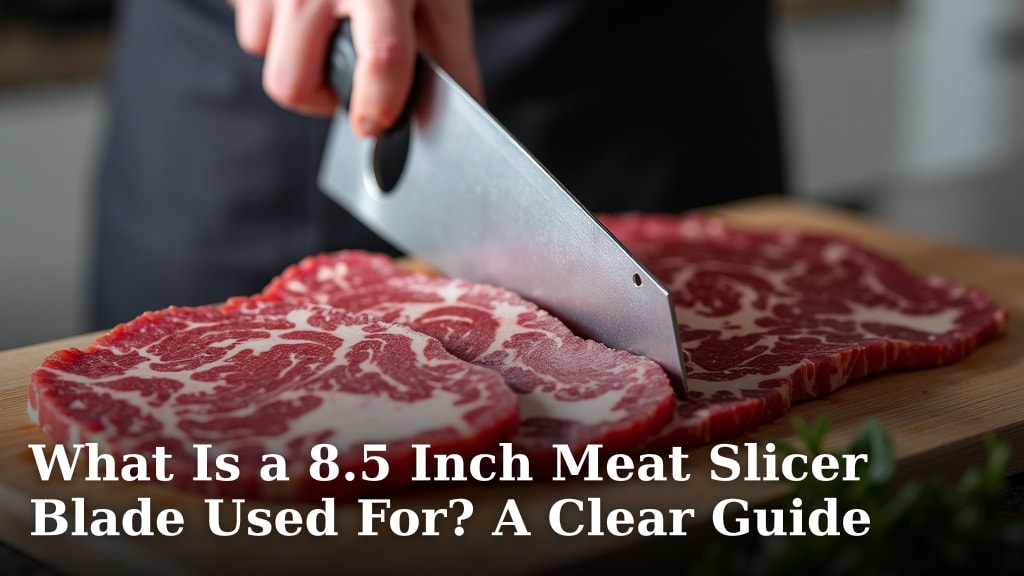
An 8.5-inch meat slicer blade is typically used for slicing deli meats, like ham, turkey, and roast beef, and for thinly cutting cheeses. This size is perfect for home cooks who want professional-looking results without a huge machine. It offers a good balance between power and manageable size for frequent use.
Many home chefs find this blade size works well for preparing a variety of foods. Beyond deli slices, it can handle roasts and even some vegetables if you want them uniformly thin. You’ll find it makes quick work of tasks that would be tedious by hand, like slicing potatoes for chips. It’s a versatile tool for your kitchen.
TL;DR:- 8.5-inch blades are best for deli meats and cheeses.
- They create thin, even slices for sandwiches and recipes.
- This size is good for home kitchens and frequent use.
- It can also slice roasts and some vegetables thinly.
- It’s a handy tool for saving time and effort.
Let’s walk through exactly what an 8.5-inch meat slicer blade is good for, so you can decide if it’s the right fit for your needs.
What Can You Slice With an 8.5-Inch Meat Slicer Blade?
An 8.5-inch meat slicer blade is surprisingly versatile. It’s not just for that fancy deli counter look. Think of it as your kitchen’s new sous chef. You can tackle many slicing jobs with confidence. We’ve found this size hits a sweet spot for home cooks. It’s big enough to handle most everyday tasks. Yet, it’s small enough not to take over your counter space. For more power, a gravity feed meat slicer might be a better fit for larger tasks.
So, what are the star players when it comes to what an 8.5-inch blade can do? Well, the most common answer is: deli meats. But let’s break down all the possibilities. You might be surprised at how much you can do with this appliance.
The Star Performers: Deli Meats and Cheeses
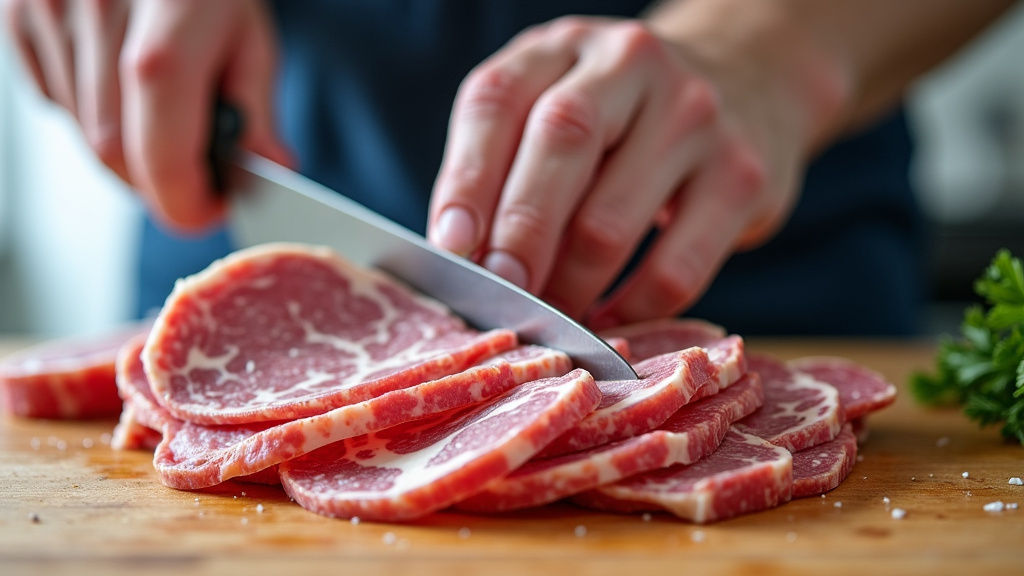
When you picture a meat slicer, you probably imagine perfectly thin slices of ham. Or maybe some delicate turkey for sandwiches. An 8.5-inch blade excels at this. It’s designed for the kind of uniform thickness that’s hard to achieve with a knife.
Deli Meats Made Easy
Think about making sandwiches for the family. Or preparing a charcuterie board for friends. This blade size makes it a breeze. You can slice:
- Roast beef
- Turkey breast
- Ham
- Salami
- Prosciutto
You get consistent, paper-thin slices every time. This not only looks professional but also tastes better. Thinly sliced meats release more flavor. They also melt in your mouth. Imagine upgrading your everyday lunch sandwich. It feels like a restaurant meal! We found that many users love this for making their own deli meats at home. Buying a whole roast and slicing it yourself can save money. Plus, you control the ingredients. No more mystery additives!
Cheeses for Every Occasion
Don’t forget about cheese! An 8.5-inch blade is also fantastic for slicing cheese. It works well for both hard and semi-hard varieties. Think about:
- Cheddar
- Provolone
- Swiss
- Mozzarella (firm blocks)
- Gouda
You can get those uniform slices for grilled cheese sandwiches. Or create elegant cheese platters. Consistent slices mean even melting. This is great for pizzas or gratins. For softer cheeses, you might need a different blade. But for most common cheeses, this blade is a champ. Many people don’t realize how versatile their slicer can be. It’s not just for meat!
Beyond the Deli Counter: Roasts and Cooked Meats
While it’s perfect for pre-cooked deli meats, this blade size can also handle roasts. If you’ve cooked a pork loin or a beef roast, you can use your slicer. The key is that the meat needs to be well-chilled. This makes it firm and easier to slice cleanly. Cold meat is crucial for good results. Warm meat tends to shred or tear.
Slicing Your Home-Cooked Roasts
Picture this: you just roasted a beautiful chicken. Instead of carving it with a knife, you can use the slicer. You’ll get perfectly even slices for chicken salad or wraps. This works for other cooked meats too, like:
- Pork roasts
- Beef roasts
- Lamb roasts
We found that cooking a large cut of meat and then slicing it with a machine is very efficient. It saves a lot of time and effort after you’ve already done the cooking. Just make sure the meat is chilled thoroughly. This makes a huge difference in the slice quality. It also helps protect your blade.
The Importance of Chilling
Why is chilling so important? When meat is warm, its connective tissues are softer. This allows the blade to push through and tear the meat. A well-chilled roast is much firmer. The blade can pass through it cleanly, creating smooth, uniform slices. Many experts suggest chilling meat for at least 2-4 hours in the refrigerator before slicing (National Hog Farmer Magazine). For very large roasts, you might even chill them overnight. Think of it like trying to cut soft butter versus cold butter. The cold butter is much easier to get a clean cut from.
Surprising Uses: Vegetables and More
Are you ready for a few more ideas? Your 8.5-inch slicer isn’t just for animal products. It can handle certain vegetables too. This is especially useful if you want things sliced uniformly thin. Think about recipes that call for thinly sliced potatoes or onions.
Uniform Vegetable Slices
You can slice vegetables like:
- Potatoes (for chips or gratins)
- Zucchini (for salads or casseroles)
- Onions (for French onion soup or salads)
- Cabbage (for coleslaw)
Imagine making homemade potato chips. You can get them all the same thickness for even frying. Or slicing onions for a French onion soup so they cook uniformly. This level of consistency is hard to achieve by hand. We found that for vegetables, it’s best to use the slicer for foods that are firm and relatively uniform in shape. Softer vegetables might turn to mush. It’s all about finding the right fit for the blade and the food.
A Note on Vegetable Slicing
When slicing vegetables, it’s wise to use a separate blade if possible. Meat slicer blades are often serrated. This design is excellent for cutting through tough meat fibers. However, it can sometimes tear softer vegetables. Some slicers offer smooth blades. These are often better for vegetables. If your slicer came with only one blade, consider if it’s serrated. If it is, you might get the best results with firmer vegetables. Always clean the slicer thoroughly between meats and vegetables. This prevents cross-contamination and flavor transfer. Food safety is always number one!
What About Bread?
Can you slice bread with an 8.5-inch meat slicer? The short answer is: it depends on the bread and the blade.
Bread Slicing: A Mixed Bag
A serrated blade on a meat slicer is generally not ideal for bread. The teeth can tear softer bread. They might crush crusty loaves. This can lead to uneven slices and a lot of crumbs. We found that some people have success with very dense, firm loaves. Think of a dense rye bread. If your slicer has a smooth blade option, that might work better. However, dedicated bread slicers are designed with specific blade types and speeds for bread. For most home bakers, a bread knife is still the best tool for slicing homemade loaves. If you buy pre-sliced bread, then this isn’t a concern for you!
The 8.5-Inch Advantage: Size and Functionality
Why is the 8.5-inch size so popular for home use? It offers a fantastic balance. It’s large enough to slice standard deli meat packages and family-sized roasts. But it’s not so massive that it becomes intimidating to use or store. Many models are designed with safety features and easy-to-clean parts. This makes them practical for regular use in a home kitchen. You get professional results without the industrial footprint.
Is an 8.5-Inch Slicer Right for You?
If you frequently buy deli meats, love making sandwiches, or enjoy preparing charcuterie boards, an 8.5-inch slicer can be a game-changer. It’s also great if you like to cook larger cuts of meat and slice them yourself. Consider your kitchen space and how often you’ll use it. For many households, this size offers the perfect blend of performance and practicality. It helps you save time and achieve delicious results. It’s a worthy addition to your kitchen toolkit!
Key Takeaways for Your 8.5-Inch Slicer Use:
- Always use a well-chilled piece of meat for the cleanest slices.
- 8.5-inch blades are excellent for deli meats and semi-hard cheeses.
- Consider a smooth blade for vegetables if your slicer has the option.
- Clean your slicer thoroughly after each use, especially between meats and vegetables.
- Serrating blades might not be best for soft breads.
- Measure your counter space before buying to ensure a good fit.
Conclusion
You now understand the capabilities of an 8.5-inch meat slicer blade. It’s a fantastic tool for home cooks, especially for slicing deli meats and cheeses evenly and thinly. You’ve also learned it can handle well-chilled roasts and even some firmer vegetables, offering great versatility. Remember to always chill your meats thoroughly for the best results and clean your slicer properly. If you’re looking to bring deli-quality slicing into your own kitchen, consider if this size fits your cooking habits and counter space.
Your next step? Measure your available space and think about the types of foods you prepare most often. This will help you decide if an 8.5-inch meat slicer is the right addition to your kitchen.
Frequently Asked Questions
Can I slice very hard cheeses like Parmesan with an 8.5-inch slicer?
An 8.5-inch blade works best with semi-hard cheeses like cheddar or provolone. Very hard cheeses, such as aged Parmesan, might be too difficult for the blade to cut cleanly. You may end up with crumbs or struggle to get even slices. For very hard cheeses, a knife or a grater is usually more effective.
How do I ensure my meat is chilled enough for slicing?
For best results, chill your cooked roasts in the refrigerator for at least 2-4 hours after they have cooled down. For large cuts, chilling overnight is even better. The meat should feel firm to the touch. This firmness allows the slicer blade to cut through cleanly without tearing or shredding the meat.
Is an 8.5-inch slicer too big for a small kitchen?
An 8.5-inch slicer offers a good balance for home use. It’s compact enough for most kitchens but large enough for standard meat packages. Before buying, measure your counter space and storage area. Many users find this size practical without taking up excessive room.
What is the biggest risk when using a meat slicer?
The biggest risk is accidental cuts from the sharp blade. Always keep your fingers away from the blade’s path. Ensure the meat is properly secured and use the food pusher provided with your slicer. Never force the food through the slicer, and always unplug the machine before cleaning or making adjustments.
How often should I sharpen my 8.5-inch meat slicer blade?
The frequency of sharpening depends on how often you use your slicer and what you slice. For regular home use, sharpening every 6-12 months is often sufficient. If you notice the blade starting to tear meats instead of slicing cleanly, it’s likely time for sharpening. Many slicer manuals offer guidance on blade care and sharpening.