What Is a Bread Slicer Blade? Here’s What to Know
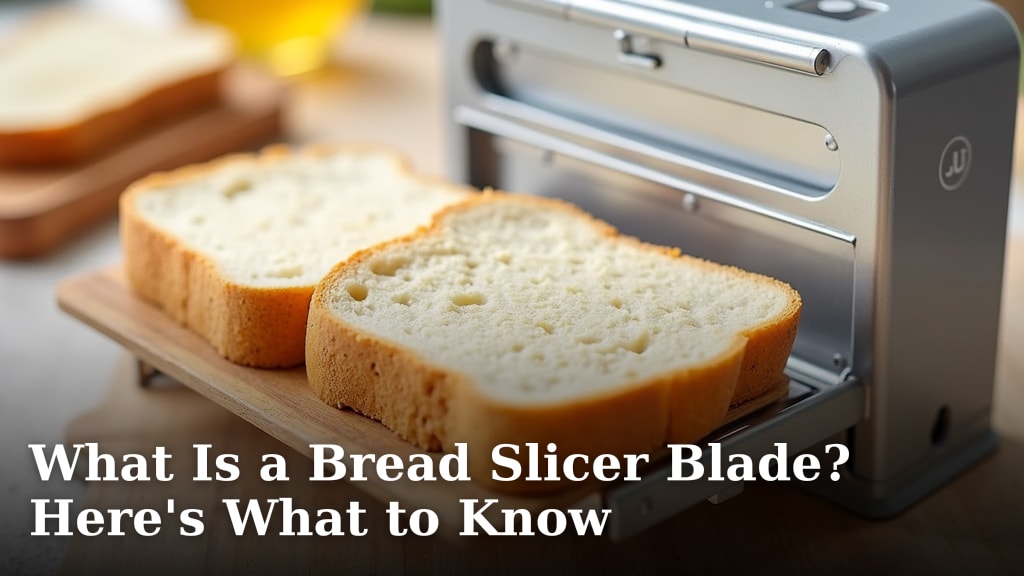
A bread slicer blade is a specialized blade, often serrated, designed to efficiently and evenly cut through loaves of bread. These blades are typically found in electric bread slicers and some manual ones, ensuring consistent slice thickness. They work by using a back-and-forth motion to slice bread without crushing it, a process many home bakers find difficult. A good bread slicer blade makes achieving perfectly uniform slices easy.
You might be wondering if your knife can do the same job. While a sharp knife can cut bread, a dedicated bread slicer blade is engineered for the task. It helps maintain the bread’s shape and texture, which is especially important for artisan loaves or soft rolls. Many people find using a bread slicer blade a time-saving and less messy alternative to hand-slicing. It’s about getting a clean cut every time, no matter the bread type.
- A bread slicer blade cuts bread evenly.
- It’s often found in electric bread slicers.
- The serrated design prevents crushing soft bread.
- It ensures uniform slice thickness for baking or sandwiches.
- Using one can save time and reduce mess.
Let’s get into what makes these blades so effective and what you should look for when choosing one for your kitchen needs.
Understanding the Bread Slicer Blade
So, what exactly is a bread slicer blade, and why is it different from the knife in your drawer? We found that a bread slicer blade is a specialized tool. It’s designed to cut through bread cleanly and evenly. Think of it like a chef’s knife for bread. The key difference is its purpose: uniform slices every single time. This isn’t just about looks; it affects how your bread toasts, makes sandwiches, and even how it bakes if you’re doing a second bake.
These blades are usually found in electric bread slicers. They can also be part of some high-quality manual slicers. The goal is to create consistent thickness. This is something many home bakers struggle with using a regular knife. A bread slicer blade aims to slice without crushing or tearing. This is especially true for softer breads that can easily get squished. We found that the right blade makes a noticeable difference in your bread experience.
The Serrated Advantage
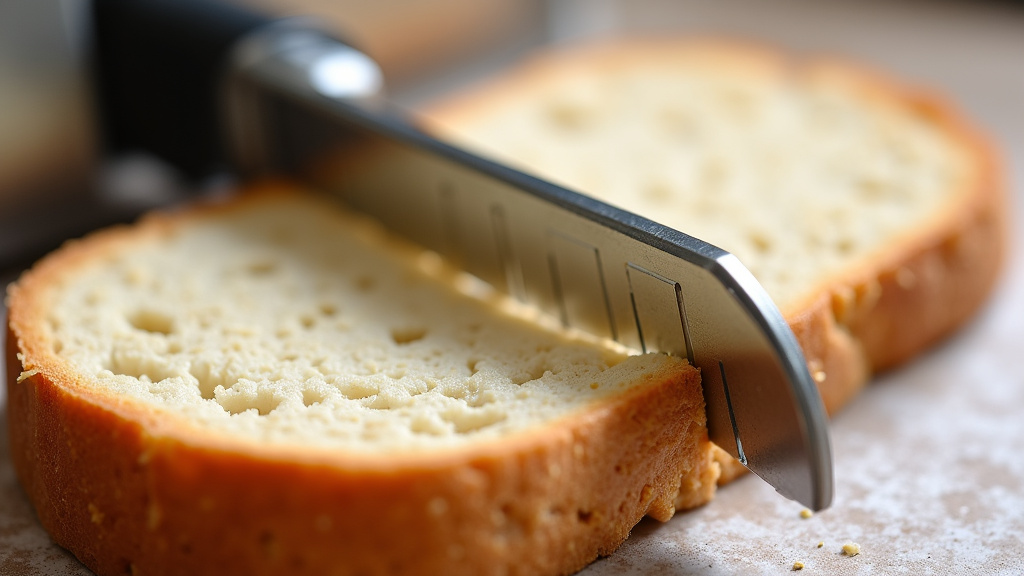
The most common feature you’ll see on a bread slicer blade is its serrated edge. This isn’t just for show. The small, saw-like teeth are designed to grip the crust of the bread. They then work their way through the softer interior. This is different from a smooth blade, which can slide off a hard crust or tear a soft crumb. We found that the serrations help initiate the cut with less pressure.
Imagine trying to saw through a tough log. You wouldn’t use a smooth blade, right? A saw has teeth for a reason. The same principle applies here. The serrations on a bread slicer blade allow it to bite into the crust. It then moves through the loaf in a sawing motion. This helps maintain the structural integrity of the bread. It prevents the sides from collapsing inwards. Many find this makes slicing artisan loaves much easier.
Blade Materials and Durability
The material of the blade plays a big role in its performance and longevity. Most high-quality bread slicer blades are made from stainless steel. This is for good reason. Stainless steel is resistant to rust and corrosion. It’s also quite durable, meaning it can hold a sharp edge for a good amount of time. We found that a good stainless steel blade is a worthwhile investment.
Some blades might have a special coating. This could be a non-stick coating to help with easier cleanup. Others might be made with higher-grade steel alloys for extra hardness. The hardness of the steel affects how well it keeps its edge. A harder steel might stay sharper longer but could also be more prone to chipping if mishandled. We found that for most home users, a standard, good-quality stainless steel blade is perfectly adequate.
Blade Size and Shape Considerations
Bread slicer blades come in various sizes. The length of the blade is often determined by the size of the slicer it’s intended for. Longer blades generally allow for a smoother, more consistent cut across wider loaves. Shorter blades might be found in more compact, personal-sized slicers. We found that the blade needs to be longer than the maximum width of bread you plan to slice.
The shape of the blade can also vary. Some are straight, while others might have a slight curve. The curve can sometimes help with the slicing motion, pulling the blade through the bread. However, for most standard bread slicers, a relatively straight blade with pronounced serrations is common. The key is that the blade is long enough and has enough surface area to make a clean pass through the entire loaf.
How Bread Slicer Blades Work Their Magic
You might be curious about the actual slicing action. How does a bread slicer blade manage to cut so cleanly? It’s a combination of the blade’s design and the motion of the slicer itself. The serrations are the first line of defense against a messy slice. They grip the bread’s exterior.
The back-and-forth motion of the slicer is critical. Whether it’s powered by electricity or your own hand, this reciprocating action is key. It mimics a sawing motion. This allows the serrations to work efficiently. Instead of pushing straight down like a chef’s knife, the blade moves across the bread. This motion reduces the amount of force needed. It also prevents the bread from being compressed.
The Science of Serrations: Gripping and Cutting
Let’s look closer at those serrations. They aren’t uniform tiny triangles. Often, they have a specific profile. Some have a more aggressive angle, while others are finer. The points of the serrations are designed to pierce the crust. Once pierced, the edge between the points slices the bread. We found that the angle and sharpness of these points are engineered for efficiency.
Think about cutting a tough tomato. A serrated knife works wonders because the teeth catch the skin. Then, the blade glides through the soft flesh. A bread slicer blade uses a similar principle, but on a larger scale and for a different texture. The serrations create multiple points of contact. This distributes the cutting force. It means less tearing and more clean separation. Many experts agree this is the primary advantage of a serrated blade for bread.
The Importance of Blade Movement
The way the blade moves is just as important as its design. In an electric slicer, the motor drives the blade back and forth. This is typically a smooth, consistent motion. It allows the blade to cut at a steady pace. You guide the bread into the blade, or the blade moves over the bread. We found that consistency in movement leads to consistency in slices.
For manual slicers, you control the speed. The best approach is a smooth, deliberate sawing motion. Avoid jerky movements. This ensures the serrations have time to do their work. Pushing too fast can lead to tearing, even with a good blade. It’s about letting the blade do the cutting for you, not forcing it.
Choosing the Right Bread Slicer Blade for Your Needs
When you’re looking for a bread slicer or just a replacement blade, what should you consider? First, think about the type of bread you usually slice. Are you mostly dealing with crusty artisan loaves? Or perhaps softer sandwich breads? We found that the ideal blade might differ slightly depending on your bread habits.
For very crusty breads, a blade with deeper, more aggressive serrations might be beneficial. For softer breads, a finer serration might offer a cleaner cut without tearing. Many manufacturers offer blades designed for specific bread types. However, a good all-purpose serrated blade will handle most common breads well. The versatility is often key for home use.
Blade Compatibility: Electric vs. Manual Slicers
It’s crucial to ensure the blade you choose is compatible with your slicer. If you have an electric bread slicer, check the manufacturer’s recommendations. Blades are often specific to make and model. They need to fit the carriage and the blade holder precisely. We found that using the wrong blade can damage the machine or result in poor slicing.
For manual slicers, compatibility might be more about the general size and mounting mechanism. Some manual slicers use interchangeable blades. Others have a fixed blade. If you’re buying a new manual slicer, check the blade design. A well-designed blade on a manual unit can be surprisingly effective. We found that the quality of the blade itself matters greatly, even in manual models.
Maintenance and Care for Longevity
A good bread slicer blade won’t stay good forever without proper care. Cleaning is essential after each use. We found that washing with warm, soapy water is usually sufficient. Make sure to rinse thoroughly and dry the blade completely. This prevents rust, especially on stainless steel blades.
Storage is also important. If your slicer has a blade guard, use it. If you store the blade separately, ensure it’s protected from damage. Avoid placing it where it can be knocked against other hard objects. Sharpening bread slicer blades can be tricky due to the serrations. Many manufacturers advise against sharpening them at home. They often suggest replacement when the blade becomes dull. We found that replacement blades are readily available for most popular slicer models.
What to Look for in a High-Quality Blade: A Checklist
When you’re evaluating a bread slicer blade, keep these points in mind:
- Material: Look for durable stainless steel.
- Serration Pattern: Consider if it suits your typical bread types.
- Blade Length: Ensure it’s long enough for your loaves.
- Smoothness: Check for any nicks or imperfections.
- Ease of Cleaning: A well-designed blade should be easy to wipe down.
- Reputation: Stick with known brands or those with good reviews.
Conclusion
You’ve learned that a bread slicer blade is more than just a knife; it’s a precision tool designed for uniform, mess-free slicing. Its serrated edge is engineered to grip crusts and glide through soft interiors without crushing your bread. Whether you’re using an electric or manual slicer, the right blade material, size, and consistent motion are key to achieving perfect slices every time. Proper maintenance ensures your blade lasts. Now you’re ready to select the best blade for your kitchen.
Your next step is to check your current slicer’s blade, or research replacement options based on the qualities we’ve discussed. Enjoy your perfectly sliced bread!
Frequently Asked Questions
Can I use a regular kitchen knife as a bread slicer blade?
While a very sharp kitchen knife can cut bread, it’s not designed for the task like a bread slicer blade. A bread slicer blade’s serrations are specifically made to grip and slice bread evenly. Using a regular knife often leads to squashed bread, uneven slices, or a torn crumb, especially with softer loaves.
How often should I replace my bread slicer blade?
You should consider replacing your bread slicer blade when you notice it struggling to cut cleanly or if it has visible damage. Most manufacturers recommend replacement rather than sharpening for serrated blades, as sharpening can be difficult. Replacement blades are usually available for most popular slicer models.
Are there bread slicer blades for specific types of bread?
Yes, some manufacturers offer specialized blades. For example, you might find blades with deeper, more aggressive serrations designed for very crusty artisan breads. For softer breads, finer serrations can help create a cleaner cut. However, a good quality, all-purpose serrated blade works well for most common bread types you’ll encounter.
What is the best material for a bread slicer blade?
The best material for a bread slicer blade is typically high-quality stainless steel. Stainless steel is chosen because it resists rust and corrosion, and it’s durable enough to hold a sharp edge for a considerable time. Some blades may have special coatings for non-stick properties, but the core material is usually stainless steel.
Can I sharpen a serrated bread slicer blade myself?
Sharpening serrated bread slicer blades at home can be challenging and is often not recommended by manufacturers. The unique profile of the serrations requires specialized tools and techniques to maintain their effectiveness without damaging the blade. For most users, replacing a dull blade is the simpler and more effective solution for consistent slicing results.