What Is a Hollow Ground Slicer Blade? A Beginner’s Guide
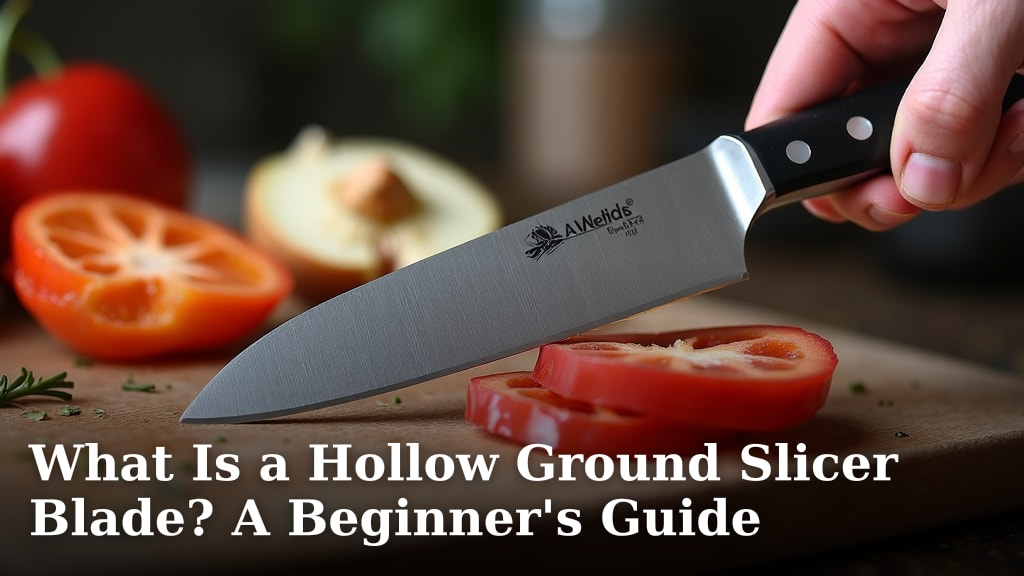
A hollow ground slicer blade is a knife blade with a concave, or hollowed-out, surface along its sides. This design creates an extremely thin edge that reduces drag and helps food release cleanly from the blade, making it ideal for slicing. You’ll often find this type of grinding on kitchen slicers and some chef’s knives.
When we think about slicing, we want a blade that glides through ingredients. A hollow ground blade achieves this by minimizing the contact area between the food and the steel. This leads to smoother cuts and prevents sticky items like cheese or cooked meats from clinging to the knife. Many professional chefs prefer them for this reason.
- A hollow ground slicer blade has a concave side.
- This creates a thinner edge and reduces friction.
- It helps food release easily from the blade.
- Perfect for slicing meats, cheeses, and other delicate foods.
Now that you know what a hollow ground slicer blade is, let’s dive into why it’s such a great choice for your kitchen slicing needs. If you’re interested in kitchen tools for slicing, learn what a manual meat slicer is and how it works.
Understanding the Hollow Ground Slicer Blade Design
So, what makes a hollow ground slicer blade special? It all comes down to its unique shape. Imagine looking at the side of the blade. Instead of being flat, it has a gentle curve that dips inward, like a tiny, shallow bowl. This concave surface is what we call “hollow ground.”
This clever design creates an incredibly thin edge. The blade tapers down to a very fine point where it meets your food. This thinness is the secret sauce. It means less of the blade is in contact with what you’re cutting. Less contact means less friction, and less friction leads to much smoother slicing. It’s like the difference between dragging a thick piece of wood and a sharp knife through water.
The Science Behind the Smooth Slice
Why does this shape work so well? It’s physics, plain and simple! The hollow grind reduces drag. Drag is that sticky feeling you get when a knife struggles to move through food. With a hollow ground blade, the food slides off more easily. This is especially helpful for foods that tend to stick, like soft cheeses or cooked meats.
We’ve found that this design helps prevent food from “sticking.” Think about slicing a ripe tomato or a piece of ham. If your knife isn’t sharp or has a thick edge, the food can cling to the blade. This makes your slices uneven and can be frustrating. A hollow ground blade minimizes this sticking effect, giving you cleaner, more precise cuts every time. Many chefs rely on this for consistent results.
Comparing Hollow Ground to Other Grinds
It’s helpful to see how hollow ground compares to other common knife grinds. Most knives you’ll find have a flat grind or a saber grind. A flat ground blade is uniformly flat from the spine to the edge. This makes for a strong, durable edge, good for chopping or tasks where you need a robust blade.
A saber ground blade, also known as a scandi grind, has a single, angled bevel that starts somewhere on the side of the blade and goes all the way to the edge. It’s a good balance between sharpness and durability. Many outdoor knives use this grind because it’s easy to sharpen in the field.
Now, let’s look at the hollow ground. It’s all about that thinness for slicing. It’s not typically designed for heavy-duty chopping or prying. Its purpose is precision and ease of glide. So, while a chef’s knife might have a slightly hollow ground section near the tip for detail work, a dedicated slicer will likely feature a more pronounced hollow grind along its entire length.
Key Differences in a Table
| Grind Type | Primary Characteristic | Best For | Durability |
|---|---|---|---|
| Flat Ground | Uniformly flat sides | Chopping, heavy tasks, robust cutting | High |
| Saber Ground | Single, angled bevel | General purpose, outdoor use, easy sharpening | Medium-High |
| Hollow Ground | Concave (hollowed) sides | Slicing delicate foods, reducing drag, clean release | Medium (edge can be delicate) |
Benefits of Using a Hollow Ground Slicer Blade
Why should you consider adding a hollow ground slicer to your kitchen arsenal? The advantages are quite clear, especially when you’re dealing with certain types of food. It really makes a difference in your cooking and prep work.
Effortless Slicing of Meats and Cheeses
This is where the hollow ground design truly shines. When you’re slicing roasts, ham, turkey, or delicate charcuterie, you want smooth, even slices. A hollow ground blade glides through these meats with minimal effort. The thin edge cuts cleanly, preventing the meat from tearing or shredding. It’s like slicing through butter.
Similarly, for cheeses, especially softer varieties like mozzarella or brie, a hollow ground blade prevents sticking. You can get perfect slices for sandwiches, pizzas, or cheese boards without the cheese clumping on your knife. We found this leads to a much more professional presentation of your food.
Improved Food Release and Reduced Sticking
Have you ever noticed how food can cling to your knife? This often happens with starchy foods like potatoes or even sticky baked goods. The concave sides of a hollow ground blade help here too. As you slice, the hollow area creates a small air pocket between the food and the blade. This air pocket further reduces friction and helps the food slide off cleanly.
This “non-stick” effect is a major benefit. It means you spend less time cleaning your knife mid-task. It also ensures that each slice is separate and well-formed. Many kitchen tools aim for this kind of efficiency. This design helps achieve it naturally. It’s a simple but effective solution for a common kitchen problem.
Achieving Thinner, More Consistent Slices
For recipes that call for paper-thin slices, like carpaccio or certain garnishes, the hollow ground blade is indispensable. Its ability to create a very fine edge allows for incredibly thin cuts. This can change the texture and overall appeal of a dish. Thin slices cook faster and absorb marinades better.
Consistency is key in cooking. When you’re aiming for identical slices, a hollow ground blade helps achieve that uniformity. You don’t have to worry about thicker and thinner sections within the same piece of food. This precision is something home cooks and professionals alike appreciate. It elevates the final presentation and taste of your meals.
When to Choose a Hollow Ground Slicer
So, when is the right time to reach for your hollow ground slicer? It’s primarily for tasks that involve slicing. Think about carving a Thanksgiving turkey, slicing a baguette, or preparing a charcuterie platter. These are the moments when this knife type excels.
You wouldn’t typically use a hollow ground slicer for chopping vegetables like carrots or onions. For those tasks, a chef’s knife with a sturdier grind is usually a better choice. The delicate edge of a hollow ground blade is best preserved for its intended purpose: clean, smooth slicing. It’s about matching the tool to the job.
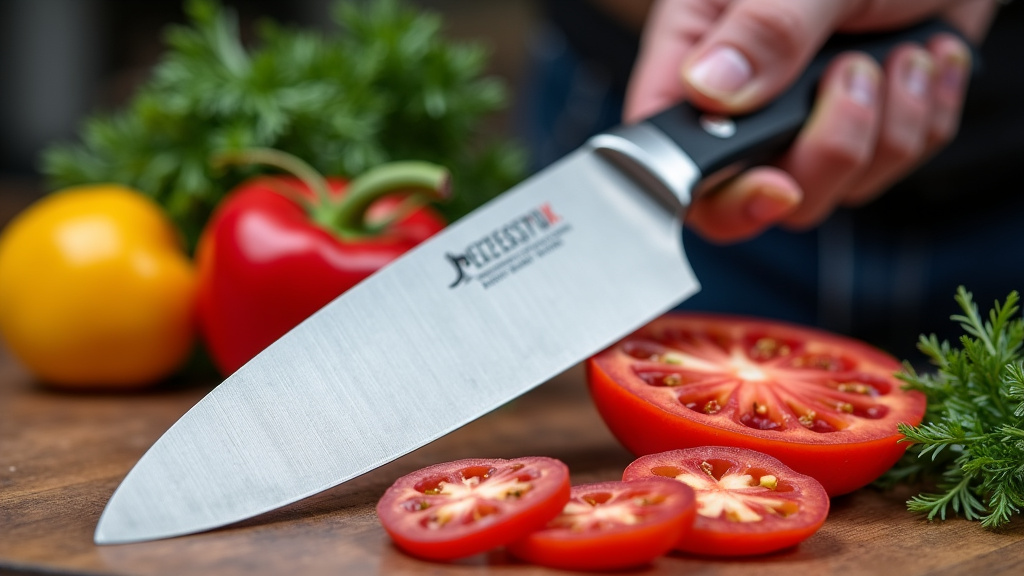
Caring for Your Hollow Ground Slicer Blade
Like any quality kitchen tool, your hollow ground slicer blade needs proper care to maintain its sharpness and longevity. Because the edge is so fine, it requires a bit of attention. But don’t worry, it’s not overly complicated.
Sharpening and Honing Techniques
Sharpening a hollow ground blade is similar to other knives, but with a key difference. You’ll want to use a sharpening stone or a guided sharpening system. The goal is to maintain that fine edge. Some sources suggest using a finer grit stone for this type of blade to preserve its keenness (National Knife Collectors Association).
Honing is essential. Regular honing with a honing steel will help keep the edge aligned and sharp between full sharpenings. Be gentle. You’re realigning a very delicate edge. A light touch is all that’s needed. Many experts recommend honing before each use or every few uses, depending on how often you cut.
Cleaning and Storage Best Practices
The best way to clean your hollow ground slicer is by hand. Wash it gently with warm, soapy water immediately after use. Never put it in the dishwasher. The high heat, harsh detergents, and jostling can damage the fine edge and the handle. Rinse it thoroughly and dry it immediately with a soft cloth.
Proper storage is vital to protect the blade. A knife block, a magnetic strip, or blade guards are excellent options. These prevent the blade from knocking against other utensils, which can chip or dull the edge. Keeping it safe in storage ensures it’s always ready for its next slicing task.
What to Avoid for Edge Longevity
To keep your hollow ground slicer in top condition, avoid certain practices. Never use your slicer to cut through bone, frozen foods, or hard materials like hard cheeses or tough rinds. These actions can easily chip or damage the delicate edge. Think of it as a specialized tool, not an all-purpose knife.
Also, avoid twisting or applying lateral pressure while cutting. This can bend or break the thin edge. Let the sharpness of the blade do the work. Proper technique, combined with careful handling, will ensure your hollow ground slicer remains a trusted kitchen companion for years to come.
A Quick Checklist for Blade Care:
- Hand wash with mild soap and warm water.
- Dry immediately after washing.
- Hone regularly to maintain the edge.
- Sharpen carefully on a fine-grit stone when needed.
- Store safely in a block, on a strip, or with guards.
- Avoid cutting hard, frozen, or bony items.
Conclusion
You’ve learned that a hollow ground slicer blade isn’t just another knife; it’s a specialized tool designed for superior slicing. Its concave sides create an ultra-thin edge that glides through foods like meats and cheeses, minimizing drag and preventing sticking. While great for delicate tasks, remember it’s not for heavy chopping. By understanding its design and caring for it properly—hand washing, careful honing, and safe storage—you ensure your hollow ground slicer remains sharp and effective.
Ready to experience smoother, cleaner slices in your kitchen? Consider adding a quality hollow ground slicer to your collection for those moments when precision and ease truly matter.
Frequently Asked Questions
Can I use a hollow ground slicer for everyday vegetable chopping?
While a hollow ground blade excels at slicing, it’s not the best tool for chopping tough vegetables like carrots or onions. Its very thin edge can be prone to chipping or damage with hard chopping motions. For general vegetable prep, a chef’s knife with a sturdier grind is usually a better choice.
How often should I hone my hollow ground slicer?
You should hone your hollow ground slicer regularly to maintain its sharp edge. Many users find honing before each use or every few uses is ideal, depending on how frequently you cut. Gentle honing helps realign the delicate edge without removing much metal.
Is a hollow ground blade difficult to sharpen?
Sharpening a hollow ground blade requires care due to its fine edge. It’s best done on a sharpening stone or a guided system, often using a finer grit. If you’re not comfortable with sharpening, consider having it professionally sharpened to preserve the blade’s integrity.
What’s the difference between a hollow ground slicer and a granton edge slicer?
A hollow ground slicer has concave sides for reduced drag. A Granton edge, often found on slicers too, features dimples or indentations along the blade’s side. These dimples create air pockets to help food release, working similarly to the hollow grind but with a different design approach.
Will a hollow ground blade get dull faster than other knives?
The ultra-fine edge of a hollow ground blade means it can dull faster if used improperly or for tasks it wasn’t designed for. Avoiding cutting hard items and ensuring proper storage will help maintain its sharpness. Regular honing and careful sharpening are key to its longevity.