What Is a Meat Slicer Blade Guard For? Here’s What to Know
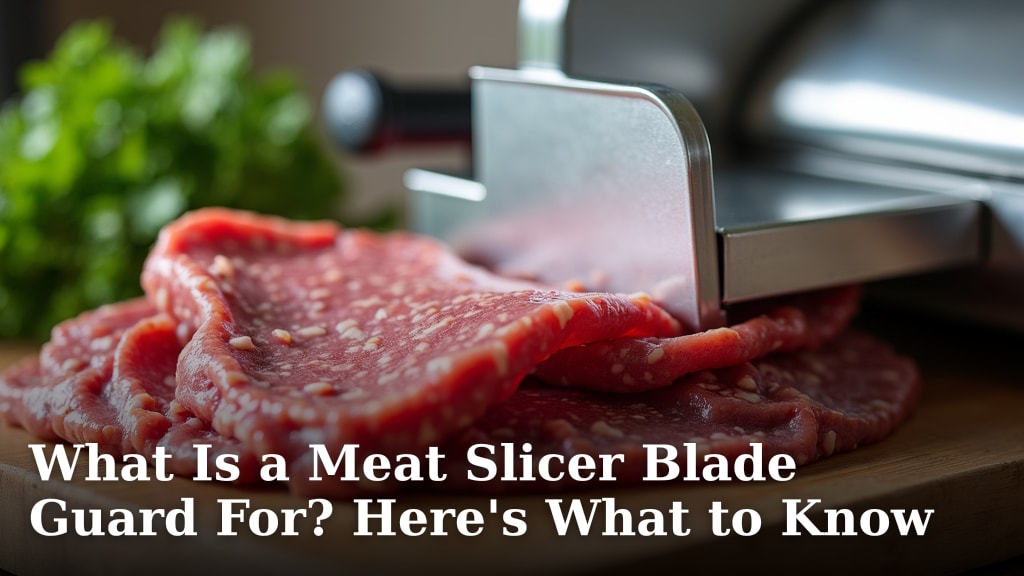
A meat slicer blade guard is a safety feature designed to prevent accidental contact with the sharp blade. It’s a physical barrier that shields your fingers and hands from the spinning blade when the slicer is in use or even when it’s off. This guard is essential for safe operation.
Many home chefs and even professionals might wonder about this part. It’s not just a decorative piece; it’s a critical component for food safety and preventing serious injuries. Understanding its purpose can help you use your meat slicer with greater confidence and care.
- A meat slicer blade guard is a safety shield.
- Its main job is to protect you from the sharp blade.
- It prevents cuts and injuries during use.
- It’s a non-negotiable safety part for any slicer.
Let’s break down exactly what a meat slicer blade guard does and why it’s so important for your kitchen safety.
Understanding Your Meat Slicer’s Blade Guard: A Safety Essential
A meat slicer’s blade guard is your first line of defense against serious injury. It’s the physical barrier designed to keep your fingers, hands, and anything else you don’t want sliced safely away from the extremely sharp blade. Think of it like the guard on a power saw. Its purpose is simple: to prevent accidental contact with a very dangerous moving part. This is absolutely critical, whether you’re a home cook slicing deli meats or a professional chef preparing large batches.
Many people might see it as just another piece of plastic or metal. But we found that its role is far more important than that. It’s a non-negotiable safety component that protects both you and the food you’re preparing. Understanding what it does and why it’s there can make all the difference in how safely you operate your slicer.
The Primary Role of the Blade Guard
At its core, the blade guard’s job is to act as a physical shield. It surrounds the slicing blade, leaving only the necessary opening for food to pass through and be cut. This barrier is designed to be robust enough to withstand normal use and prevent accidental touches.
Protecting Your Hands and Fingers
The most obvious and important function is preventing cuts. Your fingers are incredibly vulnerable. A slip of the hand or a moment of distraction could lead to a severe laceration from the spinning blade. The guard is there to stop your fingers from ever reaching the sharp edge. Many safety guidelines, like those from OSHA for commercial kitchens, stress the importance of machine guarding to prevent injuries. While this is for commercial use, the principle applies just as strongly to home slicers.
Preventing Contamination
Beyond personal safety, the blade guard also plays a role in food hygiene. By acting as a barrier, it can help prevent unwanted items from coming into contact with the blade. Imagine dropping a utensil or having something fall onto the slicer. The guard can offer a layer of protection against these potential contaminants entering the food path. We found that good hygiene practices, combined with safety features like guards, contribute to safer food preparation.
Ensuring Proper Slicer Operation
Sometimes, a blade guard is designed to work in conjunction with the slicer’s operation. For instance, some guards are adjustable and need to be positioned correctly for the slicer to function optimally. While not all guards have this feature, it highlights that the guard isn’t just passive; it can be an active part of the machine’s design. Ensuring it’s in place and correctly fitted is part of responsible slicer use.
Types of Meat Slicer Blade Guards
Not all blade guards are created equal, and they can vary depending on the type and brand of your meat slicer. Understanding these differences can help you appreciate how they work and what to look for.
Fixed Guards
These guards are permanently attached to the slicer. They offer continuous protection and cannot be easily removed. They are common on simpler or older models. Because they are fixed, they are always present, offering a constant layer of safety. However, cleaning around a fixed guard can sometimes be more challenging.
Removable Guards
Many modern slicers feature removable guards. These can be detached, usually for easier and more thorough cleaning. This is a big plus for hygiene. However, it also means you need to be diligent about replacing the guard after cleaning. We found that manufacturers often provide clear instructions on how to safely remove and reattach these guards.
The Importance of Reattachment
If your slicer has a removable guard, it’s absolutely essential that you put it back on after cleaning. Operating a slicer without its blade guard is incredibly dangerous. We’ve seen reports of severe injuries occurring when guards were not properly reinstalled. Always double-check that it’s securely in place before you power on the machine. Your safety depends on it.
Adjustable Guards
Some high-end or specialized slicers might have adjustable guards. These allow you to change the position or depth of the guard. This can be useful for slicing different types of food or achieving specific slicing thicknesses. The adjustability needs to be managed carefully, ensuring the guard is always providing adequate protection for the task at hand.
Why Is the Blade Guard So Important?
Let’s really drive home why this component is so vital. It’s more than just a suggestion; it’s a core safety feature that you should never overlook. Think about the blade itself. Meat slicer blades are designed to be incredibly sharp to cut through tough meats efficiently. This sharpness is what makes them so dangerous if mishandled.
The Sharpness Factor
Meat slicer blades are typically made from high-carbon stainless steel. They are often serrated or honed to an extremely fine edge. We found that the velocity at which the blade spins, combined with its sharpness, means that even a brief touch can cause a deep, severe wound. Unlike a knife that you control with your hand, the slicer’s blade moves rapidly and with great force. The guard is the buffer between that force and your body.
Accidents Happen
No one plans to have an accident, but they do happen. Distractions, a moment of fatigue, or a simple slip can occur even to the most experienced users. The blade guard is there for those “oops” moments. It’s a safeguard for when things don’t go perfectly. Many kitchen safety protocols, often cited by organizations like the National Kitchen & Food Association, highlight the importance of machine guards as a primary safety control.
Ease of Cleaning vs. Safety Trade-off
As we touched on with removable guards, there’s sometimes a perceived trade-off between ease of cleaning and having the guard in place. However, experts agree that safety should always come first. A few extra minutes to properly reattach the guard after cleaning is a small price to pay for avoiding a potentially life-altering injury. We found that thorough cleaning instructions often include steps for ensuring the guard is correctly reinstalled.
Using Your Slicer Safely with the Guard
Proper use of your meat slicer involves understanding how the blade guard fits into the overall operation. It’s not just about having it on; it’s about using the slicer correctly with the guard in place.
Before You Start: The Safety Check
Before you even plug in your slicer, perform a quick safety check. Is the blade guard securely in place? If it’s removable, is it locked or fastened correctly? Are there any visible cracks or damage to the guard itself? We recommend making this check a routine part of your preparation. A visual inspection can catch potential problems before they lead to an incident.
Slicing Techniques
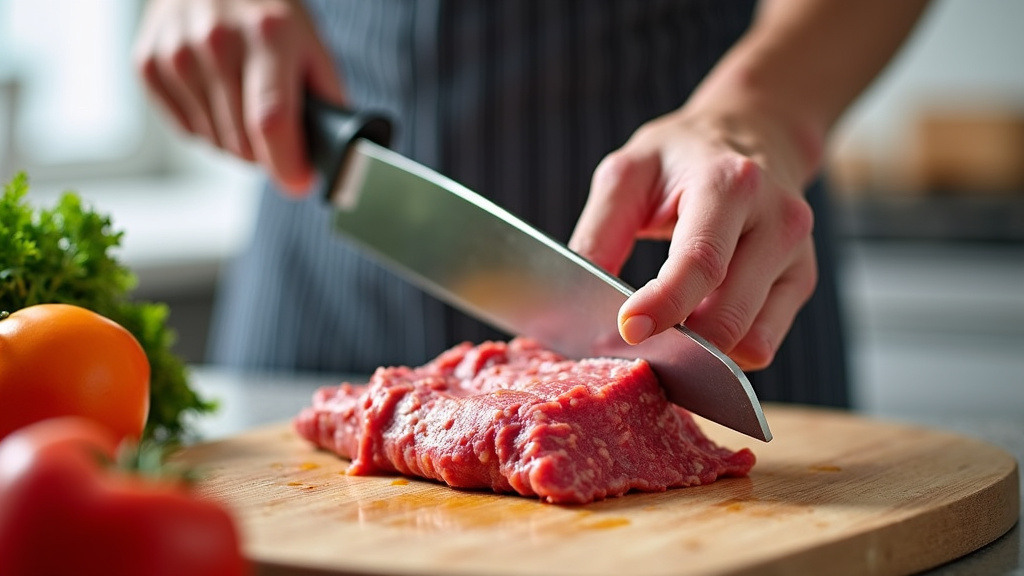
When you’re slicing, always keep your hands away from the blade path. Use the food pusher or carriage that comes with your slicer. These are designed to keep your fingers at a safe distance. Never try to force food through the slicer. If the machine is struggling, stop, turn it off, and assess the situation. The guard helps, but good technique is equally important. We found that many user manuals strongly advise against “fingering” the food into the slicer.
After Slicing: Cleaning and Maintenance
Cleaning is when the blade guard is most likely to be removed. Always unplug the slicer before cleaning. If you remove the guard, clean it thoroughly along with the rest of the slicer. Once everything is clean and dry, carefully reattach the blade guard. Make sure it is firmly secured. This is a vital step for future safe operation. Remember, the slicer is not ready to be stored or used again until the guard is back in its protective position.
Checklist: Staying Safe with Your Slicer Guard
To help you remember the key points, here’s a quick checklist for using your meat slicer safely, with a focus on the blade guard:
- Always ensure the blade guard is in place before operating.
- If your guard is removable, securely reattach it after cleaning.
- Inspect the guard for any damage before each use.
- Use the provided food pusher or carriage; never use your hands near the blade.
- If you’re unsure about a feature or safe operation, consult your owner’s manual.
- Unplug the slicer before cleaning or any maintenance.
Conclusion
Your meat slicer’s blade guard is more than just a piece of plastic; it’s your primary defense against serious injury. We’ve seen how it protects your hands, prevents contamination, and ensures proper operation. Whether fixed, removable, or adjustable, its presence is non-negotiable for safe slicing. Remember, a few extra seconds spent checking and reattaching your guard after cleaning are a small price to pay for keeping your fingers safe. Make this safety check a habit, and always consult your manual if you’re ever unsure.
Frequently Asked Questions
How often should I clean my meat slicer blade guard?
You should clean your meat slicer blade guard every time you use the slicer. This is especially true if the guard is removable. Thorough cleaning prevents food buildup and maintains hygiene. Make it a part of your post-slicing routine.
What if my meat slicer didn’t come with a blade guard?
If your slicer is missing its blade guard, do not use the machine. Contact the manufacturer or a reputable parts supplier to obtain a replacement. Operating a slicer without its guard is extremely dangerous and should be avoided at all costs.
Can I slice food without the blade guard if I’m very careful?
No, you should never slice food without the blade guard in place, no matter how careful you are. Accidents can happen in an instant due to slips or distractions. The guard is designed to protect you from those unexpected moments. Safety should always come first.
How do I safely remove and reattach a removable blade guard?
Always unplug your slicer before attempting to remove or reattach the blade guard. Refer to your owner’s manual for specific instructions, as methods vary by model. Ensure the guard clicks or locks securely into place before you plug the slicer back in and use it.
Are there different safety standards for home versus commercial meat slicer guards?
While the fundamental purpose of protecting users is the same, commercial slicers often face stricter regulations and may have more robust or specialized guards. For home use, always ensure your slicer has a guard and that it’s in good condition. Following manufacturer instructions is key for both settings.