What Is a Scalloped Slicer Blade? A Beginner’s Guide
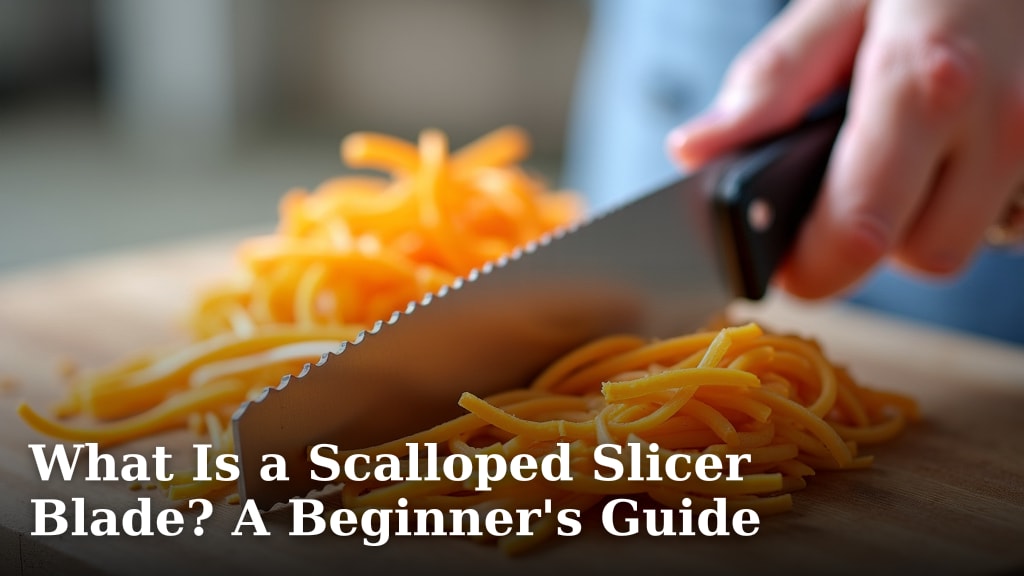
A scalloped slicer blade is a specialized kitchen tool with a wavy or serrated edge. It’s designed to slice softer foods cleanly without tearing them. You’ll often find these on tomato slicers or mandoline attachments. This unique edge helps prevent mushy results on delicate items. For a different kind of slicing, learn about a manual meat slicer.
Think of it like a tiny, precise saw for your food. Unlike a straight blade that can crush soft skins, the scallops make clean cuts. Many home cooks have found these blades very helpful for achieving professional-looking results. They are particularly useful for slicing items like ripe tomatoes, soft cheeses, or even cakes.
- A scalloped slicer blade has a wavy edge.
- It cuts soft foods without crushing.
- Common on tomato slicers and mandolines.
- Helps prevent mushy, torn pieces.
- Great for ripe tomatoes and soft cheeses.
Let’s dive into what makes these blades so special and how you can use them effectively in your kitchen.
Understanding the Scalloped Slicer Blade: A Closer Look
So, what exactly makes a scalloped slicer blade different from the knives you use every day? Think of your regular kitchen knife. It has a nice, straight edge, right? That works wonders for tougher foods like carrots or potatoes. But for delicate items, that straight edge can sometimes cause trouble. That’s where the scalloped blade shines.
A scalloped blade features a series of small, curved indentations along its cutting edge. These curves are often called “waves” or a “wavy edge.” They are strategically placed to create tiny points of contact with the food. This design is not just for looks; it’s all about how the blade interacts with softer ingredients. It helps to slice cleanly without dragging or tearing.
How the Scalloped Edge Works Its Magic
You might be wondering, “How can little waves cut better than a straight line?” It’s all about physics, really. When you use a straight blade on something soft, like a ripe tomato, the entire edge makes contact at once. This can cause the skin to stretch and tear before the blade even cuts through. It’s like trying to push a wet sponge through a narrow opening – it just squishes.
With a scalloped blade, the situation is different. Instead of a continuous line, you have multiple small, sharp points. These points make the initial contact with the food. They create tiny starting points for the cut. This reduces the amount of pressure needed and prevents the soft interior from being mushed. It’s more like a series of precise, tiny cuts happening in rapid succession.
The Science Behind the Slice
Research into blade design shows that the spacing and depth of these scallops are important. For kitchen tools, they are typically designed to be shallow and close together. This ensures a smooth transition from one point of contact to the next. The goal is to create a cutting action that is efficient and gentle. You get a clean slice without crushing the delicate flesh beneath the skin.
Many cutting tools use a similar principle. Think about saws. A fine-toothed saw is used for smooth cuts on wood, while a coarse-toothed saw is for faster, rougher cuts. The scalloped blade is like the fine-toothed saw of your kitchen – precise and clean. This means you avoid the unsightly tearing you can get with a regular knife on soft produce.
Comparing Scalloped vs. Straight Blades
Let’s break down the differences in a simple way. Imagine you have two blades: one straight and one scalloped. You’re about to slice a perfectly ripe, juicy peach. If you use the straight blade, you might find yourself pressing down, and the peach might squish a bit. The juice could run out before you get a neat slice.
Now, try the scalloped blade. As you start to cut, the tiny points of the scallops grip the skin just enough. They make a small incision. Then, the waves gently saw through the flesh. You’ll likely find you need less pressure. The result? A beautiful, clean slice of peach, with its juices contained. This is why scalloped blades are often called “tomato knives” or “serrated slicers.”
Where You’ll Find Scalloped Slicer Blades
These specialized blades aren’t found on every kitchen tool, but they pop up in a few key places where precision with soft foods is needed. You’ll most commonly see them integrated into other kitchen gadgets. This makes them incredibly convenient for specific tasks.
Tomato Slicers and Dedicated Knives
Perhaps the most well-known application is the dedicated tomato slicer. These can be handheld knives or even countertop machines. The primary job of these tools is to slice tomatoes without turning them into a pulpy mess. A good scalloped blade on a tomato slicer knife means you can get thin, even slices for sandwiches and salads. We’ve found many home cooks swear by these for perfect tomato prep.
It’s not just about tomatoes, though. Some knives are specifically marketed as “serrated slicers” and feature scalloped blades. These are great for other soft fruits and vegetables, like ripe kiwis, plums, or even firm but ripe avocados. The key is the ability to handle delicate skins and soft interiors.
Mandoline Slicers and Food Processors
Mandoline slicers are popular for achieving uniform slices of various foods. Many mandolines come with interchangeable blades, and one of the most useful is the scalloped or serrated option. This allows you to slice soft cheeses, or even cakes, with a clean finish. Imagine making delicate fruit tarts – a scalloped blade on your mandoline can help you achieve professional-looking results.
Some higher-end food processors might also feature blades with a scalloped edge for specific functions, like pureeing softer ingredients without overworking them. While less common than in mandolines or dedicated knives, it shows the versatility of the design. The goal is always to provide a cleaner, more controlled cut for challenging foods.
Other Specialty Kitchen Tools
Beyond these common examples, you might encounter scalloped blades in other niche kitchen gadgets. Think about tools designed for specific pastries or desserts. For instance, a cake slicer might incorporate a scalloped edge to glide through soft cakes and frostings. Some specialty slicers for items like mozzarella cheese also use this design. The principle remains the same: to cut softly without crushing.
Foods That Benefit Most from a Scalloped Blade
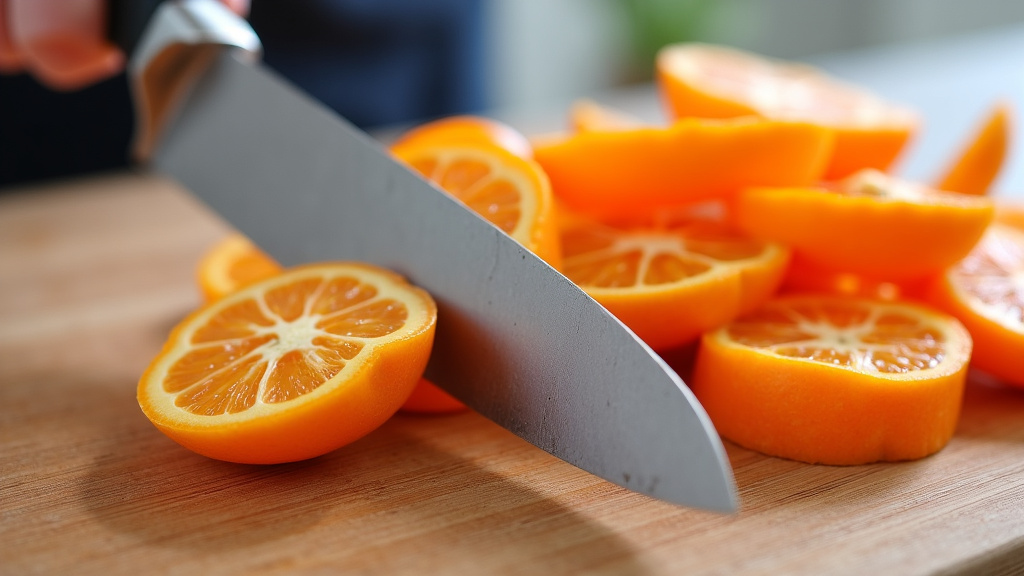
Not every food item needs the gentle touch of a scalloped blade. However, when you’re dealing with ingredients that are a bit too soft for a straight blade, this is your go-to. Let’s look at some of the stars of the show.
The King: Ripe Tomatoes
It’s no surprise that ripe tomatoes are at the top of the list. Their skins are thin, and their flesh is soft and juicy. A straight knife often compresses the tomato, pushing out seeds and juice. The scalloped blade, however, slices through the skin and flesh with minimal damage. This means you get perfect, intact slices for your caprese salad or BLT sandwich.
Soft Cheeses and Dairy
Think about slicing a fresh mozzarella ball or a block of soft brie. These cheeses can be sticky and prone to smearing with a straight blade. A scalloped slicer blade can glide through them more cleanly. It helps to avoid that messy, gunked-up blade. Many cheese slicers that aim for clean cuts will use a serrated or scalloped edge. This is a tip often shared by cheese mongers.
Delicate Fruits and Vegetables
Beyond tomatoes, many other fruits and vegetables can benefit. Ripe peaches, nectarines, plums, and kiwis are good candidates. Even soft-skinned peppers can sometimes be tricky. For vegetables, think about ripe zucchini, eggplant, or even soft-fleshed gourds. If it feels like it might squish when you cut it, a scalloped blade is likely your best bet.
Baked Goods: Cakes and Pastries
Did you know a scalloped blade can be great for baking? Cutting through a soft cake with delicate frosting can be challenging. A scalloped knife can slice through the layers and frosting cleanly, preventing squashed cakes. This is especially true for sponge cakes or cakes with soft fillings. It helps maintain the beautiful presentation you worked hard for.
A Practical Comparison Table
Here’s a quick look at how different foods fare with each blade type:
| Food Item | Best with Straight Blade | Best with Scalloped Blade |
|---|---|---|
| Carrots | Yes | No (overkill) |
| Potatoes | Yes | No (overkill) |
| Ripe Tomatoes | No (messy) | Yes (clean slices) |
| Soft Cheeses (e.g., Mozzarella) | No (sticky/smears) | Yes (clean cuts) |
| Firm Apples | Yes | No (less efficient) |
| Soft Cakes | No (can crush) | Yes (clean slices) |
Tips for Using Your Scalloped Slicer Blade Effectively
Having a scalloped blade is one thing, but using it correctly makes all the difference. You want to get those clean, professional-looking cuts every time. Here are a few tips to help you master this handy tool.
Proper Handling and Technique
The key is to let the blade do the work. You don’t need to force it. For items like tomatoes, start the cut gently. Apply light pressure and use a slight sawing motion. Imagine you’re guiding the blade rather than pushing it. This gentle approach prevents the food from being crushed. Many experts recommend a back-and-forth motion rather than a hard downward press.
Keeping Your Blade Sharp and Clean
Like any knife, a scalloped blade works best when it’s sharp. Even though it’s serrated, dulling can still happen. Check the manufacturer’s instructions for how to sharpen it. Some serrated knives can be sharpened, while others are designed to be replaced. Regular cleaning is also important. Wash it by hand with soap and water after each use. Dry it thoroughly to prevent rust or damage.
What to Avoid
There are certain foods that are just too tough for a scalloped blade. Trying to cut through hard root vegetables like beets or sweet potatoes will likely damage the blade. Similarly, frozen foods are a big no-no. Stick to the soft, delicate items for which the blade was designed. Using it for the wrong job can dull the scallops quickly.
Checklist for Scalloped Blade Success
Want to make sure you’re getting the most out of your scalloped slicer? Keep these points in mind:
- Always use it on soft, ripe produce.
- Employ a gentle sawing motion, not forceful pressing.
- Keep the blade sharp according to the manufacturer’s guide.
- Wash and dry it immediately after use.
- Avoid using it on hard vegetables or frozen items.
- Practice on less delicate items first if you’re new to it.
Conclusion
You’ve learned that a scalloped slicer blade is your secret weapon against mushy produce. Its unique wavy edge makes clean, precise cuts on soft foods that straight blades struggle with. Whether you’re slicing ripe tomatoes for a sandwich or delicate cakes for dessert, this specialized blade prevents tearing and crushing. Now that you understand its design and benefits, try incorporating a scalloped slicer into your kitchen routine. Your next tomato-based dish or beautifully sliced cake will thank you!
Frequently Asked Questions
Are scalloped blades good for cutting bread?
Generally, scalloped blades are designed for soft foods, not dense bread. A serrated bread knife with larger, more aggressive teeth is typically better for slicing bread cleanly. Using a scalloped slicer on bread might result in tearing rather than a neat cut.
Can I sharpen a scalloped slicer blade myself?
It depends on the specific blade. Some scalloped blades can be sharpened with a specialized serrated knife sharpener or by a professional. Always check the manufacturer’s recommendations, as some designs might be intended for replacement rather than sharpening.
How is a scalloped blade different from a serrated knife?
While often used interchangeably, scalloped blades typically have shallower, more rounded waves. Serrated knives can have deeper, more pointed teeth. Both aim to reduce friction and make cleaner cuts on soft items, but the specific design can affect performance.
Will a scalloped blade work on very firm fruits like apples?
A scalloped blade is best for soft fruits and vegetables. For firm items like apples or pears, a straight-edged knife or a standard chef’s knife will usually provide a cleaner and more efficient cut. The scalloped edge might not grip or cut through firm flesh as effectively.
How should I store my scalloped slicer blade?
Store your scalloped slicer blade safely to protect both yourself and the blade. Ideally, keep it in a knife block, a blade guard, or a drawer organizer designed for knives. This prevents accidental cuts and keeps the delicate edge from being damaged.