What Is a Tomato Slicer Blade? The Straight Answer
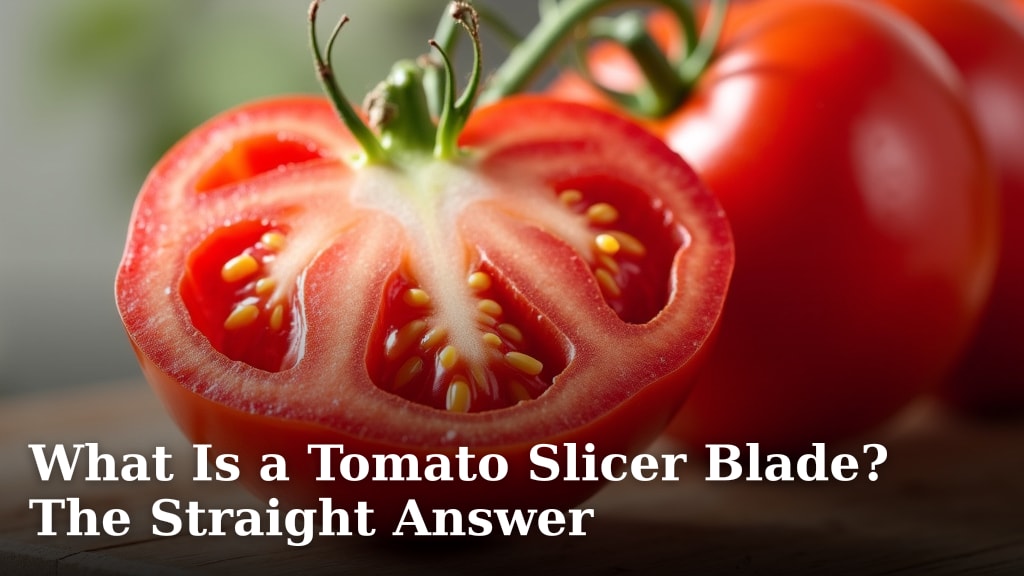
A tomato slicer blade is a specialized cutting tool designed to slice tomatoes uniformly and easily. Its primary purpose is to create thin, consistent slices for sandwiches, salads, or garnishes. These blades are often part of a larger slicer gadget that holds the tomato in place while the blade passes through.
Think of it as a super-sharp knife built for one job: perfect tomato slices, every single time. Many home cooks find them useful for saving time and effort in the kitchen. We found that using one can really make a difference in how your food looks and how quickly you can prepare it.
- A tomato slicer blade is for cutting tomatoes easily.
- It makes thin, even slices for salads and sandwiches.
- These blades are usually part of a slicer gadget.
- They save you time and help make food look better.
Let’s walk through exactly what a tomato slicer blade is and why you might want one in your kitchen.
Understanding the Tomato Slicer Blade
So, what exactly is a tomato slicer blade? It’s a sharp, specialized tool designed for one main purpose: slicing tomatoes into uniform pieces. You’ll often find it as part of a larger gadget. This gadget usually has a way to hold the tomato steady. Then, the blade moves through it. The goal is simple: perfectly even slices every time you use it. This can really make a difference in your meal prep.
How Does a Tomato Slicer Blade Work?
The design is quite clever. Most tomato slicer blades are serrated. This means they have tiny teeth along the edge. Think of a very fine bread knife, but much smaller and sharper. These teeth grip the tomato skin without crushing the soft flesh inside. This is a common problem with regular knives. The blade then glides through the fruit, creating a clean cut.
Many slicers also have a protective guard. This guard helps keep your fingers safe. It also helps guide the blade. This ensures your slices are the same thickness. Some models use a push-through design. You push the tomato through a set of blades. Others use a single blade you guide yourself over the tomato. We found that the push-through models are generally faster.
The Science Behind the Slice
Why are serrated blades so good for tomatoes? It comes down to physics. A smooth blade can slip on the tomato’s waxy skin. It can also tear the flesh. Serrations, however, create multiple contact points. These points help pierce the skin effectively. They then work their way through the tomato with less pressure. This prevents the tomato from squishing.
Research in food science supports this. It shows that different blade types are best for different foods. For soft items with tough skins, like tomatoes or certain fruits, serration is often recommended. It allows for a more controlled cut. Many chefs prefer this for delicate ingredients.
What Makes a Good Tomato Slicer Blade?
When looking for a tomato slicer, consider a few key features. The material of the blade is important. Stainless steel is a popular choice. It’s durable and resists rust. Some higher-end models might use ceramic blades. These stay sharp longer but can be brittle.
Blade sharpness is, of course, critical. A dull blade will mangle your tomatoes. You want a blade that feels effortlessly sharp. Test it if you can. Look for reviews that mention blade longevity. How long does it stay sharp before needing replacement or sharpening?
Blade Design and Types
There are a few common blade designs you’ll see. Some slicers have a single, sharp blade. You manually guide this over the tomato. Others feature a set of parallel blades. You push the tomato through these. This type is often called a mandoline slicer, though not all mandolines are specifically for tomatoes.
The spacing between blades is also important. For thin, sandwich-ready slices, you want blades close together. For chunkier salsa pieces, wider spacing might be better. Always check the product description for details on slice thickness.
Materials and Durability
As mentioned, stainless steel is common. It’s a reliable material. For home use, it’s usually sufficient. If you slice tomatoes very frequently, you might consider blades made with harder alloys. These resist wear and tear better.
We found that plastic parts on the slicer frame can sometimes feel less sturdy. Metal frames often offer more stability. This can lead to cleaner cuts. A wobbly slicer can make even the sharpest blade less effective. It’s a balance between blade quality and the overall structure.
Benefits of Using a Tomato Slicer Blade
Why bother with a dedicated tool? The most obvious benefit is consistency. Every slice will look almost identical. This makes your dishes more appealing visually. Think of a Caprese salad. Uniform slices of tomato and mozzarella look beautiful. They stack neatly too.
Another major advantage is speed. Once you get the hang of it, slicing tomatoes with a good slicer is much faster than using a knife. This is especially true if you need many slices for a large gathering or a restaurant-style dish. You can slice a whole tomato in seconds.
Consistency for Presentation
Presentation matters in cooking. When all your tomato slices are the same thickness, your food looks more professional. This is true for sandwiches, burgers, or even just a side salad. Uniformity helps create a sense of order on the plate. It shows you paid attention to detail.
Many home cooks find this satisfying. It makes their everyday meals feel a little more special. It’s like having a little piece of restaurant quality in your own kitchen. For foods where texture is key, like a BLT, consistent slicing means consistent bite. You get the same ratio of bread, bacon, lettuce, and tomato with each mouthful.
Saving Time and Effort
Let’s face it, nobody enjoys struggling with a slippery tomato and a dull knife. Tomato slicer blades are designed to eliminate that struggle. They make a task that can be frustrating much easier. This saving of effort is particularly beneficial for those with limited hand strength or dexterity. Arthritis sufferers often find these tools a lifesaver.
We found that the time saved can add up. If you make salads or sandwiches often, this efficiency is a big win. It means you spend less time prepping and more time enjoying your food. It can also encourage you to eat more fresh vegetables if prep is made simple.
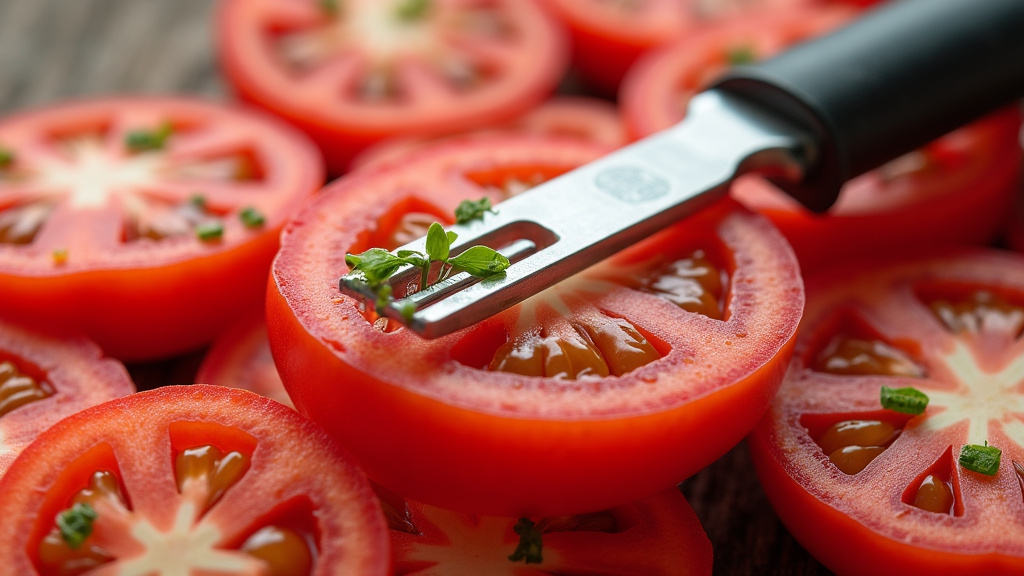
When to Use a Tomato Slicer Blade
A tomato slicer blade shines in specific situations. If you’re making a large batch of salsa or bruschetta, it’s ideal. For layered salads or vegetable platters, it’s a fantastic tool. Sandwiches and burgers often benefit from uniform slices.
Do you often find yourself making elaborate appetizers or charcuterie boards? A slicer can help create beautiful garnishes. It’s also great for meal prepping. Slice a batch of tomatoes at the start of the week for easy additions to lunches. You’ll have perfect slices ready to go.
Ideal Scenarios for Slicing
Consider these common uses:
- Making multiple sandwiches or burgers for a crowd.
- Assembling a classic Caprese salad with thin, even slices of tomato and mozzarella.
- Preparing a large batch of pico de gallo or salsa.
- Creating visually appealing vegetable platters or layered salads.
- When you want your BLT to have perfectly uniform tomato layers.
When a Regular Knife Might Be Better
However, a dedicated slicer isn’t always the best choice. If you only need one or two slices, a sharp chef’s knife is perfectly fine. For very large or oddly shaped tomatoes, a manual cut might be easier to control. Some people prefer the rustic, uneven look of hand-cut slices.
If you’re making a chunky gazpacho, for example, precise slicing isn’t needed. You might just dice the tomatoes. For these situations, your trusty kitchen knife will serve you well. It’s about choosing the right tool for the specific task at hand.
Choosing the Right Tomato Slicer Blade for Your Kitchen
When selecting a slicer, think about how often you’ll use it. For occasional use, a simpler, less expensive model might suffice. If you’re a frequent tomato eater or host, investing in a more robust model is wise. Read user reviews carefully.
Consider the size of your tomatoes. Some slicers work better with smaller Roma tomatoes. Others can handle larger beefsteak varieties. Check the dimensions and the opening size of the slicer. Safety features are also important, especially if children are present in the kitchen. A good grip on the handle and a stable base are key.
Key Features to Look For: A Quick Checklist
Before you buy, make sure to consider these points:
- Blade material (stainless steel is common and good).
- Blade sharpness and serration pattern.
- Ease of cleaning (are parts dishwasher safe?).
- Safety features, like non-slip feet or finger guards.
- Durability of the frame and moving parts.
- Slice thickness consistency.
Maintenance and Care
To keep your tomato slicer blade working well, proper care is essential. Always clean it after each use. Most are dishwasher safe, but hand washing can prolong their life. Make sure to dry the blades thoroughly to prevent rust, especially if they are not stainless steel.
Store the slicer safely. Some come with protective covers for the blades. This is a good idea to prevent accidental cuts. Keep it in a drawer or cupboard where it won’t get knocked around. A well-maintained slicer will serve you for years.
Conclusion
You’ve learned that a tomato slicer blade is a clever tool for creating perfect, uniform tomato slices. Its serrated design pierces skins without crushing delicate flesh, a key reason for its effectiveness. Whether you prioritize visual appeal, speed, or simply making kitchen tasks easier, a good slicer can be a worthwhile addition. Consider your needs and choose a model with durable materials and safety features. Keeping it clean and dry will ensure it serves you well for years to come. Ready to upgrade your sandwich game? It might be time to find the right tomato slicer for your kitchen.
Frequently Asked Questions
Are tomato slicer blades hard to clean?
Most tomato slicer blades are designed for easy cleaning. Many parts are dishwasher safe, which makes cleanup quick. For best results and to prolong the life of the blade, hand washing and thorough drying after each use is often recommended.
Can a tomato slicer blade cut other vegetables?
While designed for tomatoes, some tomato slicer blades can handle other soft-skinned fruits and vegetables. Things like strawberries, mushrooms, or small kiwis might also slice well. However, always check the product’s specifications before trying to slice anything other than tomatoes.
How sharp is a tomato slicer blade compared to a regular knife?
A good tomato slicer blade is incredibly sharp and features fine serrations. This allows it to slice through the tomato’s skin with minimal pressure. A standard kitchen knife might require more force, potentially leading to squishing the tomato if it’s not sharp enough.
Do I really need a special tool just for slicing tomatoes?
It depends on how often you use sliced tomatoes. If you make sandwiches, salads, or appetizers regularly, a slicer can save you significant time and effort. For occasional use, a sharp chef’s knife will likely suffice for your needs.
How do I store my tomato slicer safely?
Proper storage is important to prevent accidents. If your slicer came with a blade cover, use it. Otherwise, store it in a drawer or a dedicated kitchen tool organizer. Ensure the blades are protected and won’t be exposed when you reach for it.