What Types of Meat Slicer Blades Are There? The Basics
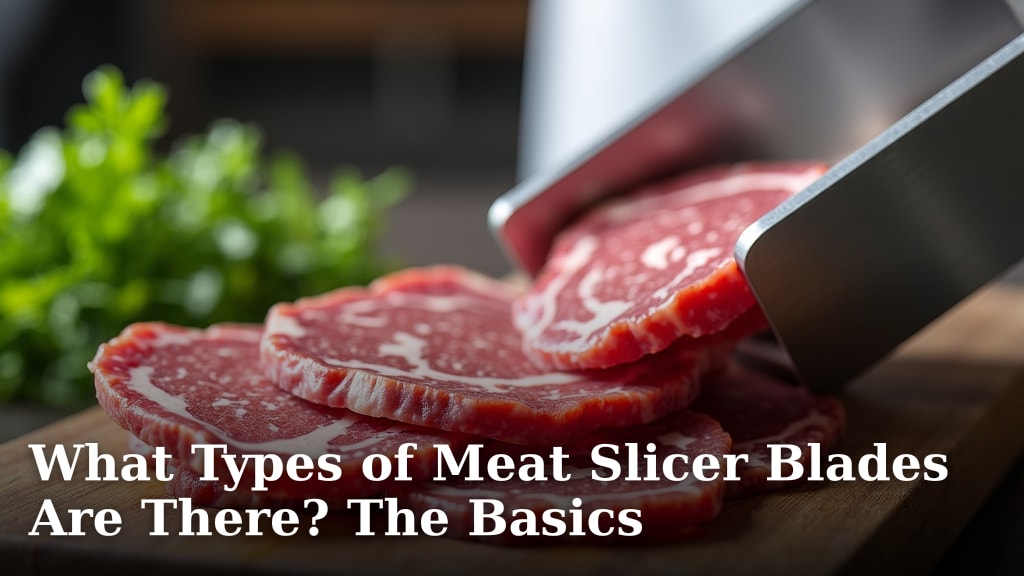
Meat slicer blades are categorized into three primary types: slicer blades for smooth cuts, serrated blades for tearing tough surfaces, and scalloped blades for fragile foods. Each is designed for a specific cutting task.
Choosing the wrong blade can damage your food or your machine. We found that the blade’s tooth pattern is the most important factor. It directly affects how the meat is cut.
- The three main blade types are slicer, serrated, and scalloped.
- Slicer blades have smooth edges for delicate, clean cuts of meat.
- Serrated blades have saw-like teeth for tough crusts and fibrous foods.
- Scalloped blades have large, scalloped teeth for delicate items like cheese.
- Blade size, typically measured in inches, must match your slicer.
Below, we break down the specific uses and best foods for each blade type. You will know exactly which blade to use for your next kitchen task.
Understanding the Core Types of Meat Slicer Blades
When you look at a meat slicer, the blade is the heart of the machine. It determines whether you get a perfect, paper-thin slice of roast beef or a crumbly mess of cheese. We found that the three primary blade designs each serve a distinct purpose. Knowing which one fits your task saves food, time, and frustration.
Think of it like using the right knife in your kitchen drawer. You wouldn’t use a bread knife for peeling carrots. The same logic applies to your slicer. The tooth pattern on the edge is the key. It dictates how the blade interacts with the food.
The Standard Slicer Blade: For Clean, Smooth Cuts
This is the most common blade you will encounter. It has a completely smooth, straight edge with no teeth or serrations. Its design is for precision and finesse. You use it when you want a clean, unbroken surface on your food.
Many experts say this blade is the go-to for deli meats, cooked roasts, and ham. It glides through soft muscle fibers without tearing them. The result is a professional-looking slice that holds together on a sandwich or platter.
Best Foods for the Slicer Blade
Your smooth slicer blade shines with foods that have a uniform, tender texture. It is not aggressive. It relies on a sharp edge and steady pressure.
- **Cooked Meats:** Roast beef, turkey breast, ham, and corned beef.
- **Cold Cuts:** Bologna, salami, and other deli-style meats.
- **Other Uses:** Soft fruits and vegetables like tomatoes (with a very sharp blade).
Why the Smooth Edge Matters
A smooth edge creates minimal friction. This means less heat buildup, which is good for fatty meats. The meat stays cool and doesn’t smear. For you, this translates to neat, appetizing slices. Nobody wants a sandwich with ragged, torn meat. A slicer blade helps avoid that.
The Serrated Blade: For Tough Textures and Crusts
Now, let’s talk about the blade with teeth. A serrated blade has small, saw-like points along its edge. These teeth are designed to grip and tear through surfaces that a smooth blade would slip on or crush.
We found that serrated blades are essential for cutting items with a hard exterior or a fibrous structure. They break the surface first, then slice through the interior. It’s like using a saw instead of a butter knife on a tough loaf of bread.
Perfect Uses for the Serrated Blade
This blade is your workhorse for more challenging foods. It handles the crusts and fibers that defeat a smooth edge.
- **Bread and Baked Goods:** Crusty bread, bagels, and pastries.
- **Fibrous Meats:** Certain cuts of ham with a tough rind or cooked brisket.
- **Fruits with Skins:** Pineapple, watermelon, or firm tomatoes.
A Note on Fibrous Meats
Some meats have long, tough fibers running through them. A smooth blade can shred these fibers. A serrated blade cuts across them cleanly. Think of slicing a cooked flank steak. The serrated edge manages the grain better.
The Scalloped Blade: For Delicate and Sticky Foods
The scalloped blade looks different. It has larger, rounded, wave-like teeth. These are often called “scallops” or “gullets.” This design is for foods that are soft, crumbly, or prone to sticking to a flat blade.
Many guidelines from culinary sources point to the scalloped blade as ideal for cheese. The large scallops create air pockets. This helps prevent the cheese from sticking and tearing. It’s also great for other delicate items.
When to Reach for the Scalloped Blade
This blade is not for everything. Use it where a smooth blade would crush and a serrated blade would shred.
- **Cheese:** Soft cheeses like brie, or harder cheeses that can crumble.
- **Fruits and Vegetables:** Delicate items like strawberries or cooked root vegetables.
- **Other:** Some types of soft bread or very tender cooked meats.
How the Scalloped Edge Works
The large, rounded teeth of a scalloped blade cut with a gentle motion. They reduce the pressure on the food. This is why it’s perfect for crumbly cheese. The blade pushes through without smashing the structure. For you, this means beautiful, intact slices of food.
Blade Comparison at a Glance
To make it easier, here is a simple comparison of the three main blade types. This table summarizes what we’ve discussed. It helps you decide quickly.
| Blade Type | Edge Design | Best For | Key Advantage |
|---|---|---|---|
| Slicer Blade | Smooth, straight edge | Cooked meats, deli slices | Clean, delicate cuts |
| Serrated Blade | Small, saw-like teeth | Bread, tough rinds, fibrous meats | Cuts through hard surfaces |
| Scalloped Blade | Large, rounded teeth | Cheese, delicate fruits/veggies | Reduces sticking and crushing |
Choosing the Right Blade for Your Kitchen
Now you know the types. How do you pick? It depends on what you plan to slice most often. Your slicer likely came with one blade. You can often buy others separately.
Ask yourself: “What do I slice the most?” If it’s deli meats, stick with the standard slicer. If you slice a lot of bread or tough roasts, consider a serrated one. For a cheese lover, the scalloped blade is a must-have.
Considering Blade Material and Size
The blade material is usually stainless steel. It resists rust and holds an edge well. Some are carbon steel, which can be sharper but needs more care.
Blade size is also critical. Most home slicers use 10-inch blades. Commercial ones may use 12-inch or larger. Always match the blade to your machine. A wrong size is a safety hazard and won’t work.
What About Blade Thickness?
Blade thickness affects rigidity. A thicker blade is sturdier for hard foods. A thinner blade allows for paper-thin slices. For home use, a standard thickness works well. It balances performance and ease of use.
Blade Maintenance and Safety
A sharp blade is a safe blade. Dull blades require more force, which is dangerous. Regular cleaning is also key. Most blades can be removed for washing. Always unplug your slicer first.
We found that food residue can build up on the teeth. For serrated and scalloped blades, use a small brush. For a smooth blade, a cloth works well. Dry the blade completely before storing. This prevents rust.
Follow the manufacturer’s guidelines for sharpening. Some blades can be sharpened at home with a stone. Others may need professional service. Proper care extends the life of your blade and your slicer.
Quick Checklist: Picking Your Perfect Blade
Here is a simple checklist to guide your choice. Use it when shopping or when planning your next slicing task.
- **Match the blade to your machine:** Check the diameter and fit before buying.
- **Identify your main food:** Slicer for meats, serrated for bread, scalloped for cheese.
- **Consider sharpness:** A new blade is best. Dull blades are unsafe and inefficient.
- **Plan for cleaning:** Choose a blade you can easily remove and wash.
- **Store properly:** Keep blades in a dry place, ideally in a protective cover.
- **Safety first:** Always use a food pusher and keep hands clear of the blade.
Putting It All Together
You now have a solid understanding of the three main meat slicer blade types. Each one has a specific job. Using the right blade makes your kitchen work easier and more professional.
Remember, the goal is to prepare food that looks and tastes great. A little knowledge about blades goes a long way. The next time you use your slicer, you’ll know exactly which blade to choose. You’ll get clean, consistent slices every time.
Enjoy your perfectly sliced meats, cheeses, and more. A good blade is a true kitchen companion.
Conclusion
You now know the three main meat slicer blade types: slicer, serrated, and scalloped. Each one is built for a specific job. The smooth slicer blade gives you clean deli cuts. The serrated blade handles tough crusts and fibers. The scalloped blade protects delicate foods like cheese from crushing. Picking the right blade is not hard once you know the basics. It saves you food, time, and frustration in your kitchen.
Start by looking at what you slice most often. Then check that your blade matches your machine. A sharp, well-matched blade is the best investment you can make. You’ll get better results every time you use your slicer.
Frequently Asked Questions
Can I use one blade for all types of food?
It is tempting, but one blade does not work well for everything. A smooth slicer blade will struggle with crusty bread. A serrated blade will shred soft cheese. Using the right blade for each food protects your food and your machine. We recommend keeping at least two blade types on hand if you slice a variety of items.
How often should I replace my meat slicer blade?
It depends on how often you use your slicer. A home user might get a year or more from one blade. Heavy daily use will wear it down faster. Replace the blade when it no longer cuts cleanly or you have to press harder. A dull blade is a safety risk, so do not wait too long to swap it out.
Are meat slicer blades universal across different brands?
Not always. Blade size and fit vary between slicer models. Most home slicers use 10-inch blades, but some use different measurements. Always check your slicer’s manual or the manufacturer’s specs before buying a replacement blade. A blade that does not fit properly can be dangerous and will not perform well.
Can I sharpen a serrated or scalloped blade at home?
Sharpening serrated and scalloped blades at home is tricky. The teeth make it hard to get an even edge with a basic sharpening stone. We found that many serrated and scalloped blades need professional sharpening or replacement. Smooth slicer blades are easier to maintain at home. If your toothed blade is dull, consider taking it to a professional or buying a new one.
What happens if I use the wrong blade for my food?
You risk ruining the texture of your food and putting extra strain on your slicer. For example, using a smooth blade on crusty bread may crush it. Using a serrated blade on soft cheese will shred it. The wrong blade can also cause the machine to overheat or the food to smear. Always match your blade to the food for the best results.