How to Clean a Meat Slicer
To clean a meat slicer, unplug it, remove parts as the manual allows, wash and sanitize food-contact surfaces, then dry them fully before reassembling. Keep water away from the motor and electrical parts.
On this page (10 sections)
- How do you clean a meat slicer step by step?
- Which parts need cleaning on a deli slicer?
- How do you wash and sanitize meat slicer parts?
- How do you clean the slicer body and work area?
- How should you dry and reassemble a meat slicer?
- Should you lubricate a meat slicer after cleaning?
- What mistakes should you avoid when cleaning a meat slicer?
- How do you clean a VEVOR or LEM meat slicer?
- How often should you clean a meat slicer?
- What is the safest cleaning routine to follow?
To clean a meat slicer, unplug it, remove parts as the manual allows, wash and sanitize food-contact surfaces, then dry them fully before reassembling. Keep water away from the motor and electrical parts.
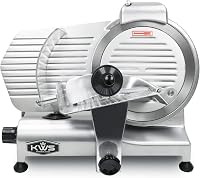
A deli slicer can trap scraps around the blade, guard, carriage, and food pusher. Work in a steady order, use tools the manual permits, and don't handle the blade edge directly.
How do you clean a meat slicer step by step?
Unplug, disassemble, wash, rinse, sanitize, dry, and reassemble in that order. Check the manual first for parts that can be removed and any cleaning products or methods to avoid.
- Switch off and unplug the slicer. Set the thickness control to zero if the manual directs you to do so.
- Put on cut-resistant gloves and clear away large food scraps with a disposable towel or a tool approved by the manual.
- Remove the food pusher, carriage, blade cover, and other detachable parts as instructed.
- Wash removable parts with detergent and warm water, using a brush or cloth to reach seams.
- Rinse away detergent, then sanitize food-contact surfaces with a product labeled for that use.
- Let the sanitizer sit for the contact time on its label, if required.
- Air-dry parts completely or use a clean towel if the manual allows it.
- Wipe the fixed surfaces with a damp cloth, avoiding the motor, switches, and electrical openings.
- Reassemble only when every part is dry, following the manual.
Don't spray cleaner directly at the motor or controls. Put cleaner on a cloth when wiping fixed surfaces, unless the manufacturer gives different instructions.
Which parts need cleaning on a deli slicer?
Clean every surface that food or hands touch, including the blade, blade guard, carriage, food pusher, receiving tray, and nearby seams. The manual shows which parts are removable and how to access them.
The blade deserves careful attention because meat residue can cling near its center and along the guard. Never wipe toward the sharp edge, and don't leave the blade exposed while you clean other parts.
Pay attention to crevices where slices or fat can collect. A narrow brush can help reach gaps, but use only a brush that won't shed bristles or damage the slicer's surfaces.
A meat slicer manual cleaning guide can help if your machine is operated by hand. For commercial settings, cleaning and sanitation procedures also depend on the machine and workplace rules; see what a commercial meat slicer is for context.
Can you clean around the blade without removing it?
Follow the manual's blade-removal instructions before cleaning around or behind the blade. If the blade is not designed to come off for routine cleaning, use the method the manufacturer provides.
Don't guess how to loosen a blade or reach behind it. A sharp edge can cause a serious cut even when the machine is unplugged.
How do you wash and sanitize meat slicer parts?
Wash first, rinse, then sanitize with a product labeled for food-contact surfaces. Washing removes food and grease; sanitizing is a separate step that must follow the sanitizer's directions.
Use a fresh cloth or brush for food-contact parts. Rinse away soap before sanitizing if the product label or slicer manual calls for it, and observe the product's dilution and contact time.
A general surface disinfectant may not be suitable for a slicer blade or carriage. Check both the sanitizer label and the slicer manual before using any cleaner on a food-contact part.
The CleanSmart Daily Surface Cleaner is described as a daily household surface disinfectant that is safe to spray around food. Confirm its label directions and the slicer manual before deciding whether it suits a particular surface.
For a product intended specifically for slicer cleaning, compare our guide to the best meat slicer cleaner. Use only a cleaner and sanitizer that fit the machine's instructions and the food-contact label.
How do you clean the slicer body and work area?
Wipe fixed surfaces with a clean, damp cloth and keep liquid out of electrical openings. Clean the thickness dial, handles, base, and nearby counter after the removable parts are washed.
Don't hose down, immerse, or pressure-wash an electric slicer. Water entering the motor housing or switches can damage the machine and create an electrical hazard.
For a meat slicer used in a deli, follow the workplace cleaning schedule and local food-safety requirements. A commercial machine may see repeated use during service, so staff should know who cleans it and when.
Keep the cloth separate from the one used on the blade or food-contact parts. If the cloth gets greasy or dirty, replace it rather than spreading residue to clean areas.
How should you dry and reassemble a meat slicer?
Dry every removable part and crevice completely before putting the slicer back together. Moisture left under a guard or around a fastener can invite residue buildup and may affect metal parts.
Use a clean towel if the manual permits, or allow parts to air-dry in a clean place. Don't reassemble wet pieces or leave them on a dirty counter.
Check that guards and the food pusher are seated as directed. If anything seems loose or doesn't fit smoothly, stop and check the manual instead of forcing it.
Should you lubricate a meat slicer after cleaning?
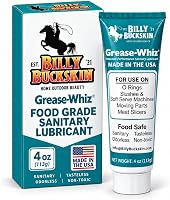
Lubricate only the points named in the manual, and use a lubricant approved for that purpose. Don't apply grease or spray to the blade or other food-contact surfaces unless the manufacturer specifically instructs you to.
The Petrol-Gel lubricant is described as NSF approved for use in food-processing equipment. Check your slicer's manual for the right lubricant and application point before using it.
Read more about choosing the best food grade lubricant for a meat slicer. If your manual calls for a different product or gives no lubrication steps, contact the manufacturer before applying anything.
For brush options, the LEM Products Meat Grinder Cleaning Kit includes one large brush, nine smaller brushes, and food-grade silicone spray for grinder equipment. Its brushes may help with cleaning tasks where a slicer manual permits a brush, but the kit is made for meat grinders, not specifically slicers.
What mistakes should you avoid when cleaning a meat slicer?
Never clean while the slicer is plugged in, reach toward an exposed blade, or let liquid enter the motor. These shortcuts can cause injury or damage the machine.
Avoid abrasive pads or strong cleaners unless the manual allows them. They can harm surfaces or leave residues where food touches the machine.
Don't use a brush that sheds bristles, and don't scrape residue with a knife. Use a suitable cloth or brush, and replace damaged cleaning tools.
How do you clean a VEVOR or LEM meat slicer?
Use the model's own manual for disassembly and care instructions, then apply the same wash, rinse, sanitize, and dry sequence. Parts and approved cleaning methods can vary by model.
For model-specific steps, see how to clean a VEVOR meat slicer and how to clean a LEM meat slicer. If you don't have the manual, look for it through the brand's support channels before removing the blade or loosening fasteners.
How often should you clean a meat slicer?
Clean and sanitize the slicer after each use and between different foods. In a commercial kitchen, follow the required schedule for the machine and the food being handled.
Prompt cleaning makes it easier to remove fresh scraps before they dry around the blade or carriage. For a detailed schedule, read how often to clean a meat slicer.
Wear a cut-resistant glove for meat slicer cleaning when handling removable parts, while remembering that gloves don't make contact with the blade safe. Keep the machine unplugged throughout cleaning.
After the slicer is clean and dry, store sliced food promptly. If you're packing portions for storage, see how to vacuum seal Ziploc bags.
What is the safest cleaning routine to follow?
Use the manual, unplug the slicer, clean removable parts, sanitize food-contact surfaces, and reassemble only when dry. Choose approved brushes and cleaners based on the machine's instructions.
For a manual slicer, follow the manual meat slicer cleaning steps. For an electric or deli slicer, use its model-specific manual and workplace procedures where applicable.
Frequently asked questions
How do you clean a meat slicer safely?
Unplug the slicer, follow its manual to remove the blade and other detachable parts, and keep water away from the motor and electrical parts. Wash food-contact parts with detergent and water, rinse, sanitize with an approved product, and let everything dry fully before reassembly.
Can you clean a meat slicer without taking it apart?
You can wipe accessible surfaces, but that may leave food behind where the blade, guard, and carriage meet. Unplug the slicer and remove parts that the manual identifies as removable so you can clean those areas safely; never force a part or loosen hardware without instructions.
What cleaner should you use on a meat slicer?
Use detergent and water for washing, then a sanitizer approved for food-contact surfaces and used according to its label. Check the slicer manual for surface restrictions, dilution, and contact time, and don't assume a general household disinfectant is suitable for the blade or other food-contact parts.
How often should you clean a meat slicer?
Clean and sanitize the slicer after each use and between different foods, especially when changing from raw to ready-to-eat foods. A commercial setting may require cleaning at specific intervals during service, so follow local food rules, the workplace procedure, and the machine manual.