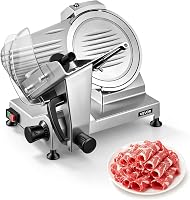
How to Use a Meat Slicer Machine
To use a meat slicer machine, secure it on a stable surface, set the thickness, position chilled food against the carriage, and move the carriage steadily past the blade. Keep the blade guard in place and follow the machine's manual.
On this page (9 sections)
- How do you set up a meat slicer machine?
- How should you position food on the carriage?
- How do you adjust the thickness for meat slices?
- What is the basic slicing technique?
- How do you keep slicing safe and consistent?
- How do you clean a meat slicer after use?
- Should you lubricate a meat slicer?
- What should you do before storing the slicer?
- How to use a meat slicer machine for your next meal
To use a meat slicer machine, set it on a stable surface, adjust the thickness, secure chilled food against the carriage, and move it steadily past the blade. Keep the guard in place, use the food pusher, and follow the machine's manual for setup and cleaning.
A careful routine makes slicing more consistent and helps keep hands clear of the blade. Turn the machine off before changing settings, handling parts, or cleaning.
How do you set up a meat slicer machine?
Place the slicer on a stable, dry surface and check that its parts are fitted as the manual directs. Keep the cord away from the blade and the work area clear before plugging it in.
Check that the blade guard and food carriage are secure. Make sure the thickness dial is at zero or the off position before you switch on the machine.
If you haven't used this type of appliance before, how a meat slicer works explains how the blade and carriage move together. The details can help you recognize which parts to keep in place while slicing.
Should a meat slicer have a thickness dial?
A thickness dial makes it easier to set the cut you want. Check whether your machine has clear markings and whether its manual explains how to adjust them safely.
Turn the control while the blade is stopped. If you're comparing features before buying, read [Should a Meat Slicer Have a Thickness Dial?
The Basics](/should-a-meat-slicer-have-a-thickness-dial/).
How should you position food on the carriage?
Use chilled, firm food and keep it supported against the carriage plate and food pusher. Cut the food to fit the carriage if needed, but follow the machine's manual for its size limits and approved foods.
Place the food so the carriage can travel smoothly. Keep your fingers behind the food pusher, away from the blade, and don't try to steady food near the cutting edge.
Trim loose packaging, ties, or bones before slicing. Don't force an awkward or oversized piece through the carriage.
How do you adjust the thickness for meat slices?
Start with a thin setting, make one test slice, then adjust the dial in small steps. Turn the slicer off before changing the setting, unless the manual gives a different procedure.
Thin slices suit some sandwiches and deli-style cuts, while thicker slices may be useful for other serving needs. The right setting depends on the food and how you plan to use it.
Use a meat slicer thickness chart as a reference for common cuts. Treat the chart as a starting point, since dial markings and slice results vary by machine.
If your dial is confusing or hard to read, the basics of a meat slicer thickness dial can help you decide what features matter.
What is the basic slicing technique?
Move the carriage with a steady, controlled motion and let the blade do the cutting. Don't press hard against the blade or rush the carriage back and forth.
Stand where you can guide the handle without reaching across the blade. Keep your posture steady and the food pusher engaged as the food gets smaller.
Switch the machine off before repositioning food or clearing a jam. Never reach toward the blade while it is moving, and don't use the slicer if the guard or carriage is loose.
How do you slice different kinds of meat?
Keep the meat cold and supported, then use a setting that suits the cut. A firm roast or ham is easier to guide than soft, warm meat that can compress or shift.
Trim a large piece into a shape that sits securely on the carriage. If you want especially thick cuts, check your machine's stated capacity and see which meat slicer can cut 1 inch thick.
Avoid slicing meat with bones or hard inclusions unless the machine's instructions specifically allow them. Stop if the food shifts, binds, or makes the carriage difficult to control.
How do you keep slicing safe and consistent?
Keep hands behind the food pusher, use the guard, and switch off the machine before adjustments. A slicer blade can cause serious cuts even when the appliance is small.
Keep children and pets away from the work area. Don't leave the slicer running unattended, and unplug it when the slicing task is finished.
Use a clean, dry cutting board or plate to collect slices. Move finished food to refrigeration promptly, and wash hands and surfaces that touched raw meat.
How do you clean a meat slicer after use?
Turn off and unplug the machine before cleaning, then follow the manual for removing parts. Avoid putting fingers near the blade edge, and use an appropriate brush or cloth for food debris.
Clean the blade, carriage, food pusher, and nearby surfaces according to the manufacturer's instructions. For product options, see meat slicer cleaners.
Rinse or wipe away cleaner as directed, then dry all parts fully before reassembly.
The LEM Products Meat Grinder Cleaning Kit includes one larger brush and nine smaller brushes for cleaning grinder parts and accessories. Its brushes may be useful for compatible, hard-to-reach food equipment parts, but confirm that your slicer manual permits the brush and spray before using them.
The kit's food-grade silicone spray is described for grinder equipment. Don't apply it to a slicer unless the slicer's manual allows that specific lubricant and application.
For counters and other household surfaces, CleanSmart is described as a daily surface cleaner and disinfectant for surfaces such as countertops. Follow its label and keep it off slicer parts unless the machine's care instructions allow it.
Should you lubricate a meat slicer?
Lubricate only the parts and points named in the slicer's manual. For food-safe options, see food-grade slicer lubricants.
Using the wrong lubricant or applying it to the wrong area can affect machine operation or food-contact surfaces.
Petrol-Gel is a food-grade equipment lubricant intended for food-processing machinery parts. Its description includes equipment such as mixers and meat grinders, but check your slicer's instructions before using it.
Apply only the amount and type the manual calls for. Keep lubricant away from the blade and other surfaces unless the manufacturer specifically directs otherwise.
What should you do before storing the slicer?
Clean and dry the machine, return the thickness dial to zero, and store it with the blade guard in place. Unplug the cord and keep the slicer somewhere dry and out of children's reach.
Check that all removable parts are dry before putting them back on. Store brushes and other cleaning supplies separately so they don't touch food-contact surfaces after use.
How to use a meat slicer machine for your next meal
For everyday slicing, choose a stable setup, chilled food, a low starting thickness, and a steady carriage motion. Stop to adjust or reposition food, and unplug the machine before cleaning or storage.
If you're choosing a slicer for home use, see whether a meat slicer is good for home use. For long-term storage of sliced meat, compare a vacuum sealer machine with options in our guide to the best vacuum sealer for meat.
Frequently asked questions
Should meat be cold before slicing it?
Yes, chilled meat is generally firmer and easier to hold in place than soft meat. Keep it refrigerated until you're ready to slice, and follow food safety guidance for how long it can stay out.
Don't put frozen meat in the slicer unless the machine's manual allows it.
Which way should food face on a meat slicer?
Place the food against the carriage plate and food pusher so it stays supported as you move it toward the blade. Keep your hand behind the pusher and use the guard as directed.
The exact carriage position can vary, so check the manual for your model.
How do you adjust a meat slicer thickness?
Turn the thickness control while the slicer is off, using the manual's instructions. Start with a thin setting and make a test slice, then adjust in small steps until the food reaches the thickness you want.
Return the dial to zero before cleaning or storing the machine.
Can you clean a meat slicer while it is plugged in?
No. Turn the slicer off and unplug it before cleaning, then follow the manual for removing the blade or other parts.
Use a cloth or brush suited to the parts, keep fingers away from the blade edge, and dry components fully before reassembly.