Is a Meat Slicer Good for Home Use? Broken Down Simply

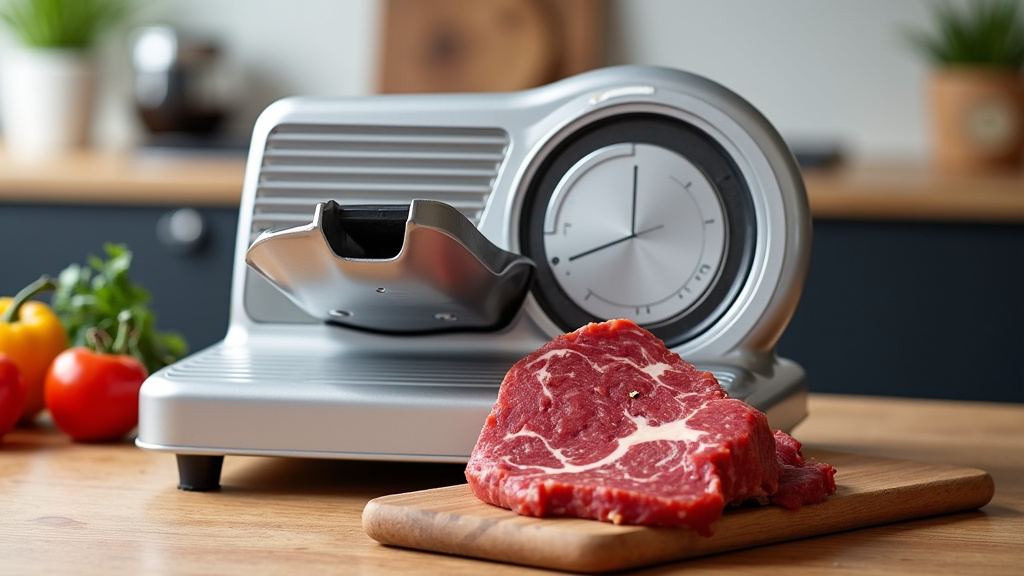
Yes, a meat slicer can be a great tool for home use if you love to cook with thin slices of meat. You can save money by slicing larger cuts yourself. It’s perfect for making your own deli-style sandwiches or preparing meat for recipes. Owning one means having more control over your ingredients.
Many home cooks wonder if they’re too complicated or messy. We found that modern home slicers are designed for ease of use and cleaning. They are much more affordable than commercial models. Think of the convenience for preparing charcuterie boards or even thinly slicing vegetables for stir-fries. It’s a surprisingly versatile kitchen gadget.
- Home slicers are good for specific tasks.
- They let you slice meat thinly for sandwiches.
- You can also use them for vegetables.
- Cleaning is easier than many people think.
- They can be a cost-effective kitchen purchase.
Below, we break down whether a meat slicer is a good fit for your home kitchen and what to look for.
Should You Get a Meat Slicer for Your Kitchen?
We found that for many home cooks, a meat slicer can be a real game-changer. It’s not just for butchers. If you like having thin, even slices of meat for meals or snacks, a slicer is worth considering. It opens up a world of possibilities beyond store-bought deli meats. You get to decide exactly how thin your slices are. This means more control over your food.
Think about it: making your own roast beef for sandwiches. Or slicing a chicken breast to the perfect thickness for stir-fry. It can even help with prepping veggies. We looked into how these machines work and what makes them suitable for your home.
What Can a Meat Slicer Actually Do for You?
A meat slicer’s main job is, well, slicing. But it does it with a precision that knives struggle to match. This is especially true for large cuts of meat. You can get uniform slices every single time. This consistency is great for cooking and presentation.
We found that home models are designed to be user-friendly. They often have safety features to protect your fingers. The blades are typically sharp and durable. This means less effort and more perfect results. You’re essentially getting a tool that makes a specific task much easier.
Deli-Style Meats at Home
One of the biggest draws is making your own deli meats. Buying pre-sliced meats can get expensive. Plus, you often don’t know what additives are in them. With a slicer, you can buy a whole roast and slice it as needed. This is a cost-effective way to enjoy your favorite sandwiches. You control the ingredients and the thickness.
Beyond the Deli Counter: Versatile Slicing
While meat is the star, slicers aren’t limited to just that. We found they are surprisingly good at slicing other foods. Think about firm cheeses for charcuterie boards. Or thinly sliced onions for burgers and sandwiches. You can even use them for vegetables like zucchini or potatoes for gratins. It’s a versatile tool that can serve many purposes in your kitchen.
Imagine slicing tomatoes so thin they almost melt on your sandwich. Or creating paper-thin potato slices for a potato gratin. The possibilities extend beyond what you might initially think.
Are Meat Slicers Difficult to Use?
Many people worry that meat slicers are complicated machines. Like something you’d only find in a professional kitchen. However, we found that home models are designed with the average user in mind. They typically have a simple setup and controls.
You usually adjust a dial to set the desired slice thickness. Then, you guide the food item across the blade. It’s not rocket science. Most users get the hang of it after a few tries. It requires a bit of practice to get perfect slices consistently.
Safety First!
Safety is a big concern with sharp blades. Reputable slicers come with built-in safety features. This often includes a food pusher or guard to keep your fingers away from the blade. Many also have a switch that requires continuous pressure to operate. This ensures the blade only spins when you are actively using it. We found that following the manufacturer’s instructions is key for safe operation.
Always keep the slicer on a stable surface. And never let children operate it. Like any kitchen tool, respect the sharp blade. A little caution goes a long way.
What About Cleaning a Meat Slicer?
This is another common question. Cleaning can seem daunting, especially with a large blade. But we found that most home slicers are designed for easier cleanup than you might expect.
Many have removable blades and food carriage parts. These can often be washed by hand or even in the dishwasher. The main unit usually needs to be wiped down. Always make sure the slicer is unplugged and the blade has stopped completely before cleaning. Safety first, remember?
Tips for Easier Cleaning
Some manufacturers recommend cleaning the slicer immediately after use. This prevents food from drying and sticking. Wiping down surfaces with a damp cloth can make a big difference. For stubborn bits, a soft brush can help. Many experts suggest keeping a dedicated cleaning cloth or sponge for your slicer.
It’s important to dry all parts thoroughly before reassembling. This helps prevent rust. Some models even come with a cleaning tool for the blade. We found that a little routine cleaning makes maintenance much less of a chore.
How to Choose the Right Meat Slicer for Your Home
Not all slicers are created equal. When you’re looking for one, consider a few key things. This will help you find a model that fits your needs and budget.
Blade Size and Material
Blades typically range from 6 to 10 inches in diameter for home use. A larger blade can handle bigger cuts of meat more easily. Most are made of stainless steel, which is durable and rust-resistant. Some blades are serrated, which can be good for bread or tough meats. Others are smooth, better for delicate items like deli meats or cheeses. We found that a good quality stainless steel blade is generally a safe bet.
Motor Power
The motor determines how efficiently the slicer works. For home use, a motor between 100 and 200 watts is usually sufficient. More powerful motors can handle denser foods or longer slicing sessions. If you plan on slicing a lot of tough meats or cheese, look for a higher wattage. For occasional use with softer items, a lower wattage might be fine.
Construction and Stability
Look for a slicer with a sturdy construction. A heavy-duty base and non-slip feet are important. This prevents the slicer from moving around while in use. Many models are made of plastic, but some offer more robust metal components. We found that stability is key for both safety and consistent slicing.
Ease of Cleaning Features
As we discussed, cleaning is a major factor. Check if the blade is removable. See if the food tray and pusher can be detached. Models with fewer nooks and crannies are generally easier to clean. Many reviews mention how easy or difficult a particular model is to clean.
Is It Worth the Investment? A Quick Checklist
To help you decide, ask yourself these questions. They can guide you toward the right choice for your kitchen.
- Do you frequently buy pre-sliced meats from the deli?
- Do you enjoy making your own sandwiches with quality ingredients?
- Are you interested in preparing charcuterie boards with thin-sliced meats and cheeses?
- Do you cook dishes that require thinly sliced vegetables or proteins?
- Are you looking for ways to save money on groceries by preparing foods yourself?
- Do you have the counter space and a bit of time for cleaning?
If you answered yes to most of these, a meat slicer could be a fantastic addition to your kitchen. It’s a tool that can save you money and offer more culinary creativity. We found that for the right person, it’s definitely a worthwhile purchase.
Conclusion
You’ve seen that a meat slicer can be a practical kitchen tool for home cooks. It offers control over your food and can save you money on deli meats. We found that modern home models are designed for ease of use and cleaning, making them less intimidating than you might think. If you enjoy making your own sandwiches, charcuterie boards, or prepping ingredients precisely, a slicer is worth considering. Take a look at blade size, motor power, and cleaning features to find the right one for your kitchen.
Frequently Asked Questions
Can a home meat slicer handle tough meats like beef jerky?
A home meat slicer can slice tougher meats if they are not completely dried out. For very tough or partially frozen meats, a higher wattage motor is recommended. Always ensure the meat is properly chilled for the best results and to protect the blade.
How often do I really need to clean a meat slicer?
It’s best to clean your meat slicer shortly after each use. This prevents food from drying and sticking, making the cleaning process much easier. Prompt cleaning also helps maintain hygiene and prevents any lingering odors.
Are there specific safety tips I should follow when using a slicer?
Always use the food pusher or guard to keep your fingers away from the blade. Ensure the slicer is on a stable surface and unplug it before cleaning. Never allow children to operate the slicer, and always read the manufacturer’s instructions carefully.
What’s the difference between a serrated and a smooth blade on a slicer?
A serrated blade is good for slicing items with a tough exterior and soft interior, like bread or certain cheeses. A smooth blade is better for delicate items such as deli meats and very thin vegetable slices, providing a cleaner cut.
Can I slice frozen meat with a home meat slicer?
It’s generally not recommended to slice fully frozen meat. Most home slicers are designed for chilled, not frozen, products. Partially freezing meat until it’s firm can make slicing easier, but complete freezing can strain the motor and blade.