Meat Slicer Commercial Grade for Home: Broken Down Simply
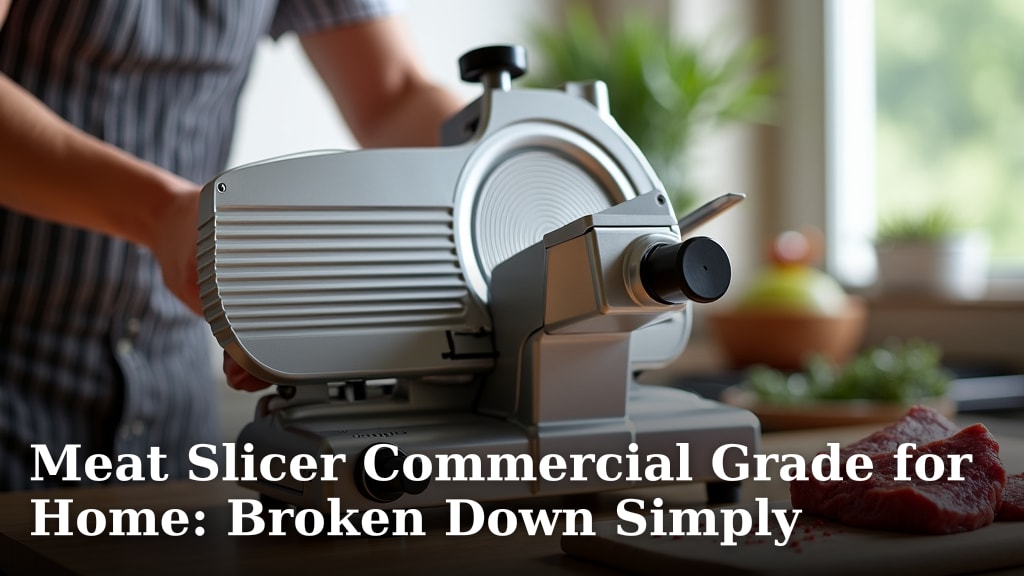
Yes, you can absolutely use a commercial-grade meat slicer at home. Many home cooks find they are perfect for slicing deli meats, cheeses, and even thin cuts of roast beef for sandwiches. They offer much more power and precision than typical kitchen gadgets.
When looking for a home-friendly commercial slicer, focus on models that are designed for ease of use and cleaning. Safety features are also very important. You’ll want a machine that provides a consistent, clean cut every time, saving you money on pre-sliced items.
- Commercial slicers can work well in your kitchen.
- Look for user-friendly and safe models.
- They offer better precision for slicing.
- Save money on deli counter purchases.
- Cleaning is simpler than you might think.
Let’s walk through what makes a commercial slicer a good fit for your home kitchen and what to look for when choosing one.
Bringing Commercial Slicing Power Home
You might be wondering if a commercial meat slicer is really practical for your kitchen. The short answer is yes. Many home cooks find these machines incredibly useful. They offer a way to get perfectly uniform slices of meats and cheeses. This can be a real step up from your knife or a basic food processor.
Why Consider a Commercial Slicer for Your Home?
Think about your favorite deli. You get consistent, thin slices every time. A commercial slicer can do that for you at home. We found that this consistency is key for many recipes. It makes sandwiches look and taste better. Plus, it ensures even cooking for dishes like stir-fries.
You’ll also notice a difference in cost savings. Buying pre-sliced meats and cheeses from the deli can add up. When you buy larger blocks, you often pay less per pound. Then, you can slice them at home whenever you need them. This gives you more control over both cost and portion size. It’s a smart way to manage your grocery budget.
Understanding the Different Types of Slicers
When you look at slicers, you’ll see a few main types. Most home-friendly commercial slicers fall into a few categories. These are usually based on their motor power and blade size. You’ll find models with blades ranging from 7 to 12 inches. Larger blades are generally better for bigger cuts of meat.
Blade Size Matters
For home use, a blade between 8 and 10 inches is often a good starting point. This size can handle most of what you’ll want to slice. Think deli meats, roast beef, and even some firmer cheeses. If you plan on slicing very large roasts frequently, you might consider a slightly larger blade. But for everyday use, 8-10 inches is usually sufficient.
Motor Power and Duty Cycles
Commercial slicers have more powerful motors than typical kitchen appliances. This power is what allows them to slice smoothly through dense foods. You’ll see horsepower ratings, but also look for information on the duty cycle. This tells you how long the machine can run continuously.
For home use, you likely won’t need a slicer with a very long duty cycle. Most home tasks involve slicing for a few minutes at a time. Look for models that can handle 10-15 minutes of continuous use. Many experts suggest this is more than enough for home kitchens. Overheating is not usually a concern for typical home use.
Key Features to Look For
When you’re shopping, certain features make a big difference. Safety is, of course, a top priority. You want a slicer that feels stable and secure when it’s running. Many models come with a suction cup base or rubber feet to prevent slipping.
A blade guard is also essential. This is a protective cover around the blade. It helps prevent accidental contact. Some guards are fixed, while others are removable for cleaning. Look for one that offers good coverage but doesn’t make cleaning too difficult.
Ease of Cleaning and Maintenance
This is a big one for many people. Cleaning a slicer might seem daunting, but many modern commercial-grade models are designed with this in mind. Look for features like:
- Removable blade: This makes deep cleaning much easier.
- Smooth surfaces: Fewer nooks and crannies mean less food gets trapped.
- Included cleaning brush: Some models come with a brush specifically designed for cleaning around the blade.
We found that a little regular cleaning goes a long way. Wiping down the slicer after each use prevents buildup. This keeps it working well and ensures hygiene. Some sources, like food safety guidelines (FDA), recommend thorough cleaning and sanitizing for any food preparation equipment.
Adjustable Thickness Settings
Precise control over slice thickness is one of the main benefits. You want a slicer with a clearly marked, easy-to-adjust knob or lever. This allows you to dial in the exact thickness you need. Whether it’s paper-thin for carpaccio or a bit thicker for a hearty sandwich, you should have control.
Some slicers offer a range from a fraction of a millimeter up to about half an inch. This versatility is fantastic for different culinary needs. You can experiment with slicing fruits and vegetables too. Imagine perfectly uniform zucchini slices for a gratin.
Safety First: What to Know
Using a sharp, spinning blade requires respect. Always read the manufacturer’s instructions thoroughly. We found that understanding the safety features is step one. Always ensure the slicer is on a stable, level surface before you turn it on.
Keep your fingers well away from the blade. Use the food pusher or carriage handle provided. Never try to slice small pieces of food that don’t reach the pusher. These are common sense rules, but they bear repeating when dealing with powerful kitchen equipment. The Cleveland Clinic suggests always keeping sharp knives and blades out of reach of children.
Is a Commercial Slicer Right for Your Kitchen? A Quick Checklist
Before you decide, ask yourself these questions. Does this sound like something you’d use regularly?
- Do you often buy deli meats or cheeses?
- Do you make a lot of sandwiches at home?
- Do you enjoy cooking and want more precision?
- Are you comfortable with basic appliance maintenance?
- Do you have adequate counter or storage space?
If you answered yes to most of these, a commercial-grade slicer could be a great addition. It’s not just about slicing meat; it’s about versatility and quality in your own kitchen.
Comparing Slicer Sizes and Capacities
When thinking about size, consider the largest items you plan to slice. A 7-inch blade might be too small for a large ham. An 8 or 9-inch blade handles most common tasks well.
A 10 or 12-inch blade is for those who regularly process larger cuts. Think about a whole roast or a large wheel of cheese. The carriage size also matters. This is the platform that holds the food. Ensure it’s wide and deep enough for your typical items.
Table: Common Slicer Blade Sizes for Home Use
| Blade Size (Inches) | Typical Home Use Applications | Considerations |
|---|---|---|
| 7-8 | Deli meats, cheeses, small roasts, vegetables | Good for smaller kitchens or lighter use. Might struggle with very large items. |
| 9-10 | Most deli meats, larger roasts, firm cheeses, multiple servings | Excellent all-around size for many home cooks. Versatile and efficient. |
| 12+ | Very large roasts, multiple pounds of meat, professional-style batch slicing | Best for serious enthusiasts or those with specific, large-scale needs. Can be bulkier. |
Making the Most of Your Slicer: Beyond Sandwiches
Don’t limit yourself to just deli meats. A good slicer can open up new possibilities. You can slice vegetables for salads or gratins. Thinly sliced potatoes make for crispy chips. Even fruits can be sliced evenly for desserts or garnishes.
Consider slicing mushrooms for pizzas or onions for French onion soup. The consistent thickness ensures even cooking. This attention to detail can really make your dishes shine. Many chefs and home cooks alike find these tools inspire more creative meal preparation.
Conclusion
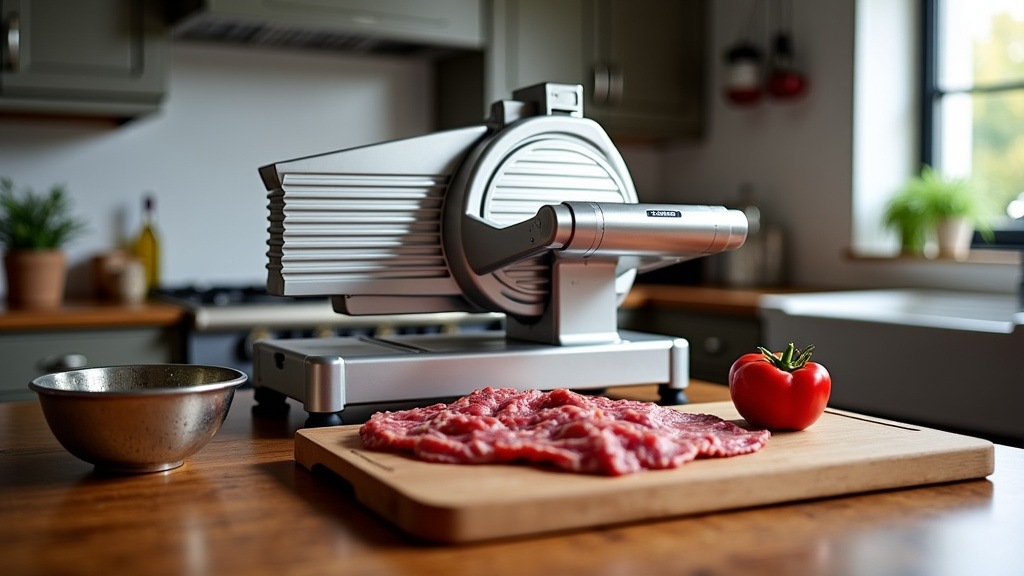
You’ve learned that bringing a commercial-grade meat slicer into your home kitchen is totally achievable. It offers impressive precision for slicing meats, cheeses, and even vegetables. We found that focusing on models with ease of use, safety features, and simple cleaning is key for home cooks. These slicers can save you money and elevate your cooking. Before you buy, consider your typical use and available space. Your next step is to identify a model that fits your needs and budget.
Frequently Asked Questions
Can I really clean a commercial slicer easily at home?
Yes, many modern commercial slicers designed for home use are built with cleaning in mind. Look for models with removable blades, smooth surfaces, and included cleaning brushes. A quick wipe-down after each use prevents buildup and keeps your slicer hygienic and in good working order.
What is a “duty cycle” and do I need a long one?
A duty cycle tells you how long a motor can run continuously before overheating. For typical home use, you probably won’t need a very long duty cycle. Slicing for 10-15 minutes at a time is usually more than enough, and most home-friendly models can handle this easily without issue.
Are commercial slicers safe to use for someone new to them?
Safety is a top concern. Always use your slicer on a stable, level surface and keep your fingers far from the blade. Always use the provided food pusher or carriage handle. Never attempt to slice very small pieces of food that don’t reach the pusher, and always read the manufacturer’s safety instructions.
What’s the difference between a 7-inch and a 10-inch blade?
The blade size determines the size of the food item you can slice. A 7-inch blade is good for smaller items like deli meats and cheeses. A 9 or 10-inch blade offers more versatility, handling larger roasts and multiple servings more effectively. For most home cooks, a 9-10 inch blade is a great all-around choice.
Can I use a meat slicer for more than just meat?
Absolutely! A good slicer is fantastic for many other foods. You can achieve perfectly uniform slices of firm cheeses, fruits, and vegetables. Imagine evenly sliced potatoes for chips, onions for soup, or zucchini for gratins. This consistency can really improve your cooking results.