What Is a Commercial Grade Meat Slicer? A Beginner’s Guide
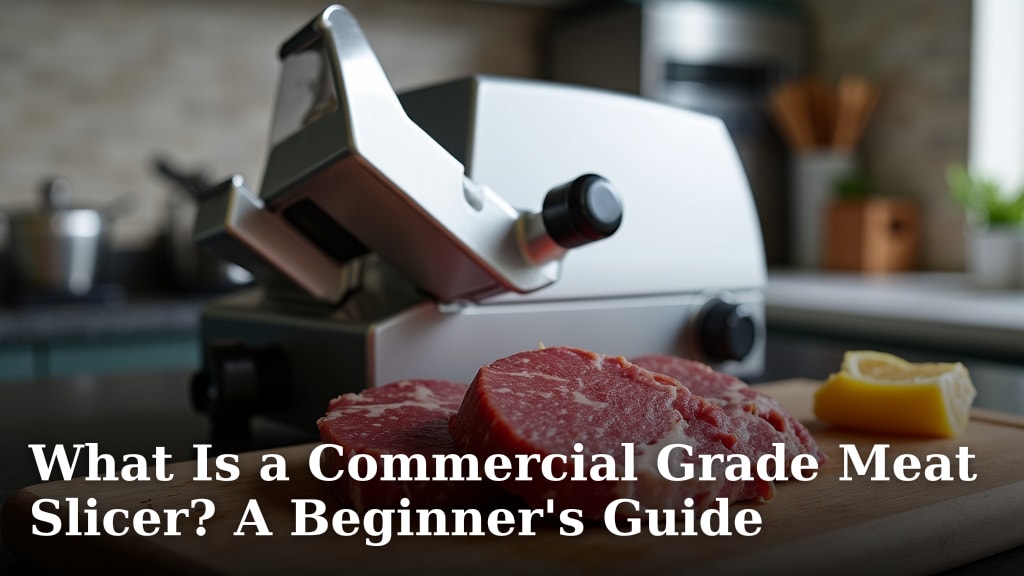
A commercial grade meat slicer is a powerful electric machine designed for consistent, high-volume slicing of meats and cheeses. You’ll find these robust slicers in professional kitchens, butcher shops, and delis. They are built for durability and precision, offering speed and uniformity that manual methods can’t match.
Unlike smaller home models, commercial slicers boast heavy-duty motors and sharper blades. This allows them to handle tough cuts and operate for extended periods without overheating. They are essential tools for businesses that rely on consistent slicing for products like deli meats, roasts, or charcuterie boards, ensuring both efficiency and quality.
- Commercial meat slicers are heavy-duty electric machines for slicing meats and cheeses.
- They are built for professional use, offering speed and consistency.
- Key features include powerful motors and very sharp, durable blades.
- They are ideal for butcher shops, delis, and busy kitchens.
- Commercial models are designed for long-term reliability.
Ready to understand what makes these machines tick? Let’s break down the essentials of a commercial grade meat slicer, so you know what to look for.
Understanding the Power of Commercial Slicers
A commercial grade meat slicer is essentially a heavy-duty electric appliance built for slicing meats and cheeses with impressive speed and uniformity. You’ll find these powerful tools in professional kitchens, butcher shops, and delis. They are designed for A gravity feed meat slicer is a motorized appliance that uses an incline to help food move toward the blade.durability and precision, offering a level of consistency that manual slicing simply cannot match.
What Sets Commercial Slicers Apart?
The biggest difference lies in their construction and motor power. Commercial slicers are built to handle high-volume tasks. This means they have beefier motors that won’t overheat after just a few minutes of use. Think of it like comparing a sports car to a sturdy work truck. Both get you somewhere, but one is built for endurance and heavy loads.
Motor Strength and Durability
Many commercial slicers feature motors ranging from 1/4 to 1/2 horsepower, and sometimes even more for industrial models. This power allows them to glide through dense cuts of meat like roasts or firm cheeses without struggling. The motors are also designed for continuous operation, meaning you can slice for extended periods during a busy service or a big catering event. This is a stark contrast to home models, which often have much smaller motors designed for occasional, light use.
Blade Quality and Sharpness
The blades on commercial slicers are usually made from high-carbon stainless steel. They are exceptionally sharp and often have a hollow ground design, which helps reduce drag and ensures cleaner cuts. Many come with a built-in sharpener to keep them in prime condition. Keeping a blade sharp is not just about efficiency; it’s also about safety. A dull blade can slip, leading to accidents (National Safety Council).
Key Components of a Commercial Meat Slicer
When you look at a commercial slicer, you’ll notice a few key parts that contribute to its performance and ease of use. Understanding these components will help you appreciate what makes these machines so effective.
The Blade
This is the heart of the slicer. Commercial blades are typically 10 to 14 inches in diameter. They are designed for specific tasks, with serrated blades good for bread and crusty items, and smooth blades preferred for meats and cheeses. The material and sharpness are paramount for getting clean, consistent slices every time.
The Motor
As mentioned, the motor is the powerhouse. It drives the blade and is typically located beneath the slicer’s base. You’ll find that commercial motors are engineered for sustained performance, preventing overheating during long work sessions. This is a critical feature for any business that relies on consistent product output.
The Carriage and Food Tray
This is where you place your food. The carriage is the part that slides back and forth, moving the food across the blade. A good carriage moves smoothly and is easy to clean. Many commercial slicers have a built-in food pusher or guard to keep your hands away from the blade. The size of the carriage determines how large a piece of meat or cheese you can slice at once.
The Thickness Adjustment Knob
This knob allows you to control how thick or thin you want your slices. You can often adjust it from paper-thin (for deli meats) to about 1/2 inch thick. Precision here is key for meeting customer expectations and creating appealing presentations for dishes like charcuterie boards or sandwiches.
The Base and Construction
Commercial slicers are built with sturdy materials, often stainless steel or heavy-duty aluminum. This makes them stable and durable. They are heavier than home models, which helps prevent them from moving around on your countertop during operation. Stability is crucial for safe operation. Commercial slicers are heavier than home models, which helps prevent them from moving around on your countertop during operation.
Why Choose a Commercial Grade Slicer?
You might be wondering if a commercial slicer is overkill for your needs. The answer often depends on your usage patterns and your desire for quality and efficiency. Let’s explore the benefits.
Consistency and Uniformity
When you’re preparing food for guests or customers, consistency matters. A commercial slicer ensures that every slice of ham, turkey, or cheese is the same thickness. This uniformity not only looks professional but also affects how evenly food cooks or presents. It takes the guesswork out of slicing.
Speed and Efficiency
Manually slicing large quantities of meat or cheese can be incredibly time-consuming. A commercial slicer can process these items much faster. This is a huge time saver for businesses. Think about how many sandwich orders you could fill in minutes with a good slicer compared to doing it by hand.
Versatility in Food Preparation
While designed for meat, these slicers aren’t limited to just that. You can use them for a variety of foods. Slicing firm cheeses, vegetables like potatoes or cucumbers for salads, or even crusty bread is possible. Their versatility makes them a valuable asset in many culinary settings. Just be sure to clean them thoroughly between different food types to avoid cross-contamination (CDC guidelines recommend thorough cleaning).
Cost Savings Over Time
While the initial investment can be higher, a commercial slicer can save you money in the long run. You can buy larger, more economical cuts of meat and slice them yourself. This is often cheaper than purchasing pre-sliced options, especially in bulk. Plus, you get exactly the thickness you want, reducing waste.
Essential Considerations Before Buying
Selecting the right commercial slicer involves looking beyond just the price tag. You need to consider how you’ll use it and what features are most important for your situation. Here’s a checklist to help you.
- Intended Use: How often will you use it? For what types of food?
- Blade Size: Does it fit the size of the food you typically slice?
- Motor Power: Is it strong enough for dense meats or hard cheeses?
- Ease of Cleaning: This is critical for hygiene and maintenance.
- Safety Features: Look for guards and stable construction.
- Brand Reputation: Some brands are known for reliability and good customer support.
We found that many users prioritize ease of cleaning. This is because proper sanitation is not just a suggestion; it’s a requirement in food service. Food safety regulations are strict for a reason, and a slicer that’s hard to clean can become a breeding ground for bacteria (FDA Food Code).
Blade Type: Smooth vs. Serrated
The type of blade you choose depends on what you plan to slice most often. Smooth blades are generally best for slicing cooked meats like ham, roast beef, and turkey, as well as firm cheeses. They provide clean, precise cuts without tearing the product. Serrated blades, on the other hand, are better for items with a crust or a tougher exterior, such as bread or certain vegetables. They can also handle softer cheeses without squishing them too much.
Maintenance and Cleaning: A Closer Look
Proper maintenance is key to the longevity and safe operation of your commercial slicer. After each use, you should clean all parts that come into contact with food. This typically includes the blade, carriage, food tray, and any guards. Many slicers have removable parts for easier cleaning. Regularly inspecting the blade for nicks or dullness and using the built-in sharpener are also vital steps. We’ve found that a little regular attention goes a long way in keeping your slicer running smoothly and safely.
Conclusion
You now understand what makes a commercial grade meat slicer a powerhouse in professional kitchens. These machines are built for durability and precision, offering speed and consistency that home models can’t match. Features like robust motors, high-quality blades, and sturdy construction are key. Whether you’re a business owner or a serious home cook, choosing the right slicer means considering your specific needs for slicing efficiency and food quality.
Ready to find the perfect slicer for your kitchen? Take a moment to assess your typical slicing tasks and prioritize the features we’ve discussed, like blade size and ease of cleaning. Your next step is to research models that fit your budget and these essential criteria.
Frequently Asked Questions
How much horsepower do commercial meat slicers typically have?
Commercial meat slicers generally range from 1/4 to 1/2 horsepower, with some industrial models offering even more. This motor strength allows them to handle dense meats and hard cheeses smoothly without straining.
Are commercial slicers difficult to clean?
Cleaning is a top priority for commercial slicers, and many are designed with removable parts like the blade and carriage for easier access. While they require thorough cleaning after each use for hygiene, models with smooth surfaces and accessible components make this task manageable.
Can I use a commercial slicer for more than just meat?
Yes, commercial slicers are quite versatile. You can use them for slicing firm cheeses, vegetables like potatoes or onions, and even bread with the right blade. Just be sure to clean the slicer thoroughly between different food types to prevent cross-contamination.
What’s the difference between a smooth blade and a serrated blade on a commercial slicer?
Smooth blades are ideal for clean cuts on cooked meats and firm cheeses, preventing tearing. Serrated blades are better for items with a tough exterior, such as bread or raw vegetables, as they can grip and slice through the surface more easily.
Is a commercial slicer a good investment for a home kitchen?
A commercial slicer can be a great investment for a home kitchen if you frequently slice large quantities of meat or cheese for events, meal prep, or charcuterie boards. For very occasional use, a high-quality home slicer might suffice, but a commercial model offers superior performance and longevity.