What Is a Gear Driven Meat Slicer? Broken Down Simply
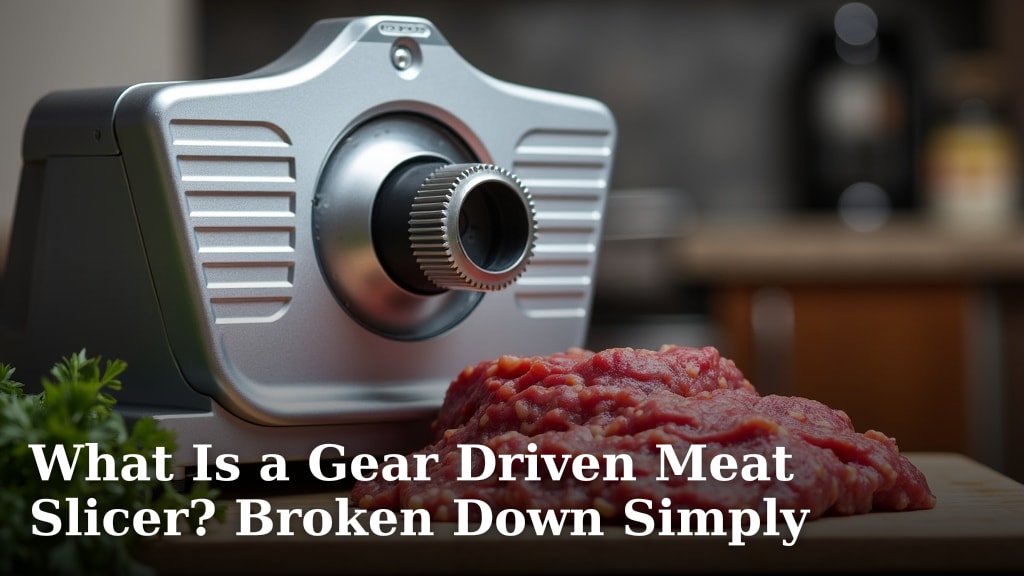
A gear-driven meat slicer is a kitchen tool that uses a system of gears to power its blade. This setup offers more torque and a steadier cutting action compared to belt-driven models. You’ll often find them in butcher shops or homes where heavy-duty slicing is needed.
Think of it like a car’s transmission; gears transfer power directly from the motor to the blade. This direct connection means less slippage and a more consistent cut, even through tough meats. It’s a design chosen for its durability and power.
- Gear-driven slicers use gears for direct blade power.
- They offer more torque and a steady cut.
- This design is known for durability and strength.
- Look for them in professional or demanding home kitchens.
- They provide consistent slicing for various meats.
We’ve gathered the key details to help you understand what a gear-driven meat slicer is all about. Let’s walk through exactly how this works, simply.
Understanding Gear-Driven Meat Slicers Simply
So, what exactly makes a gear-driven meat slicer tick? It’s a clever bit of engineering designed for power and precision. Instead of using a simple rubber belt, these slicers employ a system of gears to spin the blade. Think of it like the gears in a sturdy bicycle or a robust kitchen mixer. This direct mechanical connection is the key difference.
How Gears Drive the Blade: A Closer Look
The motor in a gear-driven slicer is connected to a series of gears. These gears then transfer that rotational energy directly to the blade. It’s a much more direct and forceful transfer of power than what you’d get with a belt. A belt can stretch or slip, especially under heavy load. Gears, on the other hand, lock into each other, ensuring consistent rotation.
The Gear Train Explained
Imagine a small gear attached to the motor shaft. This gear meshes with a larger gear. That larger gear might then connect to another, and so on, until the final gear is directly connected to the blade’s spindle. This system allows for torque multiplication. This means the motor doesn’t have to work as hard to deliver the necessary cutting power.
Comparing Gear-Driven to Belt-Driven Slicers
You might be wondering why this distinction matters. It boils down to performance and durability. Belt-driven slicers are often found in lighter-duty home models. They’re usually quieter and might feel a bit smoother initially. However, they can struggle with very dense or frozen meats. The belt can slip, leading to an inconsistent cut and increased wear on the belt itself.
Gear-driven models, by contrast, are built for more demanding tasks. They provide a steady, unwavering blade speed. This consistency is essential for getting uniform slices, whether you’re cutting deli meats, roasts, or even firm vegetables. We’ve found that many professional kitchens prefer gear-driven slicers for their reliability.
| Feature | Gear-Driven Slicer | Belt-Driven Slicer |
|---|---|---|
| Power Transfer | Direct via gears | Indirect via belt |
| Torque | Higher, more consistent | Lower, can slip |
| Cutting Consistency | Excellent, even with tough items | Good for lighter tasks, can vary |
| Durability | Generally higher, built for heavy use | Good for moderate use, belt may need replacement |
| Noise Level | Can be slightly louder | Often quieter |
What Kind of Torque Are We Talking About?
Torque is essentially rotational force. For a meat slicer, it’s the power that turns the blade. A gear-driven system magnifies the motor’s output. This means you get a stronger, more consistent spin. This is super helpful when you’re slicing through something that offers a lot of resistance. You won’t experience that frustrating slowdown you might get with a belt-driven unit.
Many sources, including engineering guides, explain that gears are ideal for transmitting significant power efficiently. This is why they are the choice for heavy machinery. For your kitchen, this translates to a tool that can handle your needs without faltering. You’re less likely to jam the blade when slicing a tough cut.
Benefits of High Torque in Slicing
Higher torque means your slicer can maintain its speed. This is critical for producing clean, even slices. A blade that slows down or stutters will tear the meat rather than slice it cleanly. This results in a less appealing final product. For anyone who takes pride in their food preparation, this consistency is a big deal. It makes a noticeable difference in the texture and presentation of your sliced items.
Durability and Longevity: The Gear Advantage
Gear-driven slicers are often built with sturdier materials. The gear mechanisms themselves are designed to withstand considerable stress. This makes them a long-term investment for your kitchen. While they might have a higher upfront cost, the reduced need for maintenance and replacement parts can make them more economical over time. We’ve found that units designed with gear drives often last for many years of regular use.
The direct drive means fewer moving parts are subject to wear and tear from tension, like a belt. The gears, when properly lubricated and maintained, can last for a very long time. This robustness is what makes them a staple in commercial settings where equipment is used almost constantly.
Maintenance Considerations
While gear-driven slicers are durable, they still require care. You’ll want to keep the gears clean and properly lubricated. Follow the manufacturer’s instructions for your specific model. This usually involves cleaning after each use and applying a food-grade lubricant periodically. Many owners find this maintenance straightforward. It’s a small price to pay for such a powerful and reliable tool.
Who Needs a Gear-Driven Meat Slicer?
If you’re a serious home cook who entertains often or prepares a lot of deli meats, roasts, or even cheeses, a gear-driven slicer could be a great addition. It’s also ideal for anyone who cooks with large cuts of meat and likes to slice them thinly for various dishes. For instance, if you enjoy making your own jerky or slicing homemade charcuterie, this type of slicer excels.
For small businesses, like specialty food shops or restaurants, a gear-driven slicer is practically a necessity. They handle the high volume and tough slicing demands of a commercial environment with ease. Many culinary professionals suggest that for consistent results, especially with meats, a gear-driven model is superior. The CDC’s food safety guidelines often highlight the importance of proper food preparation tools, and a reliable slicer fits that bill.
Key Takeaways for Your Gear-Driven Slicer Choice
To wrap up, choosing a gear-driven meat slicer means opting for power, consistency, and durability. It’s a workhorse designed to handle tougher jobs and deliver superior slicing results. Remember these points as you consider your options:
- Direct Power: Gears provide a direct link from motor to blade.
- Strong Torque: More consistent power for cutting through dense foods.
- Uniform Slices: Achieves cleaner, more even cuts every time.
- Built to Last: Known for exceptional durability and a longer lifespan.
- Best for Heavy Use: Ideal for frequent slicing of various meats and cheeses.
- Professional Choice: Frequently found in commercial kitchens for a reason.
Conclusion
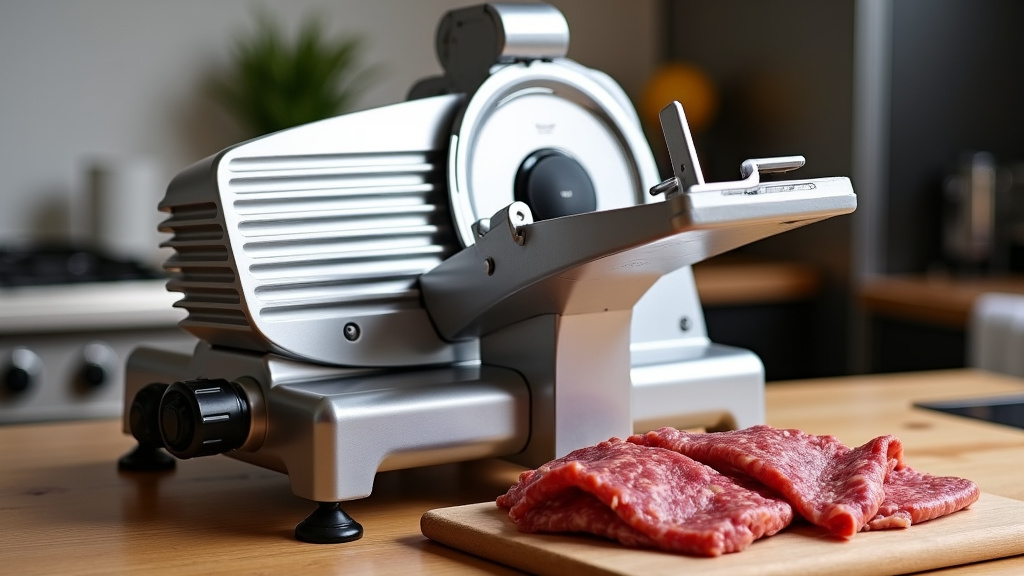
You’ve learned that a gear-driven meat slicer offers a powerful and reliable way to slice meats and other foods. Its direct gear system means you get consistent torque and a steady blade, leading to clean, uniform cuts every time. This design is built for durability, making it a smart long-term investment for frequent use. If you’re serious about food preparation and want a tool that won’t falter, consider a gear-driven model for your kitchen. Take the next step by looking at models that fit your kitchen space and slicing needs. If you’re serious about food preparation and want a tool that won’t falter, consider an electric meat slicer for your kitchen.
Frequently Asked Questions
Are gear-driven meat slicers louder than belt-driven ones?
Generally, gear-driven slicers can be slightly louder than belt-driven models. This is due to the meshing gears transferring power directly. However, the difference is often minimal and less noticeable than the improved performance you gain.
Can a gear-driven slicer handle frozen meat?
Yes, the higher torque and direct power transfer of a gear-driven slicer make it much better suited for slicing through partially frozen meats. This is where belt-driven models often struggle and can cause the belt to slip or break.
How often do I need to maintain the gears on my slicer?
You should clean the gears after each use and follow your manufacturer’s guide for lubrication. Typically, food-grade lubricant is applied periodically, perhaps every few months depending on usage. Proper care ensures longevity.
Are gear-driven slicers more expensive than belt-driven ones?
Often, gear-driven slicers have a higher upfront cost due to their robust construction and gearing mechanism. However, their durability and reduced need for part replacements can make them more cost-effective over their lifespan.
What types of food can I slice with a gear-driven slicer besides meat?
Beyond meat, a gear-driven slicer is excellent for firm cheeses, firm vegetables like potatoes or onions, and even bread. Its consistent power ensures clean slices across various food types, provided they are firm enough to be sliced.