How to Sharpen a Cabela's Meat Slicer
Use the slicer's built-in sharpener only if your Cabela's model has one and its manual permits it. Unplug the slicer before cleaning or inspecting the blade, then follow the model-specific instructions for sharpening.
On this page (8 sections)
- How do you sharpen a Cabela's meat slicer?
- What should you check before sharpening?
- What is the safe sharpening sequence?
- Should you use a handheld sharpener on the slicer blade?
- What if your Cabela's slicer has no built-in sharpener?
- How do you maintain the blade between sharpening?
- What mistakes should you avoid?
- Which sharpening option should you choose?
Use the built-in sharpener only if your Cabela's meat slicer has one and its manual gives a sharpening procedure. Unplug the slicer before cleaning or inspecting the blade, and follow the instructions for your exact model.
Cabela's slicers can differ in their blade assemblies and sharpening controls. Check the model number and manual first, then identify whether the sharpener is built in or whether the manufacturer recommends a service method.
How do you sharpen a Cabela's meat slicer?
Use the slicer's approved sharpening system, following its manual step by step. The manual should explain how to position the blade and sharpener, which controls to use, and how long to sharpen.
Before starting, switch the slicer off and unplug it. Move the thickness control to zero, then clean the blade and nearby parts as the manual directs; food residue can interfere with sharpening.
If the manual calls for a removable sharpener assembly, install it only in the stated position. Keep fingers away from the blade edge, and don't try to improvise with a handheld knife sharpener.
Sharpen for only the time and number of passes specified in the instructions. Excess sharpening can wear the blade, while a blade that remains dull may need service or replacement.
For a general overview of how to sharpen a meat slicer blade, see the steps and safety considerations that apply across slicer types.
What should you check before sharpening?
Confirm the model, blade type, and sharpener instructions before touching the blade. Use the model number on the appliance to find the matching manual, since a procedure for another slicer may not fit yours.
Check that the blade is clean and free of visible damage. A chipped, bent, or loose blade should not be sharpened as if it were merely dull; stop and contact the manufacturer or a qualified repair service.
Look for a sharpener assembly, stones, or controls only where the manual says they should be. Don't force a part into place or turn a control that isn't identified in your instructions.
A smooth cut depends on the blade type, too. If you are unsure what is installed, review what types of meat slicer blades are there before choosing a sharpening method.
How can you tell the blade needs sharpening?
A blade may need attention when clean, properly chilled food tears or drags instead of slicing smoothly. Check that the carriage, thickness setting, and food are being used as the manual recommends before deciding the edge is dull.
Don't judge sharpness by touching the edge. Keep hands clear and use a controlled test with food only after the machine is reassembled and the safety guards are in place.
What is the safe sharpening sequence?
Unplug, clean, install the approved sharpener, sharpen as directed, then clean again. Keep the guard and carriage in place whenever the manual requires them.
- Turn the slicer off, unplug it, and set the thickness control to zero.
- Remove food and clean the blade and sharpener parts as instructed.
- Position the sharpener exactly as the model manual shows.
- Sharpen for the stated interval without touching the blade.
- Unplug again if needed, remove the sharpener, and clean away metal or stone residue.
- Reassemble the guards and parts, then check that the blade turns freely as directed.
Keep the work area dry and stable. Never sharpen while the slicer is plugged in unless the manual's specific procedure requires power for the sharpening action; in that case, follow its precautions exactly and keep hands clear.
After sharpening, wash and sanitize food-contact parts according to the manual. Don't slice food until all components are securely reinstalled.
Should you use a handheld sharpener on the slicer blade?
A handheld knife sharpener is not a substitute for the Cabela's slicer's sharpening setup. Its slot or carbide edges are intended for knives, and dragging it over a mounted round blade can create an unsafe contact angle.
The AccuSharp Hand-Held Carbide Blade Sharpener is described for straight and serrated knives, including chef's knives and cleavers. That makes it a possible tool for separate kitchen knives, not for sharpening a mounted slicer blade.
Use it on a knife only as its instructions direct, with the knife removed from the slicer area. Keep it stored away from the blade and unplugged appliance during slicer maintenance.
The combo that includes ShearSharp is also designed for knives and general-purpose scissors. It doesn't change the need to use a model-approved process on the slicer blade.
For more on why a knife tool may not fit the blade geometry, compare how to sharpen a serrated meat slicer blade and how to sharpen a meat slicer blade by hand. Those methods still depend on blade design and manufacturer guidance.
What if your Cabela's slicer has no built-in sharpener?
Don't improvise a sharpening rig if your model lacks a built-in sharpener. Check the manual for replacement parts, service guidance, or a recommended sharpening service.
A slicer blade is larger and mounted differently from a kitchen knife. Removing it can expose a sharp edge and may require specific tools, so leave removal to a qualified service provider unless the manual gives a clear owner procedure.
If the blade is badly worn, damaged, or still produces rough slices after the approved sharpening steps, ask Cabela's or the appliance's manufacturer about a replacement blade. Match the part to the exact model before ordering.
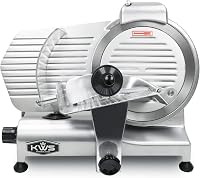
For a slicer with an integrated sharpener, the KWS KitchenWare Station 10NS is an example of a different machine with built-in dual whetstones. Its 10-inch stainless steel blade and built-in sharpener make it relevant to buyers comparing slicer designs, though it is not a Cabela's replacement part.
How do you maintain the blade between sharpening?
Clean and dry the blade after each use, then store the slicer with its guard in place. Follow the manual's cleaning steps and avoid abrasive tools that can damage the blade or nearby parts.
Unplug the machine before cleaning or removing parts. Use only the approved method for taking off the blade cover or carriage, and keep the blade edge pointed away from your hands.
Dry every part fully before reassembly. Check that the guard, blade cover, and carriage are secure before using the slicer again.
Use the sharpener only when the cut quality indicates it is needed and the manual allows it. Routine cleaning helps keep residue from affecting the cut, but it does not replace sharpening when the edge has dulled.
What mistakes should you avoid?
Don't sharpen by guesswork, touch the edge, or use a knife sharpener on the mounted blade. These shortcuts can damage the blade or expose your hands to a sharp moving part.
Avoid sharpening a blade with chips or other visible damage. Don't force a sharpener into place, use an unapproved lubricant, or leave metal residue on the blade before slicing.
Never clean, adjust, or remove parts while the slicer is plugged in. After maintenance, restore every guard and confirm the blade and carriage are secure before reconnecting power.
Which sharpening option should you choose?
For a Cabela's slicer, start with its model manual and use only the sharpening procedure it approves. If the machine has a built-in sharpener, follow those steps; if it doesn't, seek manufacturer guidance or service.
Choose a handheld AccuSharp for separate kitchen knives when its instructions suit that knife. Choose the KWS slicer only if you are comparing a different machine with an integrated sharpener.
For more blade guidance, use bread slicer blade sharpening for bread-specific equipment. Check how many blades come with a meat slicer if you are comparing included or replacement blades.
Frequently asked questions
Can I sharpen a Cabela's meat slicer blade with its built-in sharpener?
Only if your specific slicer has a built-in sharpener and its manual explains how to use it. Unplug the slicer before handling the blade, clean the blade and sharpening stones as directed, and follow the stated sharpening sequence.
Models differ, so don't assume a control or procedure applies to every Cabela's slicer.
How often should I sharpen a meat slicer blade?
Sharpen when the blade no longer slices cleanly and the manual's procedure is appropriate, rather than on a fixed schedule. Blade wear depends on use and the foods sliced.
Clean and dry the blade after use, and stop if sharpening doesn't restore a smooth cut or you see damage.
Can I use a handheld knife sharpener on a meat slicer?
Don't draw a handheld sharpener across a mounted slicer blade. A round slicer blade has a different shape and sharpening setup than a kitchen knife.
Use the slicer's approved sharpener or a service method recommended by its manufacturer, with the machine unplugged and the blade secured as directed.
Should a meat slicer blade be wet or dry while sharpening?
Follow the manual for your exact slicer and sharpener. It should specify how the blade and sharpening stones are prepared, whether any moisture is needed, and how to clean them afterward.
Don't add oil, water, or another lubricant unless the instructions call for it.