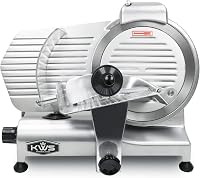
How to Sharpen a Meat Slicer Blade by Hand
Sharpen a meat slicer blade by hand only if its manual allows it. Unplug the slicer, remove the blade if the maker instructs you to, and use a compatible sharpening stone with controlled strokes.
On this page (9 sections)
- Can you sharpen a meat slicer blade by hand?
- What should you check before sharpening by hand?
- How do you sharpen a meat slicer blade by hand?
- What tools are appropriate for hand sharpening?
- Why shouldn't you pull a slicer blade through a knife sharpener?
- Does a slicer with a built-in sharpener need hand sharpening?
- How do you know when to stop sharpening?
- What should you do after sharpening?
- Which hand-sharpening approach should you choose?
Sharpen a meat slicer blade by hand only if its manual allows it. Unplug the slicer, secure the blade as directed, and use the specified sharpening stone and technique; stop if you can't hold the blade safely or identify the correct edge angle.
Hand sharpening can suit a slicer without an integrated sharpening assembly, but the blade is large, sharp, and fixed to a powered machine. Start with the model's instructions, not a general kitchen knife method.
Can you sharpen a meat slicer blade by hand?
You can sharpen some slicer blades by hand when the manufacturer approves a manual method. The right tool and motion depend on the blade design, edge angle, and whether it is removable.
A round slicer blade is not the same as a chef's knife. Don't run it through a small pull-through sharpener or improvise with a handheld tool unless the manual specifically permits it.
If you need a broader overview of the process, see how to sharpen a meat slicer blade. For a model with a built-in sharpener, use its instructions instead of treating it like a hand-sharpening job.
What should you check before sharpening by hand?
Check the manual for the approved tool, blade-removal steps, and sharpening direction. If the instructions aren't available, look up the exact model through the manufacturer's support channel before touching the edge.
Unplug the slicer and keep the plug in view while you work. Switches can be bumped, and a motor must not start while your hands are near the blade.
Remove food residue and grease according to the care instructions. A clean blade makes it easier to inspect the edge and reduces the chance that debris interferes with a stone.
Wear a cut-resistant glove if the manual allows one, but don't treat a glove as protection from the blade. Keep fingers behind the edge and use a stable work surface.
What if the blade is serrated?
Use a sharpening method made for the blade's serrations, if the maker approves one. A flat stone can contact only the high points and alter the tooth shape.
Don't use a smooth-blade technique on a serrated edge. Read how to sharpen a serrated meat slicer blade before choosing a tool or motion.
How do you sharpen a meat slicer blade by hand?
Use the maker's specified stone and keep each stroke controlled and consistent. If the manual does not give a hand-sharpening method, stop and ask the manufacturer or a qualified service provider.
- Unplug the slicer and prepare a clean, well-lit work area.
- Remove or expose the blade only as the manual directs.
- Secure the blade so it cannot shift or rotate unexpectedly.
- Hold the stone at the instructed angle and move it along the edge as specified.
- Use light, even pressure and inspect the edge regularly.
- Clean away metal residue, dry the blade, and reassemble the slicer as instructed.
Don't guess at an angle or use force to compensate for a poor cut. If the blade has nicks, bends, corrosion, or uneven wear, professional service may be safer than hand sharpening.
What tools are appropriate for hand sharpening?
A sharpening stone is appropriate only when the slicer's maker specifies or approves it. The stone's shape and grit need to fit the blade and the maker's method.
A handheld sharpener is designed for particular knife edges, and compatibility with a meat slicer blade isn't guaranteed. The AccuSharp Hand-Held Carbide Blade Sharpener is described for straight and serrated knives, but its general knife use does not mean it suits a circular slicer blade.
Skip it for the slicer blade unless the manual explicitly approves that type of sharpener. You can use it for compatible kitchen knives, with the included finger guard and the tool's own instructions.
The AccuSharp Hand-Held Carbide Blade Sharpener & ShearSharp also targets knives and general-purpose scissors. Its knife-sharpening claims don't make it a substitute for a slicer-specific stone or sharpening assembly.
For blade shape differences, see what types of meat slicer blades are there? The basics.
The edge style can change which sharpening method is safe.
Why shouldn't you pull a slicer blade through a knife sharpener?
A small pull-through sharpener may not fit the blade's size, mount, or edge geometry. Forcing a large blade into a compact tool can put your hands close to the edge and remove metal unevenly.
The AccuSharp tools are described for knife edges, including straight and serrated knives. That does not confirm compatibility with a slicer's circular blade or its required angle.
Use a slicer-specific sharpening stone or assembly when the manual calls for one. If you're not sure, ask the manufacturer whether a particular tool is approved for your model.
Does a slicer with a built-in sharpener need hand sharpening?
Usually, follow the built-in sharpener's instructions for a slicer designed with one. The assembly is intended to work with that blade and machine, while hand sharpening may use a different method.
For example, the KWS KitchenWare Station 10NS has a built-in dual whetstones sharpener. Its 10-inch stainless steel blade and sharpening assembly make it a fit for readers seeking a slicer with an integrated touch-up option.
Follow the slicer's manual for positioning, sharpening, cleaning, and safety. Don't run the sharpener while the slicer is unplugged or assembled in a way the instructions prohibit.
If you're considering a specific Cabela's model, see how to sharpen a Cabela's meat slicer. Its instructions may differ from other slicer designs.
How do you know when to stop sharpening?
Stop when you can't keep the blade stable, maintain the specified angle, or see a consistent edge. A damaged blade or unclear instructions calls for maker support or professional service.
Sharpening removes material, so repeated passes can shorten blade life. Don't keep grinding just because the edge still looks dull after a few strokes.
After sharpening, clean the blade and nearby parts as the manual directs. Reassemble every guard and cover before reconnecting power, then make a cautious test cut using the slicer's operating instructions.
What should you do after sharpening?
Clean and dry the blade, reinstall all guards, and confirm the slicer is assembled correctly before use. Keep the machine unplugged during cleanup and reassembly.
A dull edge can also come from residue, incorrect blade installation, or a food item that is too hard or frozen for the slicer's instructions. Check the manual before sharpening again.
For other blade-related questions, see how many blades come with a meat slicer? A handy guide.
If you're exploring bread attachments, bread slicer blade sharpening covers that separate use.
Which hand-sharpening approach should you choose?
If the manual gives a hand-sharpening method, use its stone, angle, and steps exactly. If it doesn't, contact the maker or use a compatible integrated sharpener as directed.
Choose a slicer with a built-in assembly, such as the KWS 10NS, if you want an integrated touch-up option. Choose a hand-held AccuSharp for compatible kitchen knives, not for a slicer blade without explicit approval.
When you need the general process, start with how to sharpen a meat slicer blade, then follow the instructions for your exact blade style and model.
Frequently asked questions
Can you sharpen a meat slicer blade by hand?
Yes, if the slicer's manual permits manual sharpening and you can secure the blade as directed. Unplug the machine, use the specified stone and angle, and keep your hands clear of the edge.
If the blade is serrated, damaged, or difficult to remove, follow the maker's service instructions instead.
Can I use a handheld knife sharpener on a meat slicer blade?
Don't assume a handheld sharpener suits a slicer blade. Its shape, edge angle, and size may not match the tool, and pulling a large circular blade through a small sharpener can be unsafe.
Check the slicer's manual and use only a method approved for that model.
How often should a meat slicer blade be sharpened?
Sharpen when the blade no longer cuts cleanly despite proper cleaning and setup, or at the interval stated in the manual. Frequent sharpening removes metal, so avoid sharpening on a fixed schedule unless the maker recommends it.
Clean and dry the blade after use to help maintain its edge.
Should you sharpen a serrated meat slicer blade by hand?
Only use a method intended for that blade's serrations and approved by the slicer maker. A flat stone or pull-through sharpener can remove material unevenly from the teeth.
See the guide to how to sharpen a serrated meat slicer blade for the special considerations.